

Acrylic On Canvas.

§ 1Catalogue data


Ovo umetničko delo je zaštićeno autorskim pravima
Umetničko delo prikazano na ovoj stranici zaštićeno je autorskim pravima, što znači da zakonski nismo u mogućnosti da kreiramo niti prodajemo identičnu reprodukciju. Ova zaštita se sprovodi u skladu sa međunarodnim sporazumima kao što su Bernska konvencija i nacionalnim zakonima, uključujući i one koji su definisani u Američki zakon o autorskom pravu – Naslov 17.
Kao poštovana i legalna alternativa, nudimo prilagođene, ručno oslikane umetničke radove inspirisane originalom. Naši stručni i profesionalni umetnici pažljivo proučavaju stil, ambijent i umetničku suštinu originala kako bi kreirali novo, unikatno delo koje budi istu emociju – ostajući pritom potpuno autentično stvaranje.
Ovaj metod je u potpunosti usklađen sa regulativama o autorskim pravima jer ne podrazumeva kopiranje ili dupliranje zaštićenih umetničkih dela. Umesto toga, reč je o kreativnoj reinterpretaciji – novom slikarskom delu koje je inspirisano originalom, ali nije identično njemu.
 Pročitajte više
§ 2Abstract
Opis predmeta
Biografija umetnika
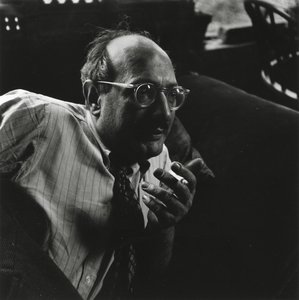
Mark Rothko je bio američki umetnik koji je poznat po svojim velikim bojnim poljima – monumentalnim slikama koje su osvojile gledaoce intenzivnom emocionalnom snagom. Najvažnije njegove slike uključuju "No. 10 (1950)", Seagram Murale i Rothko Chapel, koje su revolucionisale umetnost druge polovine veka i ostavio nezaboravno mesto u istoriji moderne umetnosti.
§ 3Commentary
Mark Rothko: A Life in Color
Mark Rothko (1903-1970) was an American abstract painter, renowned for his monumental color field paintings that profoundly influenced the course of modern art. His distinctive style—characterized by large rectangular blocks of saturated color—captured the essence of existential contemplation and continues to resonate with audiences worldwide. Born Marcus Yakovlevich Rothkowitz in Dvinsk (now Daugavpils), Latvia, he immigrated to the United States in 1913 alongside his family, establishing a foothold in Portland, Oregon. This formative experience instilled in him a deep appreciation for intellectual discourse and shaped his worldview—a legacy that extended throughout his artistic career. Early exposure to Marxist thought through his father fueled his conviction that art should serve as a conduit for conveying universal human emotions. Rothko’s artistic journey began with figurative painting during the 1920s, depicting urban landscapes and portraits. He pursued formal studies at Yale University but left before graduating to dedicate himself fully to artistic exploration. The 1940s witnessed a pivotal shift as he experimented with mythological themes and Surrealism—responses to the anxieties of World War II—demonstrating his willingness to engage with diverse artistic traditions. However, it was in late 1947 that Rothko embarked on his groundbreaking foray into Color Field painting, marking the genesis of his iconic style. This movement championed the use of color as a primary expressive medium, prioritizing emotional impact over representational accuracy.- Color Field Painting: Embracing simplicity and luminosity, Color Field painters like Rothko sought to evoke profound feelings through expansive areas of pigment—often devoid of discernible form or detail.
- Influence of Nietzsche: Rothko’s philosophical leanings were deeply rooted in the writings of Friedrich Nietzsche, who championed the idea that art should transcend rational thought and tap into primal instincts.
- Early Works (1920s-1940s): Rothko's initial paintings explored themes of urban life and mythology, reflecting his engagement with intellectual currents of the time.
- Rothko Chapel: Rothko’s contribution to the Rothko Chapel in Houston, Texas—featuring fourteen canvases arranged in a deliberate sequence—represents his most ambitious artistic endeavor and remains a pilgrimage site for admirers of Color Field painting.
- Palette Selection: Rothko's careful selection of pigments—particularly lithol red—demonstrated an unwavering commitment to achieving maximum luminosity and tonal depth.
- Compositional Innovation: The horizontal arrangement of color blocks—a stylistic hallmark—created a sense of stillness and serenity, inviting viewers into a meditative state.
Pitanja i odgovori
Iz kog je doba "Maroon and Orange"?
"Maroon and Orange" pripada periodu Modern.
Da li je "Maroon and Orange" slobodan od autorskih prava?
Status autorskih prava za „Maroon and Orange”, autor Марк Ротко: delo je i dalje je zaštićeno autorskim pravima. Ovo određuje da li se reprodukcije slike mogu slobodno izrađivati.
Kakav osećaj izazivaju boje dela „Maroon and Orange”, autor Марк Ротко?
U delu "Maroon and Orange", boje Dark prate Reflective osećaj.


 Pređi na štampu


 Za umetnička dela ili reprodukcije čija je bilo koja strana veća od 105 cm (približno 41 inč), okvir će biti isporučen u obliku rastavljenog seta za sklapanje. Ovaj metod osigurava bezbednu dostavu i sprečava oštećenja tokom transporta.


