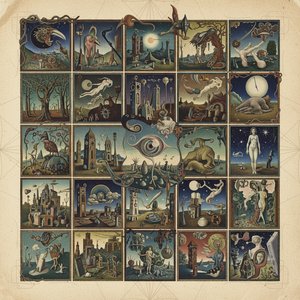
1940. Acrylic On Canvas, 36.0 x 28.0 cm.

§ 1Catalogue data
 Acrylic On Canvas
- WallArt
- Surrealism
 1940
1940- Modern
 36.0 x 28.0 cm
Ovo umetničko delo je zaštićeno autorskim pravima
Umetničko delo prikazano na ovoj stranici zaštićeno je autorskim pravima, što znači da zakonski nismo u mogućnosti da kreiramo niti prodajemo identičnu reprodukciju. Ova zaštita se sprovodi u skladu sa međunarodnim sporazumima kao što su Bernska konvencija i nacionalnim zakonima, uključujući i one koji su definisani u Američki zakon o autorskom pravu – Naslov 17.
Kao poštovana i legalna alternativa, nudimo prilagođene, ručno oslikane umetničke radove inspirisane originalom. Naši stručni i profesionalni umetnici pažljivo proučavaju stil, ambijent i umetničku suštinu originala kako bi kreirali novo, unikatno delo koje budi istu emociju – ostajući pritom potpuno autentično stvaranje.
Ovaj metod je u potpunosti usklađen sa regulativama o autorskim pravima jer ne podrazumeva kopiranje ili dupliranje zaštićenih umetničkih dela. Umesto toga, reč je o kreativnoj reinterpretaciji – novom slikarskom delu koje je inspirisano originalom, ali nije identično njemu.
 Pročitajte više
§ 2Abstract
Opis predmeta
Biografija umetnika
Otkrijte svet Maks Ernsta (1891-1976), pionira Dadaizma i nadrealizma! Istražite njegove inovativne tehnike kao što su frotaža i kolaž, i snovidžene slike sa pticama, pejzažima i psihološkim temama. Ključni umetnik 20. veka!
§ 3Commentary
A Dance Between Chance and Vision: Exploring Max Ernst’s “Abstract Composition”
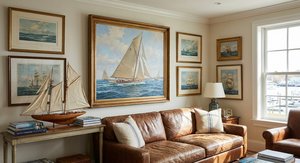
Max Ernst's "Abstract Composition," painted in 1940, stands as a testament to the radical experimentation that defined his artistic career—a cornerstone of Dada and Surrealism. Born Maximilian Maria Ernst on April 1st, 1891, in Brühl, Germany, he defied conventional academic paths, forging instead a singular path fueled by philosophical contemplation and an unwavering fascination with the subconscious mind. His father’s role as a teacher of the deaf instilled within him not only sensitivity to auditory perception but also a rebellious spirit against societal constraints—a duality that would permeate his artistic endeavors. Ernst's intellectual grounding extended far beyond mere visual aesthetics; he pursued degrees in philosophy, art history, literature, psychology, and psychiatry at Bonn University. This multifaceted approach wasn’t simply about mastering artistic skills; it was about interrogating the very nature of creativity itself—asking “Why?” He sought to understand the psychological forces shaping artistic expression, mirroring his broader philosophical inquiries into existentialism and the human condition. The painting's visual language is strikingly simple yet profoundly complex. Two sailboats glide across a serene expanse of blue water, their trajectories subtly converging – an image imbued with quiet contemplation and hinting at interconnectedness. Scattered throughout the canvas are birds—symbols often associated with freedom, aspiration, and spiritual transcendence—adding a layer of dynamism to the tranquil scene. However, it’s Ernst's groundbreaking technique that truly elevates “Abstract Composition.” He employed grattage, a method pioneered by Ernst himself, wherein he meticulously covered the canvas with pigment and subsequently scraped away portions using a palette knife. This process revealed underlying impressions created by objects positioned beneath the initial layer of paint—a deliberate embrace of chance and spontaneity championed by Dada and Surrealist artists. Further manipulation involved utilizing a painter’s comb to disrupt earlier paint strata, exposing hidden textures and patterns. Finally, Ernst stamped new motifs onto the dried surface, continuing his exploration of layering and transformation. This meticulous process underscores Ernst's commitment to disrupting traditional artistic conventions and delving into the realm of unconscious imagery. The clock in the upper left corner serves as a subtle focal point—perhaps representing time’s relentless march or symbolizing the artist’s deliberate control over the creative process. “Abstract Composition” embodies the spirit of Surrealism, prioritizing dreamlike imagery and irrational juxtapositions to provoke thought and challenge perceptions. It's more than just a depiction of sailboats; it’s an invitation to consider themes of movement, harmony, and hidden depths—a captivating piece for collectors seeking artwork that transcends literal representation. Consider commissioning a high-quality reproduction to bring Ernst’s visionary aesthetic into your home or studio.- Artist: Max Ernst
- Year Painted: 1940
- Medium: Acrylic on Canvas
- Dimensions: 36 x 28 cm
Pitanja i odgovori
Da li je dostupno preuzimanje "Abstract Composition" u visokoj rezoluciji?
Da biste dobili digitalnu verziju dela „Abstract Composition”, autor Макс Ернст, poručite je putem preuzimanje digitalne slike visoke rezolucije na stranici Digitalna slika u visokoj rezoluciji.
Šta prikazuje „Abstract Composition”, autor Макс Ернст?
Teme prisutne u delu „Abstract Composition”, autor Макс Ернст obuhvataju sailboats, birds, clock, texture, chance, abstraction, palette knife, što zajedno sažima suštinu ovog umetničkog dela.
Gde se mogu kupiti ručno oslikane kopije dela „Abstract Composition”, autor Макс Ернст?
Ručno oslikane kopije dela „Abstract Composition”, autor Макс Ернст mogu se kupiti na stranici ovaj sajt: ručno oslikana uljana reprodukcija na lanenom platnu, putem njihove stranice za naručivanje reprodukcija Ručno oslikana reprodukcija ulja na platnu.



 Pređi na štampu


 Za umetnička dela ili reprodukcije čija je bilo koja strana veća od 105 cm (približno 41 inč), okvir će biti isporučen u obliku rastavljenog seta za sklapanje. Ovaj metod osigurava bezbednu dostavu i sprečava oštećenja tokom transporta.