


 Pregledaj u prostoru
 Pošalji
 Podeli
 Detalji o delu

 Преузми
 Slični predmeti
 Rendgenski snimak
 Slajdovi
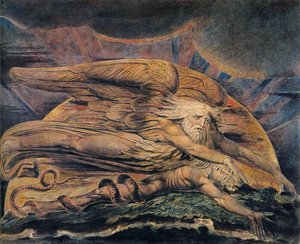
Sleeping Boy
 1992
1992 48.0 x 52.0 cm
 Pročitaj više
Giclee štampa / Umetnički otisak
Giclée štampa ili print na platnu muzejskog kvaliteta uz brzu proizvodnju i fleksibilne opcije završne obrade. ( Kupi ručno naslikanu sliku Kupi digitalnu sliku)




































Izaberite jednu od naših unapred definisanih veličina koje odgovaraju originalnim proporcijama umetničkog dela.

Možete uneti sopstvene dimenzije kako biste umetničko delo prilagodili specifičnom okviru ili prostoru. Ako odabrani format ne odgovara proporcijama originalne slike, mi ćemo ili iscrtati deo dela ili proširiti sliku pomoću ogledane ivice ili jednobojnog popunjavanja. Digitalni prikaz će vam biti poslat na odobrenje pre početka proizvodnje.
Imajte na umu da pregled na ekranu ne odražava stvarno iscrtavanje ili proširivanje. Samo će prikaz (mockup) precizno pokazati finalnu kompoziciju.
Iako su prilagođene dimenzije dostupne, preporučujemo da odaberete dimenziju sa unapred definisane liste kako biste očuvali originalne proporcije.
Dostava širom sveta () za 2 nedelje umesto uobičajenih 4/5 nedelja. (18 август)

Besplatna ekspresna dostava širom sveta

Visokokvalitetno laneno platno

Kompletno osiguranje transporta

Garancija povraćaja carine i uvoznih dažbina

Garancija vernosti boja

Politika povrata u roku od 60 dana (samo u slučaju nedostataka)

Garancija povrata novca od 100%

Popust pri grupnoj kupovini
 Opcija sa staklom dostupna je samo za dimenzije manje od 110 cm

Sleeping Boy
Giclee štampa / Umetnički otisak
Dimenzije reprodukcije
-


Konačna cena
$ 64
Srodna umetnička dela


Biografija umetnika
Early Life and Influences
- Born: April 8, 1944, Helsingborg, Sweden
- Parents: Resistance fighters who fled German-occupied Norway during World War II.
- Childhood: Marked by parental divorce and a sense of abandonment, which influenced his later themes of isolation and refuge.
- Education: Attended a Rudolf Steiner school in Oslo, emphasizing spiritual and esoteric practices.
- Art Academy of Oslo: Studied from 1961-1963 but became disillusioned with modern art trends.
- Key Influences: Rembrandt, Caravaggio, Titian – heavily influenced his neo-Baroque style and focus on classical techniques. The painting *The Conspiracy of Claudius Civilis* by Rembrandt was a pivotal moment in his artistic development.
Artistic Development and Style
- Rejection of Modern Art: Actively opposed the prevailing trends in modern art, choosing to master traditional techniques instead.
- Neo-Baroque Style: Developed a distinctive style characterized by dramatic lighting (chiaroscuro), realistic figures, and allegorical narratives.
- Themes: Explores themes of refuge, forbidden longings, apocalyptic scenarios, and the human condition. Often depicts figures dressed in historical or otherworldly attire.
- Kitsch Philosophy: Defines his art as "kitsch" rather than traditional art, emphasizing emotional impact over intellectual critique. This philosophy spawned a movement among his followers.
- Mediums: Primarily paints but also creates etchings and drawings.
Major Works and Achievements
- Monumental Paintings: Known for creating large-scale works that have become iconic within his style.
- Recurring Motifs: Features recurring motifs such as floating figures in space, and scenes evoking a sense of post-apocalyptic desolation.
- Love Divided (1964–2005): A significant work that underwent multiple iterations due to early destruction.
- Museum Acquisitions: His works are held in prestigious museums worldwide including the Metropolitan Museum of Art, Walker Art Center, de Young Museum, and Hirshhorn Museum.
Controversies and Historical Significance
- Criticism: Faced criticism from Norwegian art critics who viewed his work as representing a triumph of popular culture over art.
- Tax Evasion Conviction: In 2012, he was convicted of tax evasion and sentenced to prison, which brought further attention to his controversial persona.
- Rejection of Modernism: Nerdrum's staunch rejection of modern art trends and embrace of classical techniques has made him a significant figure in the ongoing debate about artistic values.
- Influence on Contemporary Art: His "kitsch" philosophy and dedication to traditional painting methods have influenced a generation of artists seeking alternatives to contemporary art practices.
Later Life and Legacy
- Continued Production: Continues to create six to eight paintings annually, including still lifes, portraits, and allegorical works.
- Writing and Philosophy: Author of essays, aphorisms, poems, and plays that articulate his philosophical views on art, culture, and the human condition.
- Recognition as a Classical Painter: Widely recognized as a prominent classical painter in Scandinavia.

Odd Nerdrum
1944 - , Sweden
Osnovne informacije
- Artistic Movement Or Style: Figurative painting, Kitsch
- Artists Who Influenced This Artist:
- Rembrandt
- Caravaggio
- Titian
- Date Of Birth: April 8, 1944
- Full Name: Odd Nerdrum
- Nationality: Norwegian
- Place Of Birth: Helsingborg, Sweden



