


 Pregledaj u prostoru
 Podeli
 Podeli
 Detalji
 Vodič
Vodič

 Preuzmi sliku
 Slični predmeti
 Rendgenski snimak
 Automatska prezentacija
 Statistika
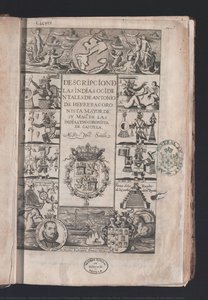
America, Being the Latest and Most Accurate Description of the New World


 Pročitaj više
Ručno rađena uljana reprodukcija
Ručno oslikano uljanim bojama na platnu u dimenzijama i okviru po vašem izboru, izrađeno po porudžbini od strane naših umetnika. ( Pređi na prodaju štampanih primeraka Pređi na prodaju digitalnih slika)




P118B $10

P118H $10

P118W $10

P438Z $10

P508JH $12

P508YH $12

P805H $10

P805Z $10

P919BZ $10

P919G $10

P919XJ $10

P959ZH $10

P968JZ $12

W106C $8

W218G $10

W218JH $8

W218Y $10

W307PJ $10

W316G $10

W316PJ $8

W316Y $10

W398PJ $8

W4111J $10

W500HY $15

W500JH $15

W692G $12

W849H $8

W940BG $15

W953PJ $8




Izaberite jednu od naših unapred definisanih veličina koje odgovaraju originalnim proporcijama umetničkog dela.

Možete uneti sopstvene dimenzije kako biste prilagodili umetničko delo određenom okviru ili prostoru. Ako odabrana veličina ne odgovara proporcijama originala, slika će biti isečena ili proširena dodatnim elementima koji se ručno oslikavaju. Digitalni prikaz će vam biti poslat na odobrenje pre početka proizvodnje.
Imajte na umu da pregled na ekranu ne odražava stvarno prisecanje ili proširenje. Samo mockup će precizno prikazati konačnu kompoziciju.
Iako su dostupne prilagođene veličine, preporučujemo da izaberete dimenziju iz unapred definisane liste kako biste sačuvali originalne proporcije.
Nakon narudžbine, tim AllPaintingsStore.com će klijentu putem e-pošte poslati uputstva i dostaviti prikaz predloženog rešenja
Svetska isporuka () za 3/4 nedelje umesto uobičajenih 5 nedelja. (21 септембар). Bez kompromisa po pitanju kvaliteta.

Besplatna ekspresna dostava širom sveta

Visokokvalitetno laneno platno

Sveobuhvatno osiguranje transporta

Garancija povraćaja carine i uvoznih dažbina

Garancija vernosti boja i autentičnosti pri reprodukciji

Politika povraćaja u roku od 100 dana (samo u slučaju nedostataka)

Garancija povrata 100% novca

Popust pri većoj količini
 Opcija sa staklom dostupna je samo za dimenzije manje od 110 cm

America, Being the Latest and Most Accurate Description of the New World
Tehnika izrade reprodukcije
Veličina reprodukcije
-


Ukupna cena
$ 258
A Window into the Uncharted: The Majesty of Ogilby’s New World
To gaze upon "America, Being the Latest and Most Accurate Description of the New World" is to embark on a voyage through time, stepping back into the seventeenth-century imagination where the boundaries of the known world were still being etched onto parchment. This exquisite work, stemming from the profound cartographic and editorial genius of Ogilby, Oglivie, serves as much more than a mere historical record; it is a breathtaking visual tapestry that captures the raw, untamed essence of a continent in flux. The painting, evocative of the era's finest engravings, presents a sweeping vista where the rugged grandeur of mountain ranges meets the rhythmic movement of human exploration. At its heart, a man on horseback leads a procession, a symbol of the relentless human drive to traverse, document, and claim the unknown.
The composition breathes with a sense of epic scale, utilizing a style that mirrors the dramatic tension found in the early Baroque period. There is a palpable weight to the landscape, where the interplay of light and shadow suggests the dense, mysterious foliage of a land untouched by the Old World. The technique, reminiscent of the meticulous detail found in 1671's finest printmaking, allows the viewer to discern the subtle textures of the horses' coats, the weathered clothing of the travelers, and the formidable silhouettes of the distant peaks. This mastery of detail does not merely inform the eye; it invites the soul to wander through the valleys and across the plains depicted within this storied volume.
Beyond its topographical significance, the artwork functions as a profound study of encounter and discovery. The presence of horses and travelers set against the vast, indifferent beauty of the mountains symbolizes the intersection of civilization and wilderness. For the discerning collector or interior designer, this piece offers an unparalleled opportunity to introduce a sense of historical gravity and intellectual depth into a space. It is a conversation starter that evokes themes of adventure, resilience, and the eternal human quest for knowledge.
Integrating a high-quality reproduction of this masterpiece into a curated collection or a sophisticated interior provides more than just decoration; it offers an emotional anchor. Whether placed in a library lined with leather-bound volumes or as a focal point in a contemporary study, the painting radiates an aura of timelessness. It serves as a reminder of a period when every horizon held a secret and every map was a promise of discovery. Owning such a piece is an invitation to hold a fragment of history, capturing the very moment when the world began to truly understand its own vastness.
Srodna umetnička dela



Biografija umetnika
The Shadowed Genius: Caravaggio and the Dawn of Baroque
Michelangelo Merisi da Caravaggio, a name synonymous with drama, intensity, and revolutionary technique, remains one of the most compelling figures in art history. Born in Milan in 1571, his life was tragically short – he died at the young age of thirty-eight – yet within that brief span, he irrevocably altered the course of painting, ushering in the Baroque era with a style both intensely personal and profoundly influential. Caravaggio’s legacy isn't simply about beautiful paintings; it’s about a radical shift in how artists approached light, emotion, and the very relationship between subject and viewer. Caravaggio’s early life remains shrouded in some mystery, though he likely received a basic artistic education from his father, a draper. He apprenticed under the painter Simone Peterzano in Milan before moving to Rome around 1592, a city teeming with patronage and opportunity. It was in Rome that Caravaggio truly exploded onto the scene, quickly establishing himself as a sought-after portraitist and religious painter. His early commissions were largely for private clients – wealthy merchants and nobles eager to adorn their homes with striking images of saints and biblical scenes. However, it wasn’t long before his distinctive style began to dominate. The core of Caravaggio's innovation lay in his masterful manipulation of *chiaroscuro*—the dramatic contrast between light and dark. He didn’t simply use light to illuminate a scene; he used it to sculpt figures, to create an atmosphere of intense drama, and to draw the viewer directly into the heart of the action. Unlike earlier artists who employed subtle gradations of light, Caravaggio favored stark contrasts, plunging his subjects into deep shadow while highlighting key features with pools of brilliant illumination. This technique wasn’t merely a stylistic choice; it was integral to his expressive aims. He sought to capture not just the likeness of his subjects but also their inner emotions—their faith, fear, and suffering. His religious paintings are particularly renowned for this effect. Works like *The Calling of St. Matthew*, *The Martyrdom of Saint Peter*, and *David and Goliath* are visceral experiences, pulling the viewer into the moment with an almost unbearable intensity. The figures aren’t idealized; they're ordinary people caught in extraordinary circumstances. Matthew is a humble tax collector, Peter is a simple fisherman, and David is a young boy wrestling with a giant—all rendered with unflinching realism and imbued with profound emotion. Caravaggio deliberately avoided the polished elegance of Mannerism, opting instead for a gritty, immediate style that reflected the realities of life in 17th-century Rome.Key Influences and Artistic Development
Caravaggio’s artistic development wasn't solely driven by his own vision. He was deeply influenced by the works of Leonardo da Vinci, particularly his use of *sfumato* (the blurring of outlines), and Michelangelo, whose dynamic compositions and powerful figures provided a model for dramatic intensity. However, Caravaggio forged his own unique path, rejecting the idealized forms and serene expressions favored by many of his contemporaries. He also drew inspiration from contemporary sources, including prints and engravings that depicted biblical scenes. Crucially, Caravaggio’s style evolved rapidly throughout his career. His early works in Rome were characterized by a more restrained palette and a greater emphasis on classical composition. As he matured, however, his use of color became bolder, his compositions more dynamic, and his figures increasingly expressive. The later paintings, such as *The Entombment of Christ* and *The Conversion of Saint Paul*, demonstrate a shift towards a more theatrical style, with heightened drama and an almost overwhelming sense of emotion.A Turbulent Life and Tragic End
Caravaggio’s life was marked by violence and instability. He had several run-ins with the law, including an assault in 1606 that resulted in a lengthy prison sentence. Rumors circulated about his scandalous behavior—allegations of prostitutes and gambling debts—though the extent of these rumors remains debated by historians. These turbulent experiences undoubtedly influenced his art, contributing to its raw emotional intensity and sense of unease. In 1607, Caravaggio was fatally wounded in a street brawl outside a tavern in Porto Ercole, Italy. The circumstances surrounding his death are still unclear, but it’s believed that he was involved in a dispute with a local man. He died shortly after arriving in Malta, leaving behind a legacy of unfinished works and a profound impact on the course of art history.The Legacy of a Revolutionary Artist
Despite his tragically short life, Caravaggio’s influence is immeasurable. His innovations in *chiaroscuro*, dramatic composition, and psychological realism profoundly shaped the development of Baroque painting. Artists throughout Europe—including Rembrandt, Rubens, and Velázquez—studied his techniques and adopted his style. Caravaggisti, artists who imitated his distinctive approach, flourished for decades after his death, spreading his influence across Italy and beyond. Today, Caravaggio’s paintings are among the most celebrated and sought-after works of art in the world. His ability to capture human emotion with such intensity continues to captivate audiences centuries later. He remains a testament to the power of an artist's vision—a revolutionary who dared to challenge artistic conventions and forever changed the way we see the world through paint.
ogelby, oglivie
1600 - 1676 , United Kingdom
Brzi pregled
- Artistic Movement Or Style: Baroque
- Artists Or Movements Influenced By This Artist: ['Caravaggisti']
- Artists Who Influenced This Artist:
- Michelangelo
- Leonardo da Vinci
- Date Of Death: 1610
- Full Name: Caravaggio
- Nationality: Italian
- Notable Artworks:
- The Calling of St Matthew
- David and Goliath
- Place Of Birth: Milan, Italy
Srodni članci

Katsushika Hokusai: 25 Remek-dela Japanskog Umetnika za Vaš Dom | AllPaintingsStore
Uronite u svet Katsushike Hokusaija! Otkrijte 25 remek-dela japanskog umetnika, uključujući čuveni 'Veliki talas'. Ukiyo-e štampe, pejzaži i istorija iza svakog dela. Pronađite inspiraciju za dekor enterijera i kupite reprodukcije slika vrhunskog kvaliteta na AllPaintingsStore.com.

Glavna dela koja su definisala Romantični pejzaž: 10 remek-dela za vaš dom
Otkrijte 10 remek-dela romantičnog pejzažnog slikarstva! Uronite u svet Claude Lorraina, Caspara David Friedricha i Turnera. Ispričane priče umetnosti, inspiracija za dekoraciju doma. Kvalitetne reprodukcije na AllPaintingsStore.com – istražite celu kolekciju online!

25 Remek-dela Džona Konstebla: Lepota Engleske na Platnu | AllPaintingsStore
Uronite u svet Džona Konstebla! Otkrijte 25 remek-dela engleskog pejzaža, romantizma i seoske idile. Kupite reprodukcije slika vrhunskog kvaliteta za dekoraciju enterijera na AllPaintingsStore.com.

Evocations of Place: A Historical Journey Through Landscape Art
Explore the rich history of landscape art with AllPaintingsStore. Discover renowned artists, movements like Impressionism & Romanticism, and expert guidance for collecting timeless pieces. Find your perfect serene escape today!

Evocations of Place: A Historical Journey Through Landscape Art
Explore the rich history of landscape art with AllPaintingsStore. Discover renowned artists, movements like Impressionism & tonalism, and expert guidance for collecting timeless pieces. Find your perfect serene escape today!

