


 Pregledaj u prostoru
 Podeli
 Podeli
 Detalji
 Vodič
Vodič

 Preuzmi sliku
 Slični predmeti
 Rendgenski snimak
 Automatska prezentacija
 Statistika
Newark


 Pročitaj više
Ručno rađena uljana reprodukcija
Ručno oslikano uljanim bojama na platnu u dimenzijama i okviru po vašem izboru, izrađeno po porudžbini od strane naših umetnika. ( Pređi na prodaju štampanih primeraka Pređi na prodaju digitalnih slika)




P118B дин10

P118H дин10

P118W дин10

P438Z дин10

P508JH дин12

P508YH дин12

P805H дин10

P805Z дин10

P919BZ дин10

P919G дин10

P919XJ дин10

P959ZH дин10

P968JZ дин12

W106C дин8

W218G дин10

W218JH дин8

W218Y дин10

W307PJ дин10

W316G дин10

W316PJ дин8

W316Y дин10

W398PJ дин8

W4111J дин10

W500HY дин15

W500JH дин15

W692G дин12

W849H дин8

W940BG дин15

W953PJ дин8




Izaberite jednu od naših unapred definisanih veličina koje odgovaraju originalnim proporcijama umetničkog dela.

Unesite širinu i visinu koja vam je potrebna, kako bi se uklopili u vaš ram ili zid. Pošto je ovo ručno oslikano delo, umetnik može naslikati malo više prostora oko slike ili malo skratiti ivice za dimenzije drugačijeg oblika — izbor je na vama. Pre početka rada, poslaćemo vam digitalni prikaz radi potvrde. Slika prikazana na ovoj stranici ne predstavlja konačan rezultat — samo digitalni prikaz pokazuje stvarnu sliku.
Nakon narudžbine, tim AllPaintingsStore.com će klijentu putem e-pošte poslati uputstva i dostaviti prikaz predloženog rešenja
Svetska isporuka () za 3/4 nedelje umesto uobičajenih 5 nedelja. (24 октобар). Bez kompromisa po pitanju kvaliteta.

Besplatna ekspresna dostava širom sveta

Visokokvalitetno laneno platno

Sveobuhvatno osiguranje transporta

Garancija povraćaja carine i uvoznih dažbina

Garancija vernosti boja i autentičnosti pri reprodukciji

Politika povraćaja u roku od 100 dana (samo u slučaju nedostataka)

Garancija povrata 100% novca

Popust pri većoj količini
 Opcija sa staklom dostupna je samo za dimenzije manje od 110 cm

Newark
Tehnika izrade reprodukcije
Veličina reprodukcije
-


Ukupna cena
дин 26599
Srodna umetnička dela


Biografija umetnika
A Life Bridging Worlds: The Story of Oscar Bluemner
Born Friedrich Julius Oskar Blümner in 1867, in the quiet Prussian town of Prenzlau, Oscar Bluemner’s journey was one of constant reinvention and a relentless pursuit of artistic expression. His early life was steeped in the practical world of architecture, a discipline he studied diligently in Berlin. However, this foundation would prove to be less a constraint than a crucial element shaping his later visual language. The seeds of his modernist vision were sown during his move to America in 1893, initially working as a draftsman at the World’s Columbian Exposition in Chicago before settling in New York City. These formative years were marked by struggle; finding consistent architectural work proved elusive, yet they provided fertile ground for observing the burgeoning urban landscape and contemplating the interplay between man-made structures and the natural world—themes that would dominate his artistic output. A pivotal moment arrived in 1903 with his winning design for the Bronx Borough Courthouse, a triumph quickly overshadowed by scandal and accusations of corruption, an experience that likely fueled his eventual departure from the architectural realm.From Architect to Painter: The Stieglitz Influence
The true turning point came in 1908 with his encounter with Alfred Stieglitz, the champion of modern art in America. This meeting was nothing short of transformative. Stieglitz’s circle—a vibrant hub of avant-garde thought and artistic experimentation—exposed Bluemner to a world beyond traditional academic painting. He absorbed influences from European movements like Cubism and Futurism, yet never fully succumbed to any single style. By 1910, he had decisively committed himself to painting, driven by a desire to explore color and form in ways architecture could not allow. The 291 gallery, Stieglitz’s famed exhibition space, became Bluemner's artistic home, culminating in a significant solo show in 1915. This exhibition showcased his evolving style—a unique blend of prismatic shapes, bold colors, and architectural precision. He wasn’t merely depicting landscapes or cityscapes; he was dissecting them, revealing their underlying structures and emotional resonance. Bluemner's participation in the groundbreaking 1913 Armory Show further cemented his place within the American modernist movement, though he voiced criticism of its organization, perceiving it as driven by artistic rivalries rather than genuine curatorial vision.The Language of Color and Symbolism
Bluemner’s art is characterized by a deeply personal system of color symbolism. He believed that colors possessed inherent psychological power, capable of evoking specific emotions and states of mind. Yellow, for him, represented light and illumination, while black embodied sorrow and the weight of existence. This wasn’t simply an intellectual exercise; it was a fundamental aspect of his artistic process. His “Situation” paintings—a recurring series in his oeuvre—are particularly revealing in this regard. These works often feature contrasting colors and forms deliberately arranged to depict philosophical or psychological concepts, exploring themes of duality, the relationship between humanity and nature, and the eternal tension between ego and alterity. Architectural elements – houses, trees, roads – frequently appear as symbolic representations within these landscapes, acting as stand-ins for human presence and internal states. He wasn’t interested in realistic representation; he sought to capture the *essence* of a place or emotion through color, form, and composition.Later Years, Recognition, and Lasting Legacy
Despite his artistic contributions and regular exhibitions, Bluemner faced persistent financial hardship throughout much of his career. The Great Depression brought further challenges, but also an opportunity to contribute to the Federal Arts Project, providing some measure of stability. Following the death of his wife in 1926, he relocated to South Braintree, Massachusetts, seeking solace and a new perspective. His later works, such as “A Situation in Yellow” (c. 1935-1937), exemplify his mature style—a masterful synthesis of color symbolism, architectural forms, and emotional intensity. A 1935 exhibition at the Marie Harriman Gallery finally garnered him significant critical acclaim, with Edward Alden Jewell praising his “bold, exclamatory style.” Tragically, this recognition came late in life; Bluemner took his own life in 1938, a poignant end to a life dedicated to artistic exploration. For decades, he remained largely overlooked, but today, Oscar Bluemner is rightfully recognized as a pivotal figure in early American Modernism. The remarkable Vera Bluemner Kouba Collection—a bequest of over 1,000 works to Stetson University—stands as a testament to his prolific output and provides invaluable insight into the mind of an artist who bridged European avant-garde movements with a uniquely American sensibility, foreshadowing developments in Color Field painting and establishing a distinctive voice within the landscape of modern art. He was a pioneer, a visionary, and a master of color whose work continues to resonate with audiences today.
Oscar Bluemner
1867 - 1938 , Germany
Brzi pregled
- Full Name: Oscar Florianus Bluemner
- Nationality: German-American
- Date Of Birth: 1867
- Date Of Death: 1938
- Place Of Birth: Prenzlau, Germany
- Notable Artworks:
- Blue Rd.
- Bath Beach
- Newark
- A Situation in Yellow
- Artistic Movement Or Style: Early American Modernism
- Artists Who Influenced This Artist: ['Alfred Stieglitz']
- Artists Or Movements Influenced By This Artist: ['Color Field painting']
Srodni članci

Dark Masterpieces: 10 Iconic Paintings Dominated by Black Tones |
Explore 10 iconic paintings dominated by black tones, from Rembrandt’s chiaroscuro to Goya's dark expressions. Discover the stories behind these masterpieces & find museum-quality art reproductions for your home at .

Oscar Bluemner: Bridging European Modernism with American Landscapes
Discover the captivating world of Oscar Bluemner, a key American Modernist bridging European art with uniquely American themes. Explore his vibrant landscapes, bold colors & enduring legacy.
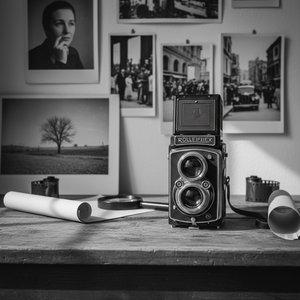
Monochrome Visions: Exploring the Aesthetic & Historical Significance of Black & White Photography
Explore the rich history & artistic power of black and white photography. From early techniques to iconic masters like Ansel Adams, discover why monochrome continues to captivate art lovers today. Expert insights for collectors.

Grant Wood & American Regionalism: Identity, Myth & the Rural Landscape
Explore the world of Grant Wood & American Regionalism with AllPaintingsStore. Discover the symbolism behind 'American Gothic', recurring themes, and the movement's lasting impact on art history. High-quality reproductions available.

White on Canvas: 10 Masterpieces & Timeless Elegance for Your Home Decor
Explore 10 iconic white paintings by Monet, Whistler & Rothko! Discover the stories behind these serene masterpieces and their impact on art history. Find museum-quality reproductions for your home decor at .

