


 Pregledaj u prostoru
 Pošalji
 Podeli
 Detalji o delu
 Vodič
Vodič

 Preuzmi
 Slični predmeti
 Rendgenski snimak
 Automatska prezentacija
 Pitanja i odgovori
 Statistika
Landscape


 Pročitaj više
Giclee štampa / Umetnički otisak
Giclée štampa ili print na platnu muzejskog kvaliteta uz brzu izradu i raznovrsne opcije završne obrade. ( Kupite ručno oslikano delo Pređi na digitalnu sliku)




P118B дин10

P118H дин10

P118W дин10

P438Z дин10

P508JH дин12

P508YH дин12

P805H дин10

P805Z дин10

P919BZ дин10

P919G дин10

P919XJ дин10

P959ZH дин10

P968JZ дин12

W106C дин8

W218G дин10

W218JH дин8

W218Y дин10

W307PJ дин10

W316G дин10

W316PJ дин8

W316Y дин10

W398PJ дин8

W4111J дин10

W500HY дин15

W500JH дин15

W692G дин12

W849H дин8

W940BG дин15

W953PJ дин8




Izaberite jednu od naših unapred definisanih veličina koje odgovaraju originalnim proporcijama umetničkog dela.

Unesite željenu širinu i visinu kako bi se štampa uklopila u vaš ram ili zid. Štampu je moguće samo iseći, ali nikada povećati iznad dimenzija originalne slike, stoga format sa drugačijim proporcijama uzrokuje gubitak dela slike. Pre početka štampe, poslaćemo vam digitalni prikaz radi potvrde. Slika prikazana na ovoj stranici ne predstavlja stvarni isrez — to pokazuje samo digitalni prikaz.
Dostava širom sveta () za 2 nedelje umesto uobičajenih 4/5 nedelja. (7 новембар)

Besplatna ekspresna dostava širom sveta

Visokokvalitetno laneno platno

Potpuno osiguranje transporta

Garancija povraćaja carine i uvoznih dažbina

Garancija vernosti boja

Politika povraćaja u roku od 100 dana (samo u slučaju nedostataka)

Garancija povrata 100% novca

Popust na više proizvoda
 Opcija sa staklom dostupna je samo za dimenzije manje od 110 cm

Landscape
Giclee štampa / Umetnički otisak
Dimenzije reprodukcije
-


Ukupna cena
дин 6809
Paul Cézanne’s “Landscape” – A Bridge Between Worlds
Painted in 1867 during a pivotal period of artistic transition, Paul Cézanne's "Landscape" isn’t merely a depiction of a rural scene; it’s a carefully constructed exploration of perception and the very nature of seeing. This work, housed within the Yale University Art Gallery, represents a crucial stepping stone in Cézanne’s evolution from the Impressionist palette to the nascent forms of Cubism, marking his deliberate departure from fleeting impressions towards a more structured, geometric representation of reality. The painting captures a dirt road winding through a verdant landscape – a familiar subject for Cézanne, who frequently returned to the views surrounding his home in Provence. However, it’s not the idyllic beauty of the scene that dominates; rather, it's the artist’s deliberate manipulation of space and color that commands attention.
Cézanne’s technique is immediately striking. He abandons the traditional Impressionist pursuit of capturing a momentary light effect, instead employing a more methodical approach. Thick, visible brushstrokes—a hallmark of his style—build up layers of paint to define form and volume. Notice how he doesn't simply *paint* the road; he sculpts it with color, creating an illusion of depth and solidity. The grass on either side isn’t rendered as a wash of green but rather as distinct planes of varying shades, suggesting texture and materiality. This deliberate layering is key to Cézanne’s revolutionary approach – he was less interested in replicating what the eye *sees* than in conveying how the mind *interprets* that visual information.
The Figures Within a Landscape
Scattered along the road are several figures, rendered with a remarkable degree of anonymity. They aren't portraits; they’re fragments of human presence within the broader landscape. Their placement is carefully considered – some closer to the viewer, others receding into the distance – creating a sense of spatial depth and inviting the observer to contemplate their relationship to the scene. The two dogs, one positioned centrally and another on the right, add an element of domesticity and perhaps even a hint of narrative, suggesting a quiet moment of rural life. The horse standing off to the left adds further context, hinting at agricultural activity or transport.
Interestingly, Cézanne’s use of perspective is deliberately ambiguous. He doesn't adhere strictly to linear perspective, creating an unsettling sense of spatial distortion. This wasn’t a conscious attempt to mislead the viewer but rather a reflection of his belief that reality itself is constructed within our minds. By fracturing traditional perspective, he forces us to actively engage with the painting and reconstruct its spatial relationships.
Symbolism and Emotional Resonance
While seemingly simple in composition, “Landscape” resonates with deeper symbolic meanings. The dirt road can be interpreted as a metaphor for life’s journey – a winding path through an uncertain future. The figures represent humanity's place within the natural world, highlighting our connection to both the tangible and the intangible. Cézanne himself described his work as "the thinking of things," suggesting that he sought to capture not just appearances but also the underlying essence of his subjects.
The painting’s overall mood is one of serene contemplation. Despite the somewhat unsettling spatial distortions, there's a palpable sense of peace and tranquility. Cézanne masterfully evokes a feeling of timelessness, inviting us to pause and reflect on the beauty and complexity of the natural world. It’s a testament to his ability to transform a commonplace landscape into a profound meditation on perception, form, and the human condition.
A Legacy of Innovation
“Landscape” is more than just a beautiful painting; it's a pivotal work in art history. Cézanne’s radical approach to representation paved the way for the development of Cubism and other avant-garde movements of the 20th century. His emphasis on structure, form, and color profoundly influenced generations of artists, shaping the course of modern art and leaving an enduring legacy that continues to inspire today.
Pitanja i odgovori
U koji umetnički pravac i u koje doba pripada delo „Landscape”, autor Pol Sezan?
„Landscape“ pripada pravcu Post-Impressionism, a njen autor je stvarao u periodu 19. vek.
Koja je tehnika i datum nastanka dela „Landscape”, autor Pol Sezan?
Delo "Landscape" nastalo je 1867. godine korišćenjem tehnike Acrylic On Canvas. Materijal i datum opisuju način i vreme kada je original izrađen.
Da li je moguće pogledati "Landscape" u proširenoj stvarnosti?
Delo „Landscape”, autor Pol Sezan možete isprobati na svom zidu putem stranice AR prikaz, koristeći proširenu stvarnost na kompatibilnom uređaju.
Srodna umetnička dela


Biografija umetnika
Револуционарна Визија: Живот и Дело Паула Сезана
Паул Сезан, рођен у Екс-ан-Провансу 1839. године, представља монументалну фигуру која спаја мимотретне импресије импресионизма и фрагментиране форме кубизма. Пут његовог стваралаштва није био обележен одмах признањем; већ је био постепени процес уметничког истраживања, испуњен периодима сумње у себе и критичких одбацивања, који се завршава кулминацијом наслеђа које ће незадрживо променити ток модерне уметности. Рођен у добростојећој породици – његов отац је прво био произвођач шешира, а касније банкар – Сезан је уживао финансијску сигурност неуобичавену за аспиранте уметнике, што му је дало слободу да се посвети својој страсти без непосредног притиска комерцијалног успеха. Иако га је отац првобитно усмеравао ка правној каријери, снага уметничког изражавања била је пресилнија, и он је на крају напустио право да се посвети сликарству, одлука која ће дефинисати његов живот. Утицаји у раним годинама укључивали су романтизам који је био распрострањен у то време и посвећеност школе Барбизон сликарству пејзажа, али је кроз сусрете са уметницима као што су Пол Гоген и Жорж Серат, и њиховим иновативним приступима боји и облику, Сезан почео да кује свој посебан пут.Од Тамних Тона до Структуре: Еволуција Стилова
Сезанов рани рад често је одражавао драматичне, емотивно наежгујуће теме карактеристичне за романтичко сликарство – тамне палете и изражајна техника сликања доминирале су његовим платнома. Међутим, ова почетна фаза била је само прелазна степеница ка далеко аналитичкијем и напреднијем приступу. Неудовлетворен чињеницом да једноставно забиљежи мимотретне импресије светлости, као што су то волели импресионисти, Сезан се упустио у потрагу да разуме и представи саме основе објекта. Он није тражио само *шта* види, већ и *како* доживљава фундаменталне форме које чине стварност. Ово га је навело да разбија природне облике на њихове геометријске еквиваленте – конусе, цилиндре, сфере – предвиђајући кубистичку револуцију деценијама пре него што се она догодила. Његова техника постала је карактеристична за мале, понављајуће покрете четком, пажљиво наслагане да би се изградила сложена поља боја и текстура, стварајући осећај чврстине и дубине до тада непознат у сликарству. Није био заинтересован за илузионистички простор; уместо тога, често је представљао предмете из више перспектива истовремено, изазивајући традиционалне појмове перспективе и принуђујући посматрача да активно учествује у конструисаној природи његових композиција. Ово намерно изобличење није било произвољно, већ покушај да се пренесе комплетније разумевање форме, представљајући не само један тренутак у времену, већ синтезу перцепције.Пејзажи, Натдреда и Људско Тело: Кључна Дјела и Повратне Теме
Сезаново дело изузетно је разноврсно, обухвата пејзаже, натдреде, портрете и приказе купача, али су све уједињене његовим посебним приступом форми и боји. Поточић у Жа де Буфану, сликан 1880. године, представља његов рад на пејзажу, демонстрирајући способност да се ухвати суштина природе кроз пажљиву аранжману облика и тонова. Портрет Емила Зола, настао 1866. године, открива његов развијајући стил и нуди убедљив увид у интелектуалну интензивност његовог блиског пријатеља и колеге писца. Његове натдреде, као што су оне које приказују јабуке и друго воће, нису само репрезентације објекта, већ истраживања обима, светлости и просторних односа. Серија Мон Сенте-Виктоар постала је опсесија за Сезана, повратна тема која му је омогућила да беспрекорно испитује форму и перспективу током деценија. Ови сликани нису само прикази планине; они су студије како ми перципирамо дубину, обим и интеракцију светлости и сенке. На крају, његова серија Купача, која приказује гола тела у идиличном пејзажу, представља продубно испитивање људског тела и његове везе са природом, често надахнута осећајем безвременске тишине и размишљања.Наслеђе Ковано Иновацијама: Сезанов Утицај на Модерну Уметност
Утицај Паула Сезана на касније генерације уметника неизмерив је. Широко се сматра „оцем модерне уметности“ због његових револуционарних доприноса пикторијском језику, отварајући пут многим од главних уметничких покрета 20. века. Пабло Пикасо и Жорж Брак дубоко су били задужени за Сезанов наглашак на геометријским формама и множењу перспектива, што је постало централна догма кубизма. Његова смела употреба боје такође је инспирисала покрет Фависта, предвођен уметницима као што су Анри Матис, који је прихватио живе, нереалистичне нијансе. Чак су и срцедални уметници нашли резонанцу у Сезановом испитивању субјективне перцепције и психолошке дубине. Изван специфичних покрета, Сезанова инсистенција на личном визији уметника и његово одбацивање традиционалних академских ограничења ослободила су генерације сликара да истражују нове облике изражавања. Он је изазвао сам дефиницију репрезентације, померајући фокус са омањивања стварности на конструисање визуелног искуства заснованог на основним структурама и субјективној перцепцији. Његова смрт 1906. године обележила је не крај, већ почетак – зору нове ере у историји уметности, дубоко обликовану његовом револуционарном визијом.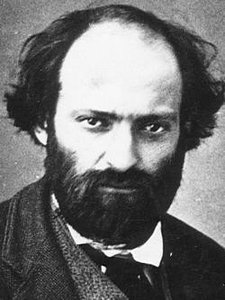
Pol Sezan
1839 - 1906 , Француска
Osnovne informacije
- Datum Rođenja: 1839-01-19
- Datum Smrti: 1906-10-22
- Mesto Rođenja: Aiks-en-Provans, Francuska
- Nacionalnost: Francuski
- Pokreti/Umetnici Pod Uticajem:
- Kubizam
- Fovizam
- Surentizam
- Puno Ime: Pol Sezan
- Umetnički Pokret: Postimpresionizam
- Uticajni Umetnici:
- Romantizam
- Barbizon škola
- Pol Gogen
- Žorž Seurat
- Značajna Dela:
- Slika ribnjaka u Jas de Bufan
- Portret Emila Zole
- Šuma
- Serija Mont Sen-Viktor
- Kupači
Povezani članci

Cultivating Visions: A Historical Journey Through Rural Landscapes in Art
Explore the rich history of rural landscape painting with AllPaintingsStore. Discover Impressionist masterpieces, key artists & movements. Find your perfect serene artwork and bring nature's beauty home.

25 Remek-dela Džona Konstebla: Lepota Engleske na Platnu | AllPaintingsStore
Uronite u svet Džona Konstebla! Otkrijte 25 remek-dela engleskog pejzaža, romantizma i seoske idile. Kupite reprodukcije slika vrhunskog kvaliteta za dekoraciju enterijera na AllPaintingsStore.com.

Paul Cézanne: 25 Remek-dela Revolucionarnog Umjetnika | AllPaintingsStore
Istražite 25 remek-dela Paula Cézanna, revolucionarnog slikara impresionizma i postimpresionizma. Otkrijte priče iza ikoničnih pejzaža, portreta i mrtve prirode. Kupite luksuzne reprodukcije slika na AllPaintingsStore.com!
Impressionistic Landscapes: 10 Masterpieces That Changed Art & Decor
Journey into the heart of Impressionism! Explore 10 masterpieces by Monet, Renoir & Degas that revolutionized landscape art. Discover their stories, techniques & find museum-quality reproductions to elevate your home decor on AllPaintingsStore.com.

Evocations of Place: A Historical Journey Through Landscape Art
Explore the rich history of landscape art with AllPaintingsStore. Discover renowned artists, movements like Impressionism & Romanticism, and expert guidance for collecting timeless pieces. Find your perfect serene escape today!


