


 Pregledaj u prostoru
 Pošalji
 Podeli
 Detalji o delu
 Vodič
Vodič

 Preuzmi
 Slični predmeti
 Rendgenski snimak
 Automatska prezentacija
 Q&A
Q&A Statistika
Untitled (D2X65E)

- 79.0 x 66.0 cm


 Pročitaj više
Giclee štampa / Umetnički otisak
Giclée štampa ili print na platnu muzejskog kvaliteta uz brzu izradu i raznovrsne opcije završne obrade. ( Kupite ručno oslikano delo Pređi na digitalnu sliku)




P118B дин10

P118H дин10

P118W дин10

P438Z дин10

P508JH дин12

P508YH дин12

P805H дин10

P805Z дин10

P919BZ дин10

P919G дин10

P919XJ дин10

P959ZH дин10

P968JZ дин12

W106C дин8

W218G дин10

W218JH дин8

W218Y дин10

W307PJ дин10

W316G дин10

W316PJ дин8

W316Y дин10

W398PJ дин8

W4111J дин10

W500HY дин15

W500JH дин15

W692G дин12

W849H дин8

W940BG дин15

W953PJ дин8




Izaberite jednu od naših unapred definisanih veličina koje odgovaraju originalnim proporcijama umetničkog dela.

Unesite željenu širinu i visinu kako bi se štampa uklopila u vaš ram ili zid. Štampu je moguće samo iseći, ali nikada povećati iznad dimenzija originalne slike, stoga format sa drugačijim proporcijama uzrokuje gubitak dela slike. Pre početka štampe, poslaćemo vam digitalni prikaz radi potvrde. Slika prikazana na ovoj stranici ne predstavlja stvarni isrez — to pokazuje samo digitalni prikaz.
Dostava širom sveta () za 2 nedelje umesto uobičajenih 4/5 nedelja. (1 новембар)

Besplatna ekspresna dostava širom sveta

Visokokvalitetno laneno platno

Potpuno osiguranje transporta

Garancija povraćaja carine i uvoznih dažbina

Garancija vernosti boja

Politika povraćaja u roku od 100 dana (samo u slučaju nedostataka)

Garancija povrata 100% novca

Popust na više proizvoda
 Opcija sa staklom dostupna je samo za dimenzije manje od 110 cm

Untitled (D2X65E)
Giclee štampa / Umetnički otisak
Dimenzije reprodukcije
-


Ukupna cena
дин 6667
Petrus Christus’s “Head of Christ (Ecce Homo)” – A Window into Early Renaissance Devotion
The image before us—Petrus Christus’s “Head of Christ (Ecce Homo),” painted circa 1445—isn't merely a portrait; it’s a profound meditation on sacrifice, suffering, and the very essence of Christian faith. Often considered a precursor to the more fully realized depictions of Christ’s Passion that would emerge later in the Renaissance, this intimate panel offers a remarkably direct and emotionally resonant experience for the viewer. It’s a work born from a specific historical context—the burgeoning influence of oil painting in Bruges, a city rapidly becoming a center for artistic innovation—and imbued with a deeply personal devotional purpose.
The genesis of this piece is fascinating. Tradition holds that it was created as a copy of a lost “Holy Face” image by Jan van Eyck, the master who had tragically died just three years before Christus began his career. This foundational image—a depiction of Christ’s face after the crucifixion—was believed to possess miraculous powers and was frequently used in private prayer. Christus's version retains the core elements of this prototype: the stark realism of Christ’s features, the visible wounds inflicted during his ordeal, and the solemnity of his gaze. However, Christus subtly transforms the image, imbuing it with a palpable sense of anguish and vulnerability that transcends mere replication.
A Masterclass in Oil Technique and Linear Perspective
Christus’s skill as a painter is immediately apparent in the meticulous detail he applies to every aspect of the work. The oil paint, relatively new to Northern European art at this time, allows for an unprecedented level of luminosity and depth—a far cry from the tempera paints favored by earlier artists. Notice how the light catches on Christ’s brow, highlighting the lines etched by pain, and how the folds of his garment subtly suggest texture and volume. This isn't a flat, idealized representation; it’s a remarkably lifelike portrayal of human suffering.
Crucially, Christus employs a technique known as “linear perspective,” a revolutionary approach to depicting space that he likely learned from Italian artists who were increasingly influencing the Northern Renaissance. The framing device—a meticulously rendered architectural setting—creates an illusion of depth, drawing the viewer’s eye directly to Christ's face and intensifying the emotional impact of the image. This innovative use of perspective was groundbreaking for its time, demonstrating Christus’s forward-thinking approach to artistic representation.
Symbolism and Emotional Resonance
Beyond the technical mastery, “Head of Christ (Ecce Homo)” is rich in symbolic meaning. The crown of thorns, a potent symbol of suffering and sacrifice, dominates the composition, immediately conveying the gravity of Christ’s fate. The drops of blood streaming down his face are not merely depictions of physical wounds; they represent the shedding of his blood for humanity's sins—a central tenet of Christian theology. Christ’s furrowed brow and downward gaze communicate a profound sense of sorrow and resignation, inviting contemplation on themes of redemption and forgiveness.
The choice to depict only Christ’s head—a cropped portrait—further intensifies the emotional impact. It forces the viewer to confront the image directly, fostering a sense of intimacy and personal connection with the subject. This was likely intended for private devotion, a silent prayer offered in contemplation of Christ's sacrifice.
A Timeless Testament to Faith
“Head of Christ (Ecce Homo)” is more than just a beautiful painting; it’s a powerful testament to the enduring themes of faith, suffering, and redemption. Christus’s masterful technique, combined with his profound understanding of symbolism and emotional resonance, creates an image that continues to move viewers centuries after its creation. It stands as a pivotal work in the development of Northern Renaissance art—a window into the spiritual world of 15th-century Bruges and a timeless reminder of the sacrifice at the heart of Christian belief.
Pitanja i odgovori
Da li se "Untitled (D2X65E)" nalazi u zemlji svog autora?
Ne – umetničko delo se nalazi u inostranstvu. Petrus Kristus je rođen/a u Belgija, dok se originalno delo "Untitled (D2X65E)" čuva u muzeju u United States of America.
U kojoj prostoriji bi se najbolje uklopilo delo "Untitled (D2X65E)", s obzirom na njegovu paletu boja?
Earthy boje dela „Untitled (D2X65E)”, autor Petrus Kristus savršeno se uklapaju u preporučeni prostor: Living Room.
Gde se preporučuje izlaganje dela "Untitled (D2X65E)" u formatu Portrait?
Sa svojim Portrait oblikom, reprodukcija dela "Untitled (D2X65E)" idealna je za Living Room.
Srodna umetnička dela


Biografija umetnika
Majstor iz Bruga: Život i umetnost Petruša Krista
Petrus Christus, ime možda manje odmah prepoznatljivo od imena njegovih savremenika Jana van Eycka ili Rogiera van der Weydena, ipak zauzima ključnu poziciju u razvoju rane nederlandske slikarstva. Rođen oko 1465. godine u Baarle-Hertogu, maloj vojvodini koja se proteže preko granice između Belgije i Holandije, Christus se istakao kao jedan od vodećih umetnika koji su radili u Brudžu tokom perioda neviđenih umetničkih inovacija. Iako biografski detalji ostaju oskudni – što je bila česta sudbina mnogim slikarima tog doba – njegova preživela dela govore mnogo o njegovoj tehničkoj veštini, intelektualnoj radoznalosti i dubokom razumevanju kako religijskog simbolizma, tako i naglo rastućih mogućnosti ulja na platnu. On nije bio samo sledbenik Van Eycka; bio je inovator koji je suptilno, ali značajno pomerio granice realizma i perspektive, ostavivši neizbrisiv trag na umetničkom pejzažu 15. veka.Rana karijera i umetnički temelji
Christus se prvi put pojavljuje u istorijskim zapisima 1444. godine kao majstor slikar u Brudžu, što sugeriše da je prošao kroz temeljno učenje – iako identitet njegovog učitelja ostaje nepoznat. Ono što jeste jasno jeste da se brzo afirmisao unutar cveta umetničke zajednice tog grada. Nakon smrti Jana van Eycka 1ala41. godine, Christus je popunio prazninu, postajući jedan od najtraženijih umetnika u Brudžu. Njegovo rano delo pokazuje oštru svest o Van Eyckovim tehnikama – pedantnom detalju, luminoznosti ulja i simboličkoj bogatosti utkanoj u naizgled obične predmete. Međutim, on nije samo imitirao svog prethodnika. Christus je počeo da razvija prepoznatljiv stil koji karakteriše veći naglasak na jasnoći, arhitektonskim okruženjima i sve sofisticiranijem razumevanju linearne perspektive. Takođe je upio uticaje Rogiera van der Weydena, posebno u svojoj sposobnosti da prenese emocionalnu dubinu i duhovni intenzitet.Inovacije u perspektivi i realizmu
Najznačajniji doprinos Christusa leži u njegovoj majstorskoj primeni linearne perspektive. Dok je Van Eyck koristio određeni stepen prostorne dubine u svom radu, Christus je otišao korak dalje, kreirajući slike sa izuzetno ubedljivim osećajem dubine i trodimenzionalnosti. Ovo je posebno vidljivo u delima kao što je Devica Marija sa detetom, koja se sada nalazi u Nacionalnoj galeriji, gde se arhitektonski ambijent povlači u daljinu sa matematičkom preciznošću. On nije samo stvarao realistične prostore; koristio je perspektivu da privuče posmatrača *unutar* same scene, podstičući intimniju vezu sa temom. To nije bio samo tehnički zadatak; služilo je da pojača duhovni uticaj slike, pozivajući na kontemplaciju i pobožnost. Njegova pedantna tehnika – slojevitost tankih glazura ulja kako bi se postigla neprevaziđena svetlost i detalj – dodatno je unapredila taj osećaj realizma. Svaka tekstura, od nabora tkanine do sjaja metala, prikazana je sa zapanjujućom tačnošću.Velika dela i simbolički jezik
Pored dela Devica Marija sa detetom, Christus je stvorio i niz drugih značajnih dela koja pokazuju njegovu umetničku veštinu i intelektualnu dubinu. Portret mladog čoveka, koji se trenutno nalazi u muzeju Thyssen-Bornemisza, posebno je upečatljiv primer njegove sposobnosti da uhvati ljudski karakter. Pogled modela je direktan i privlačan, prenoseći osećaj inteligencije i samosvesti. Slika takođe otkriva suptilnu upotrebu simbolizma – jedina upaljena sveća može predstavljati Hrista kao svetlost sveta, dok narandža na prozorskom okvinu može aludirati na čistotu i vrlinu. On je često uključivao takve simboličke elemente u svoje slike, obogaćujući njihovo značenje izvan čisto vizuelnog nivoa. Još jedno važno delo je Poslednji sud, složena kompozicija koja demonstrira njegovu veštinu u prikazivanju višestrukih figura unutar dinamičnog prostora.Nasleđe i istorijski značaj
Petrus Christus je umro u Brudžu 1476. godine, ostavivši za sobom relativno mali, ali duboko uticajan korpus dela. Njegove inovacije u linearnoj perspektivi i pedantna tehnika imali su trajan uticaj na naredne generacije slikara. Iako nije osnovao veliku radionicu niti privukao brojne sledbenike, njegov stil je bio usvojen od strane drugih umetnika koji su radili u regionu, doprinoseći širem razvoju slikarstva severne renesanse. On je premostio jaz između međunarodnog gotičkog stila i prirodističkih tendencija 15. veka, postavljajući put umetnicima kao što su Hans Memling i Hugo van der Goes. Danas je Petrus Christus priznat kao ključna figura rane nederlandske umetnosti – majstor zanatlija čije slike nastavljaju da očaravaju posetioce svojom lepotom, realizmom i intelektualnom dubinom. Njegovo delo nudi jedinstven prozor u umetnički i religiozni svet Brudža 15. veka, podsećajući nas na moć slikarstva da istovremeno odražava i oblikuje naše razumevanje stvarnosti.
Petrus Kristus
1465 - 1476 , Belgija
Osnovne informacije
- Artistic Movement Or Style: Rana neerlandska umetnost
- Artists Or Movements Influenced By This Artist:
- Jan van Eyck
- Rogier van der Weyden
- Artists Who Influenced This Artist:
- Jan van Eyck
- Rogier van der Weyden
- Date Of Birth: 1465
- Date Of Death: 1476
- Full Name: Petrus Christus
- Nationality: Belgijanci
- Notable Artworks:
- Devica Marija sa detetom
- Portret mladog čoveka
- Place Of Birth: Baarle-Hertog, Belgija
Povezani članci

Celestial Messengers: Angels in Painting – A Historical & Artistic Exploration
Explore the captivating history of angels in painting! Discover symbolism, iconic Renaissance & Byzantine masterpieces, and renowned artists. Expert insights for art lovers & collectors at AllPaintingsStore.

Divine Beauty: A Curated Guide to the Celestial Majesty of Angelic Figures in Art History
Explore the profound beauty of angelic figures in art history. From Renaissance masterpieces to celestial symbolism, our expert guide offers a sophisticated journey through the divine imagery of the Old Masters for discerning collectors and art enthusiasts.
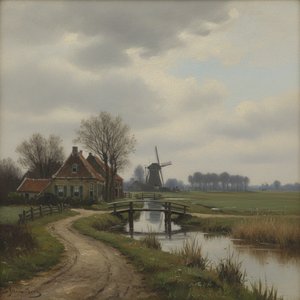
Jacob Henricus Maris: A Master of Dutch Atmospheric Realism & the Intimate Landscape
Explore the captivating world of Jacob Henricus Maris, a leading figure of the Dutch Hague School. Discover his atmospheric landscapes, signature brushstrokes & lasting influence on 19th-century art. Learn more at AllPaintingsStore.

The Northern Renaissance: A Flourishing of Realism, Religious Reform & Artistic Innovation
Explore the Northern Renaissance! Discover Jan van Eyck's innovations, religious shifts, & key artists of this influential period. Expert analysis and insights into Early Netherlandish painting at AllPaintingsStore.

Celestial Messengers: A Comprehensive Exploration of Angelic Representation in Art History
Explore the captivating history of angels in art! Discover symbolism, iconic Renaissance masterpieces & renowned artists. Expert insights for art lovers & collectors at AllPaintingsStore.