


 Pregledaj u prostoru
 Podeli
 Podeli
 Detalji
 Vodič
Vodič

 Preuzmi sliku
 Slični predmeti
 Rendgenski snimak
 Automatska prezentacija
 Statistika
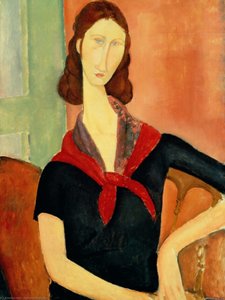
The Brown Gloves


 Pročitaj više
Umetničko delo prikazano na ovoj stranici zaštićeno je autorskim pravima, što znači da zakonski nismo u mogućnosti da kreiramo niti prodajemo identičnu reprodukciju. Ova zaštita se sprovodi u skladu sa međunarodnim sporazumima kao što su Bernska konvencija i nacionalnim zakonima, uključujući i one koji su definisani u Američki zakon o autorskom pravu – Naslov 17.
Ovaj metod je u potpunosti usklađen sa regulativama o autorskim pravima jer ne podrazumeva kopiranje ili dupliranje zaštićenih umetničkih dela. Umesto toga, reč je o kreativnoj reinterpretaciji – novom slikarskom delu koje je inspirisano originalom, ali nije identično njemu.
Giclee štampa / Umetnički otisak
Giclée štampa ili print na platnu muzejskog kvaliteta uz brzu izradu i raznovrsne opcije završne obrade. ( Naručite ručno oslikano reprodukciju Pređi na prodaju digitalnih slika)




































Izaberite jednu od naših unapred definisanih veličina koje odgovaraju originalnim proporcijama umetničkog dela.

Unesite širinu i visinu koja vam je potrebna, kako bi se uklopili u vaš ram ili na vaš zid. Štampa se može samo iseći, nikada ne može biti veća od originalne slike, stoga format sa drugačijim proporcijama gubi deo slike. Poslaćemo vam digitalni prikaz radi potvrde pre nego što započnemo štampu. Slika prikazana na ovoj stranici ne pokazuje stvarni rez — to pokazuje samo digitalni prikaz.
Dostava širom sveta () za 2 nedelje umesto uobičajenih 4/5 nedelja. (24 октобар)

Besplatna ekspresna dostava širom sveta

Visokokvalitetno laneno platno

Sveobuhvatno osiguranje transporta

Garancija povraćaja carine i uvoznih dažbina

Garancija vernosti boja i autentičnosti pri reprodukciji

Politika povraćaja u roku od 100 dana (samo u slučaju nedostataka)

Garancija povrata 100% novca

Popust pri većoj količini
 Opcija sa staklom dostupna je samo za dimenzije manje od 110 cm

The Brown Gloves
Giclee štampa / Umetnički otisak
Veličina reprodukcije
-


Ukupna cena
дин 6598
Pitanja i odgovori
Koji je datum nastanka dela „The Brown Gloves”, Raphael Gleitsmann?
„The Brown Gloves“ potiče iz 1932. Ovaj datum smešta delo u okviru karijere umetnika Raphael Gleitsmann i njegove ere.
Ko je napravio "The Brown Gloves" i kada?
Raphael Gleitsmann je napravio/la "The Brown Gloves" u 1932. godine.
Gde mogu pronaći vodič za "The Brown Gloves"?
Stranica Vodič za delo „The Brown Gloves”, Raphael Gleitsmann nudi štampani informativni list u dve stranice: sam rad sa tabelom identifikacije, vremensku traku koja ga smešta u period života umetnika, druga dela istog umetnika, izmerenu paletu boja i citate spremne za kopiranje u četiri stila.
Srodna umetnička dela



Biografija umetnika
Early Life and Artistic Beginnings in Akron
Raphael Gleitsmann, born in Dayton, Ohio in 1910, was a distinctly American artist whose life story is as compelling as the evocative imagery he created. He spent the vast majority of his years in Akron, Ohio, a city that would become both the backdrop and often the subject of his work. Unlike many artists of his generation, Gleitsmann was largely self-taught; his formal training was limited to instruction from Miss Calvin at Central High School and Paul Travis at the Cleveland School of Art. Unable to afford tuition, he cultivated relationships with faculty and students at the school, eventually gaining access to classes without official enrollment—a testament to his innate talent and dedication.
Gleitsmann’s early artistic endeavors focused on realistic depictions of life in Middle America during the Great Depression. These paintings weren't merely representations; they were idealized visions of a society grappling with hardship, imbued with a sense of quiet dignity and resilience. He captured the essence of everyday existence, portraying scenes that resonated with many Americans struggling through economic turmoil. This early period reveals an artist keenly observant of his surroundings, possessing a natural ability to translate lived experience onto canvas.
The Impact of War: A Shift in Perspective
The course of Gleitsmann’s artistic journey was profoundly altered by his service as a combat engineer during World War II, from 1943 to 1945. His experiences abroad were deeply traumatic, culminating in wounds sustained at the Rhine River—an event for which he received the Purple Heart. The horrors witnessed firsthand irrevocably changed his perspective and subsequently, his art. Upon returning home, Gleitsmann found himself unable to continue painting in the same vein as before.
The idyllic scenes of pre-war America gave way to haunting post-apocalyptic imagery—ruins, cemeteries, and landscapes scarred by conflict. These works were not simply depictions of destruction; they were explorations of loss, memory, and the fragility of civilization. He began to grapple with themes of attrition, time’s relentless march, and the psychological toll of war. This shift in subject matter was a direct response to his experiences, reflecting a profound internal transformation.
National Recognition and Artistic Evolution
Gleitsmann's post-war work garnered significant national attention, most notably when he won first prize at the 1948 Carnegie Institute exhibition of international contemporary painting. This victory was particularly noteworthy as it came against formidable competition, including Andrew Wyeth—a testament to the power and originality of his vision. The award brought him widespread acclaim and solidified his position within the American art landscape.
His unsettling yet captivating paintings contrasted sharply with the more optimistic attitudes prevalent in earlier generations of artists. Gleitsmann’s work forced viewers to confront uncomfortable truths about the human condition, prompting reflection on the consequences of conflict and the enduring scars it leaves behind. He experimented with abstraction and expressionism, moving away from strict realism to convey the emotional weight of his experiences.
Later Years and Legacy
Despite achieving critical success, Gleitsmann may have curtailed his artistic career around 1954. The intensity of the trauma he experienced during the war likely played a significant role in this decision; it’s speculated that continuing to revisit such harrowing themes became too emotionally taxing. While details surrounding his later life remain somewhat sparse, his impact on American art is undeniable.
Raphael Gleitsmann's work stands as a powerful testament to the transformative power of experience and the artist’s ability to translate personal trauma into universal statements about the human condition. His paintings offer a poignant glimpse into the anxieties and uncertainties of the post-war era, reminding us of the enduring cost of conflict and the importance of confronting difficult truths. He is remembered as an artist who dared to look beyond the surface, exploring the darker recesses of the human psyche with unflinching honesty.

Raphael Gleitsmann
1910 - 1995 , United States of America
Brzi pregled
- Full Name: Raphael Gleitsmann
- Nationality: American
- Date Of Birth: 1910
- Date Of Death: 1995
- Place Of Birth: Akron, United States of America
- Notable Artworks: ['The White Dam']
- Artistic Movement Or Style: Realistic, Expressionism

