Pregledaj u prostoru
 Pošalji
 Podeli
 Detalji o delu
 Vodič
Vodič

 Preuzmi
 Slični predmeti
 Rendgenski snimak
 Automatska prezentacija
 Q&A
Q&A Statistika
The sibyls (detail)

 Pročitaj više
Giclee štampa / Umetnički otisak
Giclée štampa ili print na platnu muzejskog kvaliteta uz brzu izradu i raznovrsne opcije završne obrade. ( Kupite ručno oslikano delo Pređi na digitalnu sliku)




P118B дин10

P118H дин10

P118W дин10

P438Z дин10

P508JH дин12

P508YH дин12

P805H дин10

P805Z дин10

P919BZ дин10

P919G дин10

P919XJ дин10

P959ZH дин10

P968JZ дин12

W106C дин8

W218G дин10

W218JH дин8

W218Y дин10

W307PJ дин10

W316G дин10

W316PJ дин8

W316Y дин10

W398PJ дин8

W4111J дин10

W500HY дин15

W500JH дин15

W692G дин12

W849H дин8

W940BG дин15

W953PJ дин8




Izaberite jednu od naših unapred definisanih veličina koje odgovaraju originalnim proporcijama umetničkog dela.

Unesite željenu širinu i visinu kako bi se štampa uklopila u vaš ram ili zid. Štampu je moguće samo iseći, ali nikada povećati iznad dimenzija originalne slike, stoga format sa drugačijim proporcijama uzrokuje gubitak dela slike. Pre početka štampe, poslaćemo vam digitalni prikaz radi potvrde. Slika prikazana na ovoj stranici ne predstavlja stvarni isrez — to pokazuje samo digitalni prikaz.
Dostava širom sveta () za 2 nedelje umesto uobičajenih 4/5 nedelja. (30 октобар)

Besplatna ekspresna dostava širom sveta

Visokokvalitetno laneno platno

Potpuno osiguranje transporta

Garancija povraćaja carine i uvoznih dažbina

Garancija vernosti boja

Politika povraćaja u roku od 100 dana (samo u slučaju nedostataka)

Garancija povrata 100% novca

Popust na više proizvoda
 Opcija sa staklom dostupna je samo za dimenzije manje od 110 cm

The sibyls (detail)
Giclee štampa / Umetnički otisak
Dimenzije reprodukcije
-


Ukupna cena
дин 6652
The Sibyls: A Glimpse of Prophecy in Raphael’s Roman Masterpiece
Raphael's "The Sibyls," a captivating detail from the larger fresco cycle adorning the chapel at Santa Maria della Pace in Rome, offers a profound meditation on prophecy, knowledge, and the human condition. Completed around 1514, this section of the work stands as a testament to Raphael’s mastery of composition, color, and his deep understanding of classical ideals – all rendered with an exquisite grace that belies the weighty themes it explores. The painting isn't merely a decorative element; it’s a carefully constructed visual narrative, inviting viewers into a world where ancient wisdom intersects with divine inspiration.
The scene depicts four Sibyls—figures from Greek mythology renowned for their prophetic abilities—each poised in a moment of intense contemplation. These women, originating from Cumae, Persia, Phrygia, and Tibute, were believed to have possessed the gift of foresight, delivering oracles to rulers and mortals alike. Raphael’s depiction transcends simple portraiture; he imbues these figures with an almost ethereal quality, their long hair cascading around them like liquid moonlight, their faces etched with a mixture of solemnity and intense concentration. The red dress worn by the central Sibyl immediately draws the eye, creating a focal point within the composition while simultaneously hinting at both passion and divine authority.
A Renaissance Synthesis: Style and Technique
Raphael’s approach to this subject matter is deeply rooted in the High Renaissance tradition, yet subtly departs from earlier Mannerist styles. He skillfully blends elements of classical sculpture—particularly the contrapposto stance evident in the figures' postures—with a heightened sense of realism and emotional depth. The use of *sfumato*, a technique perfected by Leonardo da Vinci, is particularly noticeable here; it softens the edges of the forms, creating an atmospheric haze that contributes to the overall sense of mystery and timelessness. The color palette is restrained yet luminous, dominated by rich reds, blues, and golds—colors associated with royalty, divinity, and wisdom.
Notably, Raphael’s workshop executed much of the fresco cycle, including these Sibyls, based on his original drawings. While some stylistic differences exist between Raphael's designs and the final execution, the core composition and thematic intent remain remarkably consistent. The architectural setting—a trabeated loggia reminiscent of Roman architecture—further reinforces the connection to classical antiquity, suggesting that the Sibyls’ prophecies are not merely divinely inspired but also rooted in a deep understanding of human history and fate.
Symbolism and Prophecy's Weight
The Sibyls themselves are potent symbols. Each represents a different region of the ancient world and, consequently, a distinct source of prophecy. Their presence within the chapel at Santa Maria della Pace—a space dedicated to prayer and contemplation—underscores the importance of seeking guidance from the divine. The angel holding a lighted torch above them is a crucial element, symbolizing the illumination that comes through prophetic insight – dispelling darkness and revealing the future. The Sibyls’ gazes, directed towards an unseen point beyond the frame, invite viewers to contemplate their own role in interpreting the signs of the times.
Furthermore, the Sibyls' connection to the *Stanza della Segnatura*, another fresco cycle within the Vatican Palace, reveals a deliberate thematic continuity. The figures here share similarities with the Virtues depicted in that room—each associated with a specific branch of knowledge and virtue. This reinforces the idea that prophecy is not simply about predicting the future but also about cultivating wisdom and understanding.
A Timeless Masterpiece: Reproduction Possibilities
AllPaintingsStore offers meticulously crafted, hand-painted reproductions of Raphael’s “The Sibyls,” capturing the essence of this iconic artwork with unparalleled detail and fidelity. Whether you seek a stunning addition to your personal collection or a sophisticated piece for interior design, our reproductions provide an authentic representation of Raphael's genius. Each reproduction is created using traditional techniques and archival-quality materials, ensuring its longevity and beauty for generations to come. Explore the available sizes and options on our website to bring this timeless masterpiece into your space.
Pitanja i odgovori
Iz koje zemlje potiče High Renaissance rad "The sibyls (detail)"?
"The sibyls (detail)" povezuje pokret High Renaissance sa Italija kroz rodno mesto svog tvorca.
Na koji način se "The sibyls (detail)" uklapa u teme i stil umetnika Rafael?
„The sibyls (detail)“ deli sa ostalim delima umetnika Rafael svoj High Renaissance stil i prepoznatljive teme: humanist ideals, classical references, religious prophecy, divine guidance, papal patronage, roman setting, sibyls’ visions, prophetic art.
Za šta se predlaže upotreba dela „The sibyls (detail)”, autor Rafael?
Preporučena upotreba printa dela "The sibyls (detail)" je Statement.
Srodna umetnička dela


Biografija umetnika
Рафаело: Легенда Изазване Светлом
Рафаело Санцио да Урбино, познат свету као Рафаело, израстао је из изузетно плодне културне атмосфере. Рођен 1483. године у Урбину, малом али интелектуално живом граду-држави у централној Италији, његове прве године биле су испуњене окружењем које је ценило и умнешко вештине и хуманистичко образовање. Његов отац, Ђовани Санти, није био само сликар запослен код војводе Федерика да Монтефелтра – он је био човек дубоко ангажован у струјама ренесансног мишљења, песник који је хроничарио живот војводе и активно тражио иновативне уметничке идеје из целе Италије и шире. Ово уроњење у дворјански амбијент, који је ценио унапређење и интелектуалан дискурс, дубоко је обликовало Рафаелове чула. Губитак оца са једанаест година на њега је бацио одговорност, али му је такође пружио прилику да усврши своје вештине у породичној радионици, апсорбујући технике и традиције под руководством локалних уметника. Чак и у овим раним делима, нежна грација и детаљна пажња – обележја његовог зрелог стила – почела су да се истичу.
Од Умбрије до Фиренце: Апсорбовање Нових Утицаја
Уметничко путовање Рафаела било је непрекидно еволуирало, обележено периодима интензивног студија и асимилације. Његов први тренинг под Пиетром Перугином у Перуђи поставио је чврст темељ у умбријском стилу – карактеристичном по мекој моделирању, хармоничним композицијама и смиреним религиозним сценама. Међутим, Рафаело је поседовао неугасиву љубопитљивост која га је наводила да тражи нове изазове и проширује своје уметничке хоризонте. 1504. године кренуо је у Фиренцу, град тада пуљак уметничке иновације. Овде се сусрео са делима Леонарда да Винчија и Микеланђела, уметника који су потиснули границе сликања на невиђен начин. Он је пажљиво изучавао њихове технике – Леонардов „сфумато”, његове суптилне градације светлости и сенке, и Микеланђелове моћне анатомијске прецизности и драматичних композиција. Ова фирентинска фаза била је кључала за Рафаела, приморавајући га да се суочи са новим уметничким могућностима и синтетише их у своју сопствену јединствену визију. Утицај је видљив у повећаној динамици и психолошкој дубини његових дела из тог времена, посебно у серији Мадона.
Римски Тријумф: Комисије и Мајсторска Дела
1508. године Рафаело је добио позив који би променио ток његове каријере – позив од папе Јулија II да дође у Рим. Ово је означило почетак његовог најпродуктивнијег и славнијег периода. Вечити град пружио му је незапоређиву прилику да покаже свој таленат у великом обиму, украшавајући папине апартмане у Ватикану задивљујућим фрескама. Школа Атиње, можда његово најчувеније дело, служи као сведочанство о његовом мајсторству композиције, перспективе и филозофске алегорије. У његовом величанственом простору Рафаело је окупио фигуре из класичне антике – Платона, Аристотела, Питагоре, Еуклида – стварајући набој који слави људски разум и потрагу за знањем. Наставио је да ради за касније папе, међу којима је био Лео X, подухватајући монументалне пројекте као што је декорација Стана дела Сегнатура и Стана д'Елиодора. Његове фреске у овим собама нису само декоративне; они су дубоке изјаве о папиној моћи, религиозном веровању и идеалима ренесансе.
Синтеза Грације и Величанства: Рафаелов Уметнички Стил
Рафаелов уметнички стил често се описује као хармонична мешавина грације, јасноће и идеализоване лепоте. Он је поседовао изузетан дар да синтетише различите утицаје – умбријску традицију, флорентинске иновације, класичну антику – у јединствено избалансирану естетику. Његове композиције су пажљиво планиране, показујући осећај реда и пропорција које одражавају његово дубоко разумевање ренесанских принципа. Његова фигуре зраче смирену достојанственост и емоционалну изразитост, оличавајући хуманистички идеал људског савршенства. Био је такође мајстор колориста, користећи богате, лучисте нијансе како би створио дела која су истовремено визуелно задивљујућа и интелектуално стимулативна. За разлику од Микеланђелове често драматичне и немирне стила, Рафаелова дела избијају осећај мира и хармоније – квалитет који је вековима привлачио публику.
Заоставштина и Трајан Утицај
Нечасна смрт Рафаела 1520. године, у доби од само тридесет седам година, прекинула је каријеру која је била испуњена потенцијалом. Ипак, његова заоставштина траје као једна од најзначајнијих фигура у западноевропској историји уметности. Његов рад постао је камен основе ренесанске естетике, служећи за пример генерацијама уметника. Док је Микеланђелов утицај касније доминирао уметничком дискурсу, Рафаелов нагласак на јасноћи, хармонији и идеализованој лепоти искуство ревивалистичке периоде, заступајући критичаре попут Јохана Јоахима Винкелмана. Данас се његове слике и даље дичу својом техничком бриљиантношћу, емоционалном дубином и трајним апелом, задивљујући гледаоце. Његов утицај може се видети у безбројна дела која су следила, што је учврстило његово место као истинског мајстора ренесансе – сликара који није само ухватио физички изглед својих субјеката, већ и саму есенцију људске грације и достојанства.
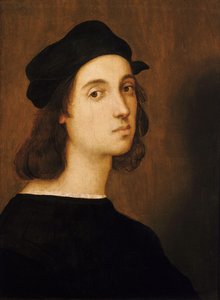
Rafael
1483 - 1520 , Italija
Osnovne informacije
- Datum Rođenja: 28. mart 1483.
- Datum Smrti: 6. april 1520.
- Mesto Rođenja: Urbino, Italija
- Nacionalnost: Italijan
- Pokreti/Umjetnici Uticajem: ['Neoklasna umjetnost']
- Puno Ime: Rafael Sanzio da Urbino
- Umjetnički Pokret: Visoka renesansa
- Uticali Umjetnici:
- Leonardo da Vinci
- Mihajlo Anđelo
- Značajna Djela:
- Škola atine
- Sistinska Madona
- Transfiguracija
Povezani članci

Fresco Art Guide: Mastering the Timeless Technique of Wall Painting for Luxury Interior Design
Master the art of fresco for luxury hospitality design. Explore technical insights into historical wall painting and discover how professional-grade, large-scale reproductions can elevate hotel interiors with timeless Renaissance elegance.