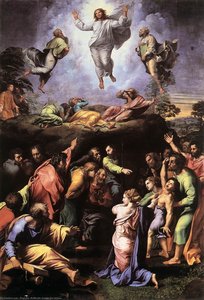
Tempera na drvenoj podlozi.

§ 1Catalogue data


§ 2Abstract
Opis predmeta
Погледајте Рафаелову „Визију војвода“, шедевра ренесансне уметности у Националној галерији, Лондон. Ова аллегоријска сликарство изражава вредност и задовољење са изузедном прецизношћу.
 Pročitaj više
Biografija umetnika
Rafael (1483-1520): Majstor Visoke Renesanse poznat po svojim smirenim Madonama, arhitektonskom geniju i ikoničnim delima kao što je 'Atinska škola'. Istražite njegovo poreklo iz Urbina i umetnički uticaj!
§ 3Commentary
A Renaissance Allegory: Unveiling Raphael’s “The Vision of a Knight”
- Subject and Composition: Raphael's "The Vision of a Knight," painted between 1503-1504, presents a captivating allegorical scene. The artwork depicts a sleeping knight, bathed in soft light, surrounded by two ethereal female figures. On the left stands Virtue, adorned with modest attire and offering symbols of intellectual pursuit – a book – and martial prowess – a sword. To the right, Pleasure beckons with flowing hair and a delicate flower, representing sensual delight. The composition is meticulously balanced, divided by a lush laurel tree symbolizing honor and lasting glory.
- Technique and Style: Executed in egg tempera on poplar panel, this masterpiece showcases Raphael’s exceptional technical skill. His mastery of color is evident in the rich hues achieved through pigments like lead-tin yellow, ultramarine, verdigris, and ochres. The painting exemplifies High Renaissance ideals – harmony, clarity, and idealized beauty. Raphael's attention to detail, particularly in the rendering of fabrics and facial expressions, demonstrates his profound understanding of human anatomy and form.
Historical Context and Symbolism
- A Dialogue with Classical Thought: “The Vision of a Knight” is deeply rooted in classical literature. It’s widely believed to illustrate a passage from Cicero's *Somnium Scipionis* (The Dream of Scipio), where the Roman general Scipio Aemilianus encounters Virtue and Pleasure in a dream, choosing the path of duty and honor. This connection to ancient philosophy elevates the painting beyond a mere depiction of figures; it becomes a meditation on moral choice and the pursuit of an ideal life.
- Paired with Grace: Originally conceived as part of a pair with “The Three Graces,” now housed in the Château de Chantilly museum, this work likely held a specific symbolic meaning for its original patron. The complementary nature of the two panels suggests a celebration of both intellectual and physical virtues, perhaps commemorating a marriage or significant life event.
- Renaissance Humanism: The painting embodies Renaissance humanism’s emphasis on individual potential and the harmonious integration of diverse qualities. Raphael doesn't present Virtue and Pleasure as opposing forces but rather suggests that a balanced life incorporates both intellectual rigor and sensual appreciation.
Emotional Impact and Enduring Appeal
- A Moment of Introspection: “The Vision of a Knight” invites viewers into a moment of quiet contemplation. The sleeping knight, suspended between worlds, embodies the universal human experience of facing difficult choices and striving for self-improvement.
- Timeless Beauty: Raphael’s masterful execution ensures that this painting continues to captivate audiences centuries after its creation. Its enduring appeal lies in its ability to resonate with fundamental human values – the pursuit of knowledge, the allure of beauty, and the quest for a meaningful life.
- Owning a Legacy: A handmade oil painting reproduction of “The Vision of a Knight” allows you to bring this Renaissance masterpiece into your home. Experience the subtle nuances of Raphael’s brushwork and the profound symbolism that has inspired generations of art lovers. It's an investment in beauty, history, and enduring artistic excellence.
Pitanja i odgovori
Pod kojim drugim imenima ili pseudonimima je poznat/a Rafael?
Ostala imena zabeležena za Rafael, autora dela "Визија војвода", uključuju Rafaello Sanzio, Rafaele Sanzio Da Urbino, Rafaello Santi.
Gde se "Визија војвода" nalazi u okviru istorije umetnosti?
Umetnotorijališka klasifikacija dela „Визија војвода”, autor Rafael pripada pravcu High Renaissance, iz perioda Renesansa.
Ko je autor dela "Визија војвода"?
Autor dela "Визија војвода" je Rafael. Delo je katalogizovano pod imenom Rafael.


 Pređi na štampu


 Za umetnička dela ili reprodukcije čija je bilo koja strana veća od 105 cm (približno 41 inč), okvir će biti isporučen u obliku rastavljenog seta za sklapanje. Ovaj metod osigurava bezbednu dostavu i sprečava oštećenja tokom transporta.