Garancija povraćaja novca · 100 dana Besplatna dostava širom sveta
449.587umetnička dela 30.613umetnici 4.660muzeji 32jezici
Valuta
    Jezik
      Atelje · Osnovan 2015. · Pariz, Francuska
      AllPaintingsStore
      allpaintingsstore.com
      Catalogue entry

      Copper handcuffs

      1931. Fotografija. Kraljevski muzeji lepe umetnosti Belgije.

      Fig. 1. Рене Магрит, Copper handcuffs, 1931. Shown as the reproduction you are specifying: , .

      § 1Catalogue data

      § 2Abstract

      Opis predmeta

      Explore René Magritte’s ‘Copper Handcuffs,’ a neoclassical sculpture of Venus de Milo. Discover the surrealist's iconic style & detailed bronze execution – a captivating art piece.

      Biografija umetnika

      René Magritte je belgijski umetnik koji je poznat po svojim surrealističkim slikama koje izazivaju pitanja o stvarnosti i percepciji. Najpoznatije su njegove slike kao što su „Ljubavnici“, „La trahèrie des images“ i „Čovek u stanju“.

      § 3Commentary

      A Surreal Collision of Antiquity and Constraint


      In 1931, René Magritte captured a moment of profound visual tension in his evocative work, Copper Handcuffs. At first glance, the viewer is met with the familiar, dignified grace of classical antiquity—the upper torso and flowing drapery of the iconic Venus de Milo. Yet, this reverence for the past is abruptly interrupted by a jarring, modern intrusion: a pair of copper handcuffs tightly binding the bronze figure. This is not merely a depiction of sculpture, but a masterful manipulation of reality through the lens of Surrealism. Magritte utilizes a meticulous, almost photographic realism to render the textures of the aged bronze and the subtle play of light across the surface, making the illogical presence of the metal restraints feel disturbingly tangible. The composition is tightly focused, pulling the eye toward the center where beauty and bondage meet in an unsettling embrace.

      The Poetics of the Unconscious


      To understand Copper Handcuffs is to step into the dreamlike logic that defined the Surrealist movement. Emerging from the psychological shadows of the post-World War I era, Magritte sought to bypass rational thought and tap into the raw power of the unconscious mind. Here, the symbolism operates on a plane of deep ambiguity, inviting the observer to look beyond the surface. The Venus de Milo stands as an eternal emblem of beauty, freedom, and artistic perfection, while the handcuffs serve as a stark reminder of restriction, imprisonment, and the weight of societal control. By placing these two opposing forces in such close, intimate contact, Magritte creates a visual riddle that prompts contemplation on the struggle between the ideal and the real, and the invisible constraints placed upon even the most magnificent forms of existence.

      An Evocative Presence for the Discerning Collector


      For the art enthusiast or interior designer, a high-quality reproduction of this piece offers far more than mere decoration; it provides a profound intellectual anchor for any curated space. The work’s dramatic use of light and shadow—accentuating the rich patina of the bronze against a dark, undefined background—allows it to command attention in even the most minimalist contemporary settings. Whether integrated into a sophisticated gallery-style room or used as a focal point in a classic study, the piece acts as an enduring conversation starter. The interplay of organic human forms with the cold, industrial texture of copper creates a sensory experience that is both unsettling and deeply captivating, making it an essential acquisition for those seeking to infuse their environment with mystery, history, and a touch of the unexpected.

      Pitanja i odgovori

      Postoji li vodič za „Copper handcuffs”, autor Рене Магрит?

      Stranica Vodič za učenike za delo „Copper handcuffs”, autor Рене Магрит nudi štampani informativni list u dve stranice: sam rad sa tabelom identifikacije, vremensku traku koja ga smešta u period života umetnika, druga dela istog umetnika, izmerenu paletu boja i citate spremne za kopiranje u četiri stila.

      Kako mogu da nabavim digitalni prikaz dela „Copper handcuffs”, autor Рене Магрит?

      Digitalnu sliku dela „Copper handcuffs”, autor Рене Магрит možete kupiti na njegovoj stranici za Digitalna slika u visokoj rezoluciji: preuzimanje digitalne slike visoke rezolucije.

      Kakav osećaj prenosi „Copper handcuffs”, autor Рене Магрит?

      „Copper handcuffs”, autor Рене Магрит prenosi Misteriozno osećaj unutar opšte Mistična atmosfere.
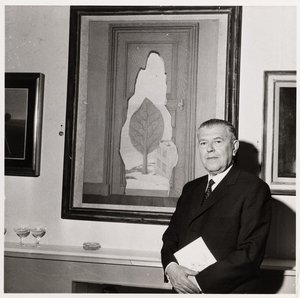
      § 4The artist

      Рене Магрит

      Рене Магрит

      1898 - 1967, Belgija

      Quick facts about Рене Магрит

      • Artistic Movement Or Style: Surrealizam
      • Artists Who Influenced This Artist: ['Žorž De Čiriko']
      • Date Of Birth: 21 novembra 1898
      • Date Of Death: 15 augusta 1967
      • Full Name: René François Ghislain Magritte
      • Nationality: Belgijac
      • Notable Artworks:
        • Les Amants
        • Trešcarenj ulaga
        • Vreme zamrzeno
        • Čovečanstvo
      • Place Of Birth: Lesennes, Belgiju

      Biografija umetnika

      Early Life and the Seeds of Surrealism

      René Magritte, geboren René François Ghislain Magritte am 21. November 1898 in Lessines, Belgien, trat in eine Welt ein, die sein enigmatisches künstlerisches Sehen tiefgreifend prägen würde. Sein frühes Leben war geprägt von einem erschütternden Ereignis – dem Selbstmord seiner Mutter als er nur dreizehn Jahre alt war. Das Bild ihrer Leiche beim Wiederaufbau durch den Sambre Fluss mit ihrem Kleid, das ihr Gesicht verdeckte, wurde ein obsessives Motiv, das sich subtil in seinen späteren Arbeiten widerspiegelte und eine kontinuierliche Erforschung verborgener Realitäten zum Ausdruck brachte. Dieses frühe Trauma instillte ihm eine Faszination für Mysterium, Verlust und die erschreckende Macht dessen, was nicht gesehen wird. Obwohl Einzelheiten seines Kindeslebens nur schwer zu finden sind, ist klar, dass diese formative Erfahrung seinen lebenslangen Zweifel an Wahrnehmung und Darstellung begründete. Er begann mit Zeichnungen im Alter von zehn Jahren und offenbarte eine natürliche Neigung zum visuellen Ausdruck, erkundete aber zunächst Impressionismus bevor er einen Weg einschlug, der ihn dazu führte, einer der bedeutendsten Figuren in der Surrealistischen Kunst zu werden.

      Artistic Development and Influences

      Magrittes künstlerische Reise war nicht unmittelbar oder einfachweg erfolgreich. Er studierte an der Académie Royale des Beaux-Arts in Brüssel und fand ihre traditionellen Methoden erstickend. Sein frühes Werk experimentierte mit Futurismus und Kubismus und ließ sich Elemente dieser Avantgarde Bewegungen aufnehmen, lehnte aber deren ausschließlich formale Interessen ab. Es gelang ihm nicht bis zum Begegnen mit Giorgio de Chiricos Gemälde *Die Melodie der Liebe* im Jahr 1922, dass Magritte eine Resonanz entdeckte, die seinen künstlerischen Kurs für immer veränderte. De Chiricos traumhafte Landschaften und verstörende Kombinationen öffneten ihm einen neuen Blick – eine Welt, in der das Bekannte fremd erscheinen konnte und das Gewöhnliche tiefgreifende Mysterium aufnehmen konnte. Dieses Erlebnis entfachte sein Engagement für Surrealismus, obwohl er oft eine einzigartige Distanz zu seinen ausgeprägtesten psychologischen oder automatischen Ansätzen bewahrte. Er bevorzugte eine präzise Technik, um reale Szenarien darzustellen und ließ sich nicht von anderen Mitgliedern der Bewegung beeinflussen.

      The Heart of Surrealism: Challenging Reality

      Bis 1926 hatte Magritte sich vollständig dem Wesen des Surrealismus verschrieben und schuf *Le Jockey Perdu (Der Verlorene Jockey)*, das allgemein als sein erstes wirklich surrealistisches Werk angesehen wird. Allerdings war seine Art von Surrealismus einzigartig. Er interessierte sich nicht für die Erkundung des Unterbewusstseins durch frei assoziative oder traumhafte Bilder wie einige seiner Zeitgenossen. Stattdessen suchte Magritte nach einer neuen Möglichkeit zu sehen – eine Welt, in der das Bekannte fremd erscheinen konnte und das Gewöhnliche tiefgreifende Mysterium aufnehmen konnte. Er war nicht daran interessiert, die Oberfläche von Objekten zu erforschen oder eine bestimmte Perspektive einzunehmen wie andere Künstler seiner Zeit. Magritte konzentrierte sich darauf, die Wahrnehmung von Realität herauszufordern, indem er alltägliche Objekte in unerwarteten Kontexten präsentierte und damit dazu aufforderte, eigene Annahmen über die Welt um uns herum zu hinterfragen.

      Iconic Works: Paradoxes of Perception

      Magritte’s oeuvre is marked by a distinctive preoccupation with paradoxes – visual illusions that disrupt our understanding of reality and invite contemplation. *Les Amants (Die Liebenden)*, geschaffen zwischen 1927 und 1928, zeigt zwei Figuren hinter einem Vorhang, deren Gesichter verdeckt sind und somit eine zentrale Frage aufwirft: Wie können wir wirklich sehen? Diese berühmte Darstellung wird oft als ein Echo des frühen Traumas von Magrittes Mutter interpretiert – einer Figur, die sowohl eine Faszination für Geheimnis und Intimität als auch eine Reflexion über Verlust und Verbergenheit zum Ausdruck bringt. *The Treachery of Images (Dieses Bild ist kein Rohr)* (1929) ist ein Meisterwerk der Surrealistischen Kunst und stellt einen klassischen Fall von Dekonstruktion dar: Ein Bild wird nicht das Ding selbst, sondern lediglich eine Darstellung davon. Magritte nutzt eine hohe technische Präzision und eine sorgfältige Auswahl von Materialien, um diese paradoxe Aussage zu verstärken und uns daran zu erinnern, dass eine Repräsentation niemals die Sache ist.

      Legacy and Influence

      Despite initial difficulties in gaining recognition, Magritte’s work gradually gained prominence, insbesondere in den Vereinigten Staaten mit Ausstellungen im Jahr 1936 und später retrospektiven Veranstaltungen beim Museum of Modern Art (1965) und dem Metropolitan Museum of Art (1992). Er blieb politisch engagiert und setzte sich für künstlerische Autonomie ein. Er entwickelte weiterhin seinen unverwechselbaren Stil und erkundete Themen wie Wiederholung, Täuschung und die Macht der Sprache in Gemälden, die sowohl intellektuell anregend als auch visuell beeindruckend sind. Magritte starb am 15. August 1967 und hinterließ ein Werkkörper, das weiterhin Publikum weltweit fasziniert und herausfordert. Sein Einfluss reicht weit über die Malerei hinaus und umfasst Pop Art, Minimalismus und Konzeptkunst.

      § 5Comparanda

      § 6Questions

      § 7Cite this entry

      AllPaintingsStore.com, “Рене Магрит, Copper handcuffs (1931)”, https://allpaintingsstore.com/sr/art/rene-magritte-copper-handcuffs-D2WE8L-en/ArtistReproduction/ (accessed 1 октобар 2026).

      § 8The reproduction

      Ručno rađena uljana reprodukcija

      Ručno oslikano uljanim bojama na platnu u dimenzijama i okviru po vašem izboru, izrađeno po porudžbini od strane naših umetnika. ( Pređi na štampu Pređi na digitalnu sliku)

      It is specified on the order sheet in the margin; the present state of that sheet reads as follows.

      Copper handcuffs

      Tehnika reprodukcije

      Dimenzije reprodukcije

      -

      Vrhunski maestri umetnosti

      Više detalja, prefinjenosti i dodatnog vremena za izradu

      -

      Okvir za reprodukciju

      -

      -

      Za umetnička dela ili reprodukcije čija je bilo koja strana veća od 105 cm (približno 41 inč), okvir će biti isporučen u obliku rastavljenog seta za sklapanje. Ovaj metod osigurava bezbednu dostavu i sprečava oštećenja tokom transporta.

      Potrebna je profesionalna montaža – ovo nije proizvod namenjen samostalnoj izradi.
      Set mora sastaviti i platno zategnuti iskusni profesionalni ramitelj, koristeći drveni lepak (nije uključen u set), hvataljku za zatezanje platna i stege kako bi se održao prav ugao okvira dok se lepak suši. Nepravilno sklapanje ili neravnomerno zategnuto platno mogu trajno oštetiti umetničko delo, što nije pokriveno našom garancijom.

      • Sve šipke od masivnog drveta su uključene, precizno isečene po veličini.

      • Montira se pomoću priloženih šrafova, uz dodatno korišćenje lepka za drvo za spojeve u uglovima, koji nije uključen u set i koji vaš čuvar okvira mora obezbediti.

      • Potreban je profesionalni alat koji nije uključen u set: klešta za zatezanje platna (zatezač) i stege za održavanje pravih uglova letvica tokom sušenja lepka.

      Važno:
      Za spojeve u uglovima neophodan je lepak za drvo, šipke se moraju pričvrstiti stezgama dok lepak potpuno ne osuši, a za zatezanje platna na sklopljenom ramu potrebne su hvataljke za zatezanje platna. Nijedan od ovih alata nije uključen u komplet. Pre naručivanja ove veličine, molimo Vas da unapred obezbedite iskusnog profesionalca za ramačenje.

      Kratki opis natpisa

      -

      -

      Zaštitni lak

      Sjajni lak (pojačava intenzitet boja, štiti od svetlosti i vlage)

      -

      Personalizujte svoje umetničko delo

      Primeri mogućnosti izmene: Zamena lica fotografijom kupca; Dodavanje ljubimca (npr. zamena mačke psom); Uključivanje skrivene poruke u pozadini; Promena pejzaža ili elemenata pozadine.

      -

      Hitna dostava

      Svetska isporuka () za 3/4 nedelje umesto uobičajenih 5 nedelja. (29 октобар). Bez kompromisa po pitanju kvaliteta.

      -

      Brza dostava

      Dostava širom sveta () u roku od 5 nedelja. (5 новембар).

      Uključeno u cenu

      Ukupna cena

      дин 26711

      Included with every order

      • Besplatna ekspresna dostava širom sveta
      • Visokokvalitetno laneno platno
      • Potpuno osiguranje transporta
      • Garancija povraćaja carine i uvoznih dažbina
      • Garancija vernosti boja
      • Politika povraćaja u roku od 100 dana (samo u slučaju nedostataka)
      • Garancija povrata 100% novca
      • Popust na više proizvoda
      Order sheet