


 Preview
 Naručite reprodukciju Kupi digitalnu sliku
 Pošalji
 Podeli
 Detalji o delu
 Dodaj u omiljene

 Преузми
 Slični predmeti
 Rendgenski snimak
 Slajdovi
Beach
 Post-Impressionism
 39.0 x 58.0 cm
 Royal West of England Academy
 Pročitaj više
Giclee štampa / Umetnički otisak
Giclée štampa ili print na platnu muzejskog kvaliteta uz brzu proizvodnju i fleksibilne opcije završne obrade.




































Izaberite jednu od naših unapred definisanih veličina koje odgovaraju originalnim proporcijama umetničkog dela.

Možete uneti sopstvene dimenzije kako biste umetničko delo prilagodili specifičnom okviru ili prostoru. Ako odabrani format ne odgovara proporcijama originalne slike, mi ćemo ili iscrtati deo dela ili proširiti sliku pomoću ogledane ivice ili jednobojnog popunjavanja. Digitalni prikaz će vam biti poslat na odobrenje pre početka proizvodnje.
Imajte na umu da pregled na ekranu ne odražava stvarno iscrtavanje ili proširivanje. Samo će prikaz (mockup) precizno pokazati finalnu kompoziciju.
Iako su prilagođene dimenzije dostupne, preporučujemo da odaberete dimenziju sa unapred definisane liste kako biste očuvali originalne proporcije.
Dostava širom sveta () za 2 nedelje umesto uobičajenih 4/5 nedelja. (25 јул)

Besplatna ekspresna dostava širom sveta

Visokokvalitetno laneno platno

Kompletno osiguranje transporta

Garancija povraćaja carine i uvoznih dažbina

Garancija vernosti boja

Politika povrata u roku od 60 dana (samo u slučaju nedostataka)

Garancija povrata novca od 100%

Popust pri grupnoj kupovini
 Opcija sa staklom dostupna je samo za dimenzije manje od 110 cm

Beach
Giclee štampa / Umetnički otisak
Dimenzije reprodukcije
-


Konačna cena
-
Srodna umetnička dela


Biografija umetnika
Richard MacDonald: Sculpting the Essence of Movement
Richard MacDonald (b. 1946) stands as a towering figure in contemporary American sculpture, celebrated for his monumental bronze works that distill the dynamism and beauty inherent in human movement—primarily inspired by dancers and athletes. Born in Yeovil, England, MacDonald’s artistic journey began with formal training at Leeds College of Art and subsequently honed at the Royal College of Art, establishing him as a respected educator alongside a prolific creative output. His distinctive style blends neo-realism with expressive abstraction, resulting in sculptures that convey both anatomical precision and emotional resonance.- Early Influences: MacDonald’s formative years were marked by exposure to British Sporting Art, notably Ramsay Richard Reinagle's depictions of equestrian pursuits and animal portraits—a tradition he embraced as a young artist.
- Academic Career: He lectured at Leeds College of Art and Camberwell School of Arts & Crafts, fostering the next generation of sculptors while simultaneously refining his own artistic vision.
- Notable Exhibitions: MacDonald’s work gained recognition through participation in influential groups like the London Group and the New English Art Club, culminating in a triumphant solo exhibition at the Royal Academy showcasing his evolving aesthetic.
The Rise of Neo-Realism & Artistic Exploration
MacDonald's breakthrough came in the mid-1950s when he transitioned to neo-realist sculpture, prioritizing anatomical accuracy and capturing the physicality of subjects—often dancers or athletes—with remarkable detail. This stylistic shift reflected a broader trend within European art at the time, emphasizing observation and conveying emotional depth through form. His sculptures aren’t merely representations; they are embodiments of energy and grace, meticulously crafted to evoke a profound connection with the human experience.- Collaboration with Joseph Losey: MacDonald achieved considerable success as an Art Director for films directed by Joseph Losey, notably “The Feeding Time” and “Oliver!”, cementing his reputation as a visual storyteller.
- Hollywood Career: He moved to Hollywood in 1968, contributing to numerous productions including "Bonnie and Clyde," "Good Morning Vietnam" and "Flash Gordon."
Signature Style & Recurring Themes
MacDonald’s sculptural technique is characterized by a masterful command of bronze casting—a medium he consistently utilizes throughout his career. He employs a subtractive process, meticulously carving away material to reveal the underlying form, resulting in sculptures that possess both solidity and fluidity. Recurring themes within his oeuvre include movement, balance, and the exploration of human anatomy—often depicted with striking realism alongside subtle expressive gestures. His work frequently references classical sculpture, demonstrating an enduring appreciation for artistic heritage.Monumental Achievements & Artistic Legacy
MacDonald’s monumental sculptures—particularly those commissioned for public spaces—have garnered international acclaim and solidified his place as one of America's foremost sculptors. Notable projects include “Return to the City at Evening” in Toronto, Canada – a striking depiction of London’s twilight skyline – and “Beach,” reflecting solitude and contemplation. His enduring influence can be seen in the work of countless artists who have drawn inspiration from his pioneering approach to figurative sculpture. MacDonald continues to sculpt today, demonstrating an unwavering commitment to artistic innovation and perpetuating his legacy as a visionary artist.Further Exploration
For deeper insights into Richard MacDonald’s life and art, consider visiting Musée Richard Anacréon in Granville, France – showcasing early 20th-century modern art alongside literary treasures – or exploring the Art Gallery of Guelph (formerly Macdonald Stewart) in Ontario, Canada. Discovering his artistic journey offers a captivating glimpse into the evolution of contemporary sculpture and its enduring fascination with capturing human movement and emotion.
richard macdonald
1946 -
Osnovne informacije
- Artistic Movement Or Style: Neo-realism
- Artists Or Movements Influenced By This Artist: ['Cirque du Soleil']
- Artists Who Influenced This Artist: ['Ramsay Richard Reinagle']
- Date Of Birth: 1946
- Date Of Death: Living
- Full Name: Richard MacDonald
- Nationality: American
- Notable Artworks:
- Return to the City at Evening
- Beach
- Place Of Birth: Yeovil, England
Povezani članci

25 Remek-dela Nacionalne Galerije Londona: Umetnička Inspiracija za Vaš Dom
Otkrijte 25 remek-dela Nacionalne galerije Londona! Istražite priče Van Goga, Moneta i drugih velikana. Inspiracija za dekoraciju enterijera & luksuzne reprodukcije slika dostupne na AllPaintingsStore.com.
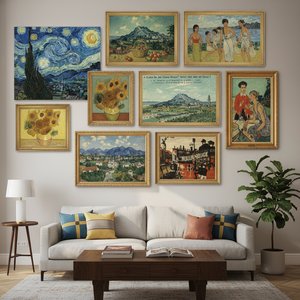
Postimpresionizma: 10 Remek Dela Koje Su Izmenila Umjetnost i Dekor
Otkrijte 10 remek dela postimpresionizma koja su revolucionisala umetnost! Van Gog, Monet, Sezan... Istorija, tehnika i emocije u svakoj slici. Inspiracija za vaš dom i vrhunske reprodukcije na AllPaintingsStore.com. Explore the full collection online!

Henri Moret: Capturing the Essence of Brittany's Light – A Study in Post-Impressionist Landscape Painting
Explore the captivating landscapes of Henri Moret, a master of Post-Impressionism. Discover his unique style, key works, and legacy in our expert guide. Learn about collecting Moret's art & its investment potential.

Richard Wilson: Deconstructing Landscape & Memory in Contemporary Installation Art
Explore Richard Wilson's groundbreaking landscape paintings & his enduring influence on contemporary installation art. Discover investment opportunities, provenance insights & the materiality of memory in this expert analysis.

Richard Parkes Bonington: A Brief but Brilliant Career – Romantic Landscapes & the Dawn of Plein Air Painting
Explore the short but impactful career of Richard Parkes Bonington, a pivotal figure bridging British Romanticism & French plein air painting. Discover his luminous landscapes and lasting influence on Delacroix & beyond.



