


 Pregledaj u prostoru
 Pošalji
 Podeli
 Detalji o delu
 Vodič
Vodič

 Preuzmi
 Slični predmeti
 Rendgenski snimak
 Automatska prezentacija
 Statistika
The River—March


 Pročitaj više
Giclee štampa / Umetnički otisak
Giclée štampa ili print na platnu muzejskog kvaliteta uz brzu izradu i raznovrsne opcije završne obrade. ( Kupite ručno oslikano delo Pređi na digitalnu sliku)




P118B дин10

P118H дин10

P118W дин10

P438Z дин10

P508JH дин12

P508YH дин12

P805H дин10

P805Z дин10

P919BZ дин10

P919G дин10

P919XJ дин10

P959ZH дин10

P968JZ дин12

W106C дин8

W218G дин10

W218JH дин8

W218Y дин10

W307PJ дин10

W316G дин10

W316PJ дин8

W316Y дин10

W398PJ дин8

W4111J дин10

W500HY дин15

W500JH дин15

W692G дин12

W849H дин8

W940BG дин15

W953PJ дин8




Izaberite jednu od naših unapred definisanih veličina koje odgovaraju originalnim proporcijama umetničkog dela.

Unesite željenu širinu i visinu kako bi se štampa uklopila u vaš ram ili zid. Štampu je moguće samo iseći, ali nikada povećati iznad dimenzija originalne slike, stoga format sa drugačijim proporcijama uzrokuje gubitak dela slike. Pre početka štampe, poslaćemo vam digitalni prikaz radi potvrde. Slika prikazana na ovoj stranici ne predstavlja stvarni isrez — to pokazuje samo digitalni prikaz.
Dostava širom sveta () za 2 nedelje umesto uobičajenih 4/5 nedelja. (28 октобар)

Besplatna ekspresna dostava širom sveta

Visokokvalitetno laneno platno

Potpuno osiguranje transporta

Garancija povraćaja carine i uvoznih dažbina

Garancija vernosti boja

Politika povraćaja u roku od 100 dana (samo u slučaju nedostataka)

Garancija povrata 100% novca

Popust na više proizvoda
 Opcija sa staklom dostupna je samo za dimenzije manje od 110 cm

The River—March
Giclee štampa / Umetnički otisak
Dimenzije reprodukcije
-


Ukupna cena
дин 6613
A Symphony of Industry and Nature
In the quiet transition of seasons, Robert Spencer’s The River—March emerges as a profound meditation on the intersection of human industry and the natural world. Painted in 1919, this evocative work captures a moment where the stillness of early spring meets the rhythmic pulse of a riverside community. The scene unfolds along a tranquil waterway, where the architecture of a quaint town clings to the riverbanks, its structures serving as silent witnesses to the passage of time. Through his masterful lens, Spencer does not merely depict a landscape; he invites the viewer into a living, breathing ecosystem where boats rest near the shore and a bridge spans the water, acting as a literal and metaphorical connection between the wildness of the river and the structured life of the town.
The composition is anchored by a sense of nostalgic charm, yet it avoids the saccharine. There is a weight to the buildings—a suggestion of the mills and tenements that defined the New Hope era—that lends the piece an grounded, authentic atmosphere. For the discerning collector or interior designer, this painting offers a sophisticated focal point that balances architectural geometry with organic fluidity. The presence of the boats and the bridge introduces a narrative of movement and commerce, reminding us that even in moments of seasonal repose, the gears of community life continue to turn.
The Impressionist Touch and Technical Mastery
Technically, The River—March is a testament to Spencer’s evolution under the influence of masters like William Merritt Chase and Robert Henri. His brushwork possesses that quintessential American Impressionist quality—a delicate balance of light and texture that breathes life into the canvas. The artist utilizes a palette that reflects the cool, muted tones of a March morning, where the light is soft and diffused, casting gentle shadows across the water and the town's facades. This subtle use of color creates a sense of atmospheric depth, pulling the eye from the immediate shoreline toward the distant, hazy horizon.
Spencer’s technique is particularly notable for its ability to render the "everyday" with extraordinary dignity. He avoids the loneliness of a pure landscape, adhering to his personal philosophy that a scene without human presence or architecture lacks soul. Instead, he uses the textures of wood, stone, and water to create a tactile experience. For those seeking to adorn a space with art that feels both substantial and ethereal, this reproduction offers a rich tapestry of light and form that complements both classical and contemporary interiors.
An Emotional Resonance for the Modern Home
Beyond its aesthetic merits, The River—March carries an emotional weight that resonates deeply with the modern viewer. In an era characterized by rapid change and digital abstraction, there is a profound comfort in Spencer’s depiction of stability and community. The painting evokes a sense of "place"—a feeling of belonging to a landscape that is both industrious and serene. It captures the bittersweet beauty of the changing seasons, representing the hope of spring emerging from the remnants of winter.
Integrating this piece into a curated collection or a residential design project provides more than just visual decoration; it introduces a narrative of resilience and quiet strength. The artwork serves as an anchor, bringing a sense of historical continuity and peaceful contemplation to any room. Whether placed in a sunlit study or a grand living area, Spencer’s vision of the American landscape remains a timeless invitation to pause, reflect, and appreciate the enduring beauty of our shared world.
Pitanja i odgovori
U kojoj fazi stvaralaštva umetnika Robert Spenser se nalazi delo "The River—March"?
"The River—March" predstavlja Mature Period umetnika Robert Spenser.
Za koji prostor je predložen rad „The River—March”, autor Robert Spenser?
Reprodukcija dela "The River—March" odlično se uklapa u Living Room.
Koji umetnik i koji stil stoje iza "The River—March"?
Autor dela "The River—March" je Robert Spenser, koji pripada pokretu American Impressionism.
Srodna umetnička dela


Biografija umetnika
Robert Spencer: Slikar industrijske Amerike
Robert Carpenter Spencer (1879-1931) predstavlja upečatljivu figuru unutar pokreta američkog impresionizma, mada je njegovo nasleđe često isprepletano dirljivim narativom borbe i umetničke evolucije. Rođen u Harvardu, u Nebraski, u porodici čiji su koreni bili duboko utkani u švedenborgijansko ministarstvo, Spenserov rani život obeležili su stalni selidbe, što je oblikovalo njegov pogled na zajednicu i rad – teme koje će postati centralne za njegovu autentičnu umetničku viziju. Njegove formativne godine, provedene usred bujnog industrijskog pejzaža Pensilvanije i Nju Džerzija, pružile su mu intimno razumevanje života američke radničke klase, teme koja se retko istraživala sa takvom direktnošću u umetnosti tog vremena.
Spenserovo umetničko putovanje počelo je skromno, prvobitno kao posao tehničkog crtača u građevinskoj firmi. Ipak, njegov pravi poziv ležao je u hvatanju suštine okruženja putem boje. Svoje veštine usavršio je u Nacionalnoj akademiji dizajna u Njujorku, gde je učio pod vođstvom Vilijama Merritta Čejsa i, što je presudno, Roberta Henrija – ključne figure pokreta Ashcan School koji je zastupao realizam i društvenu kritiku. Ovaj period postavio je temelje za njegov kasniji fokus na prikazivanje stvarnosti industrijskog života, posebno mlinova i fabrika koji su dominirali regionom reke Delawar.
Grupa New Hope i rani stil
Godine 1913, Spencer se pridružio kolektivu umetnika poznatom kao Grupa New Hope, zajedno sa likovima kao što su Čarls Rozen, Danijel Garber i Vilijam Latrop. Ova grupa, sa sedištem u mestu Njup Hop u Pensilvaniji, pružila je vitalnu platformu za izlaganje i diskusiju o njihovim radovima. Upravo u to vreme Spenserov stil je počeo da se kristališe – karakterisao ga je kratki, čvrsti potez četkicom, vibrantna paleta i naglasak na hvatanju prolaznih trenutaka svetlosti i atmosfere. Njegova rana dela, poput „Svile u mlinu” (1912) i „Sivih mlina” (1913), posebno su značajna po svom evokativnom prikazu postrojenja i žena koje su u njima radile. Ovi radovi nisu bili samo prikazi fabrika; oni su bili intimne studije ljudskog iskustva, otkrivajući dostojanstvo i otpor onih čiji su životi bili neraskidivo povezani sa mašinerijom.
Pod uticajem Danijela Garbera, Spencer je razvio specifičan pristup pejzažnom slikarstvu, često uključujući figure u svoje scene – što je bio svesan izbor koji je naglašavao međusobnu povezanost čovečanstva i njegove sredine. Njegova dela su često prikazivala radnike u njihovim svakodnevnim rutinama, okopljene dramatičnom svetlošću zore ili sumraka. Ovi prizori nisu bili romantizovani; oni su predstavljali sirov i iskren prikaz industrijskog rada, odražavajući teškoće i izazove sa kojima su se ti pojedinci suočavali.
Teme izolacije i otpornosti
Spenserovo delo je duboko prožeto temama izolacije i izdržljivosti. Njegovi subjekti – često usamljene figure usred ogromnih industrijskih pejzaža – prenose osećaj tihe kontemplacije i stoičkog trpljenja. Slike poput „Zatvaranja radnog vremena” (1913) i „Popravke mosta” (1913) beleže poslednje trenutke radnog dana, sugerišući kako iscrpljenost, tako i tihu odlučnost da se istraje. Region reke Delawar, sa svojim mlinovima i kanalima, postao je ponavljajući motiv u njegovom radu, simbolizujući ne samo ekonomsko srce Pensilvanije, već i složeni odnos između čoveka i prirode.
Uprkos tome što je stekao priznanje u umetničkom svetu – uključujući kupovine od strane institucija kao što je Metropolitenski muzej u Njujorku – Spenserov privatni život obeležila je nestabilnost. Njegov brak sa Margaret Fulton bio je težak, a borio se sa periodima depresije i mentalnih bolesti. Ovi izazovi su nesumnjivo uticali na njegov umetnički izraz, dodajući sloj melanholije i introspekcije njegovim delima.
Nasleđe i istorijski značaj
Doprinos Roberta Spensera američkoj umetnosti leži u njegovom nepokolebljivom prikazu industrijske Amerike tokom perioda brzih transformacija. On je ponudio redak uvid u živote američke radničke klase, osporavajući konvencionalne predstave lepote i uzdižući dostojanstvo rada. Njegova slika nisu samo puke reprezentacije fabrika i mlinova; one su snažne izjave o ljudskoj otpornosti, društvenoj nejednakosti i neprevaziđenom duhu zajedništva.
Iako je njegov život tragično prekinut samoubistvom 1931. godine, Spenserovo umetničko nasleđe opstaje. Njegovi evokativni prikazi regiona reke Delawar i danas rezonuju sa posmatračima, podsećajući nas na važnost dokumentovanja i razumevanja iskustava običnih ljudi – misiju koja ostaje duboko relevantna i u našem vremenu.

Robert Spenser
1879 - 1931 , Sjedinjene Američke Države
Osnovne informacije
- Artistic Movement Or Style: Impresionizam
- Artists Or Movements Influenced By This Artist: ['New Hope Group']
- Artists Who Influenced This Artist:
- William Merritt Chase
- Daniel Garber
- William Lathrop
- Date Of Birth: 1. decembar 1879.
- Date Of Death: 11. jul 1931.
- Full Name: Robert Carpenter Spencer
- Nationality: Američka
- Notable Artworks:
- The Silk Mill (1912)
- Grey Mills (1913)
- Repairing the Bridge (1913)
- Place Of Birth: Harvard, Nebraska, SAD
Povezani članci

Frederick Childe Hassam: American Impressionism's Chronicler of Light & Modern Life
Explore the captivating world of Frederick Childe Hassam, a pioneer of American Impressionism. Discover his iconic paintings capturing light, urban life & coastal beauty. Learn about his legacy and influence on American art history.

Capturing the Light: A Journey Through the Soul of American Impressionism and the Hudson River School
Explore the luminous beauty of American Impressionism and the Hudson River School. Discover a curated journey through light, landscape, and history, celebrating the enduring legacy of masters through exquisite, hand-painted oil reproductions for the discerning art lover.

George Harvey: A Study in American Impressionism & the Poetics of Light
Explore the captivating world of George Harvey, a pivotal figure in American Impressionism & Luminism. Discover his stunning landscapes, artistic journey, and lasting influence on 19th-century art. Learn about provenance & appraisal.

Capturing the American Spirit: A Journey Through Iconic Landscapes and the Legacy of the Hudson River School
Explore the profound beauty of American art history. From the Hudson River School to iconic landscapes, discover a curated journey through the masterpieces that defined a nation's spirit and the enduring legacy of American Romanticism.
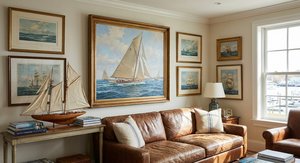
Boats on Canvas: 10 Masterpieces of Maritime Art for Your Home Decor
Sail away with 10 iconic boat paintings! Explore masterpieces by Monet, Van Gogh & Turner. Discover the stories behind these timeless seascapes and find museum-quality art reproductions for your home decor at AllPaintingsStore.com.

