


 Pregledaj u prostoru
 Pošalji
 Podeli
 Detalji o delu

 Преузми
 Slični predmeti
 Rendgenski snimak
 Slajdovi
Les mendiants


 Pročitaj više
Ručno rađena uljana reprodukcija
Ručno oslikano uljanim bojama na platnu u dimenzijama i okviru po vašem izboru, izrađeno po porudžbini od strane naših umetnika. ( Kupi print Kupi digitalnu sliku)




P118B $10

P118H $10

P118W $10

P438Z $10

P508JH $12

P508YH $12

P805H $10

P805Z $10

P919BZ $10

P919G $10

P919XJ $10

P959ZH $10

P968JZ $12

W106C $8

W218G $10

W218JH $8

W218Y $10

W307PJ $10

W316G $10

W316PJ $8

W316Y $10

W398PJ $8

W4111J $10

W500HY $15

W500JH $15

W692G $12

W849H $8

W940BG $15

W953PJ $8




Izaberite jednu od naših unapred definisanih veličina koje odgovaraju originalnim proporcijama umetničkog dela.

Можете унети сопствене димензије како бисте прилагодили дело одређеном оквиру или простору. Ако одабрана величина не одговара пропорцијама оригинала, слика ће бити исечена или проширена додатним елементима који се ручно насликавају. Дигитални prikaz ће вам бити послат на одобрење пре почетка производње.
Имајте на уму да преглед на екрану не одражава стварно исецање или проширење. Само приказ (mockup) ће тачно приказати коначну композицију.
Иако су доступне прилагођене величине, препоручујемо да одаберете димензију из дефинисане листе како бисте сачували оригиналне пропорције.
Nakon narudžbine, tim AllPaintingsStore.com će klijentu putem e-pošte poslati uputstva i dostaviti prikaz predloženog rešenja
Isporuka širom sveta () za 3/4 nedelje umesto uobičajenih 5 nedelja. (17 август). Bez kompromisa po pitanju kvaliteta.

Besplatna ekspresna dostava širom sveta

Visokokvalitetno laneno platno

Kompletno osiguranje transporta

Garancija povraćaja carine i uvoznih dažbina

Garancija vernosti boja

Politika povrata u roku od 60 dana (samo u slučaju nedostataka)

Garancija povrata novca od 100%

Popust pri grupnoj kupovini
 Opcija sa staklom dostupna je samo za dimenzije manje od 110 cm

Les mendiants
Tehnika reprodukcije
Dimenzije reprodukcije
-


Konačna cena
$ 433
Opis umetničkog dela
A Window into 17th-Century France: The Stark Realism of *Les Mendiants*
Sébastien Bourdon’s *Les Mendiants*, painted around 1645, isn't merely a depiction of beggars; it’s a meticulously crafted tableau that plunges the viewer directly into the heart of 17th-century France – a nation grappling with poverty, social injustice, and the lingering scars of war. This genre painting, housed within the hallowed halls of the Louvre Museum in Paris, transcends simple observation to become a poignant commentary on humanity’s vulnerability and the complexities of charity. Bourdon, deeply influenced by the artistic currents flowing from Rome – particularly the dramatic lighting and emotive storytelling championed by Caravaggio – masterfully utilizes composition, color, and line to evoke a powerful sense of empathy and social critique.
The scene unfolds within the ruins of an ancient structure, a deliberate choice that immediately establishes a mood of decay and transience. A group of mendicants—men, women, and children – are rendered with remarkable realism, their faces etched with hardship and desperation. They’re not idealized figures; Bourdon presents them as individuals, each bearing the marks of poverty and suffering. A subtle yet crucial element is introduced by a wheelbarrow positioned strategically in the foreground, hinting at labor, perhaps scavenging for scraps or transporting meager possessions – a visual representation of their struggle for survival. The composition itself is carefully balanced, drawing the eye towards the central archway that frames the crumbling backdrop, creating a sense of immediacy and inviting the viewer to contemplate the scene’s gravity.
The Language of Light and Shadow: Bourdon's Baroque Technique
Bourdon’s technical prowess is immediately apparent in his masterful manipulation of light and shadow. The painting is dominated by a diffused, natural light emanating from the left side, casting soft shadows that sculpt the figures and highlight certain areas of the ruins. This chiaroscuro effect – a hallmark of Baroque art – not only adds depth and volume but also intensifies the emotional impact of the scene. The muted earth tones—browns, grays, and creams—are skillfully blended to create a sense of atmospheric perspective, with distant elements appearing paler and less distinct. The brushstrokes are relatively smooth, contributing to a realistic representation of textures – from the rough fabrics of the beggars’ clothing to the weathered surfaces of the stone.
- Oil on Canvas: Bourdon's choice of medium—oil paint on canvas—allowed for rich color saturation and subtle gradations in tone, essential for achieving the painting’s nuanced realism.
- Linear Perspective: The use of linear perspective creates a convincing illusion of depth, drawing the viewer into the scene and emphasizing the vastness of the ruined landscape.
- Atmospheric Perspective: The subtle blurring of distant elements reinforces the sense of spatial recession and adds to the painting’s overall atmosphere.
Symbolism and Social Commentary
Beyond its technical brilliance, *Les Mendiants* is laden with symbolic meaning. The ruins themselves represent decay, loss, and the passage of time – a potent metaphor for the fragility of human existence. The mendicants, as figures soliciting alms, evoke feelings of pity, compassion, and social concern. Their presence serves as a stark reminder of the inequalities inherent in society and the responsibility of the wealthy to care for the less fortunate. The inclusion of the wheelbarrow subtly suggests the cycle of poverty and the constant struggle for survival. The painting’s overall mood is somber but not overtly tragic; it invites reflection rather than despair, prompting viewers to consider their own role in addressing social injustice.
A Legacy of Dramatic Realism
Bourdon's *Les Mendiants* stands as a pivotal work within the tradition of 17th-century Dutch genre painting and a significant precursor to later artistic movements. Its influence can be seen in works by Francisco Goya, who was known to have owned a copy of this painting. The scene’s stark realism, coupled with its powerful emotional resonance, cemented Bourdon's reputation as one of the most accomplished artists of his time – an artist capable of capturing not only the outward appearance of reality but also the underlying complexities of human experience.
Srodna umetnička dela


Biografija umetnika
Majstor svetlosti i svestranosti: Život Sebastijena Burdon
Sébastien Bourdon (1616–1671) ostaje jedna od najočaravajućih i najvišestranijih figura francuskog baroka sedamnaestog veka. Rođen u Monpeljeu u porodici protestantskih umetnika, njegovo rano detinjstvo oblikovale su živopisne, ali često nemirne umetničke tradicije južne Francuske. Njegov put od mladog šegrta do temeljnog člana Académie Royale de Peinture et de Sculpture svedočanstvo je dubokog, nemirnog intelekta i neprevaziđene sposobnosti da upije stilske struje cele Evrope. Nakon rane obuke u Parizu, Burdonov put ga je vodio preko Bordoa i Tuluze pre nego što je stigao do duhovnog i umetničkog srca kontinenta: Rima. Upravo je u Italiji njegov talenat istinski prodisnuo, dok se prepinjao delima majstora kao što su Caravaggio, Nicolas Poussin i Claude Lorrain. Ovaj period intenzivnog proučavanja omogućio mu je da razvije jedinstven vizuelni jezik — onaj koji je mogao da pređe sa grubog, dramatičnog realizma karavađista na svetlost i klasičnu eleganciju venecijanske škole.Evolucija stila i tehnike
Ono što istinski izdvaja Burdonovo delo jeste njegova izuzetna stilska fluidnost, osobina koja je kod njegovih savremenika ponekad izazivala i divljenje i kritiku. Njegov razvoj obeležen je nizom transformativnih susreta sa različitim evropskim tradicijama. Nakon ključne posete Veneciji, njegova paleta je prošla kroz duboku metamorfozu; oštri kontrasti njegove rane obuke ustupili su mesto bogatijoj, atmosferskoj upotrebi boje inspirisanoj venecijanskim majstorima. Ova evolucija omogućila mu je da majstorski upravlja različitim žanrovima. U portretizmu je često usvajao Rubensian pristup ili je preferirao intimne kompozicije u obliku busta koje su dočaravale psihološku dubinu i eleganciju njegovih subjekata, poput švedske plemkinje u delu Grofica Ebba Sparre. Nasuprot tome, njegova religiozna dela koristila su dramatični chiaroscuro kako bi izazvala duhovni strahopoštovanje, što je najuočljivije u njegovom monumentalnom remek-delu, Razapnanju Svetog Petra, kreiranom za katedralu Notre Dame.Nasleđe i istorijski značaj
Pored njegovih pojedinačnih platna, Burdon je odigrao ključnu ulogu u institucionalizaciji francuske umetnosti. Kao suosnivač Kraljevske akademije 1648. godine, pomogao je u uspostavljanju standarda izvrsnosti koji će definisati francusko slikarstvo generacijama. Njegova karijera je takođe bila obeležena izvanrednom širinom delovanja; njegova reputacija vrhunskog portretiste odvela ga je na dvor kraljice Kristina Švedske, gde je služio kao dvorski slikar, donoseći sofisticiranu estetiku Pariza i Rima u Stokholm. Bilo da je prikazivao jezivu napetost u delu Mojsije i mesingana zmija ili spokojnu veličinu klasičnog pejzaža, Burdonovo delo otelotvoruje dvostruki duh barokne ere: intenzivnu emocionalnu dramu ljudskog postojanja i uravnoteženo, intelektualno težnje ka klasičnoj lepoti. Njegova sposobnost da sintetizuje naturalističke tradicije Francuske sa monumentalnim stilovima Italije osigurava mu trajno mesto u panteonu evropske istorije umetnosti.
Sebastijan Burdon
1616 - 1671 , Francuska
Osnovne informacije
- Artistic Movement Or Style: Barok
- Artists Or Movements Influenced By This Artist: ['Francuska barokna umetnost']
- Artists Who Influenced This Artist:
- Nicolas Poussin
- Claude Lorrain
- Caravaggio
- Date Of Birth: 2. februar 1616.
- Date Of Death: 8. maj 1671.
- Full Name: Sébastien Bourdon
- Nationality: Francusko
- Notable Artworks:
- Razapinje Svetog Petra
- Spuštanje sa krsta
- Place Of Birth: Montpellier, Francuska
Povezani članci
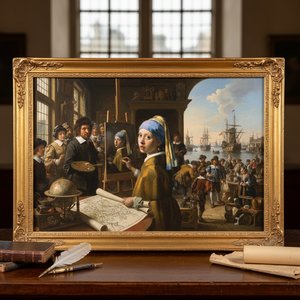
Golden Age Reflections: Dutch Baroque Painting & Cultural Innovation
Explore the Dutch Golden Age of painting! Discover key artists like Vermeer & ter Borch, their innovative techniques, and the rich cultural context behind these Baroque masterpieces. Learn about collecting & appreciating this iconic art period.

Chiaroscuro and Character: A Definitive Guide to Light and Shadow in the Dutch Baroque Era
Explore the dramatic mastery of the Dutch Baroque era. Discover how masters like Rembrandt used chiaroscuro to transform everyday life into timeless art. An expert guide for collectors and enthusiasts seeking to understand the profound interplay of light and shadow.
Dutch Baroque Masters: 10 Paintings That Shaped an Era | AllPaintingsStore
Journey through the Golden Age with our guide to the Top 10 Dutch Baroque masterpieces! Explore iconic paintings by Rembrandt, Vermeer & Frans Hals. Find museum-quality art reproductions and elevate your home decor at AllPaintingsStore.com.

Genre Painting: A Window into Daily Life & Societal Values of the Dutch Golden Age
Explore the captivating world of Dutch Golden Age genre painting! Discover realistic depictions of daily life, masterful artists like Ostade & Metsu, and hidden symbolism. Learn about this influential art movement with AllPaintingsStore.
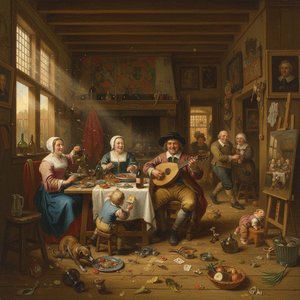
Jan Steen: A Master of Dutch Genre Painting & the Golden Age
Explore the life & art of Jan Steen, a leading Dutch Golden Age painter renowned for his humorous genre scenes & insightful social commentary. Discover his techniques, legacy, and collecting tips.



