


 Pregledaj u prostoru
 Podeli
 Podeli
 Detalji
 Vodič
Vodič

 Preuzmi sliku
 Slični predmeti
 Rendgenski snimak
 Automatska prezentacija
 Statistika
Лутиста
 Ulje
Ulje- Umetnost za zidove
- Baroque
 1667
1667- Rani modernizam
 53.0 x 39.0 cm
 Staatliche Museen Kassel
 Pročitaj više
Ručno rađena uljana reprodukcija
Ručno oslikano uljanim bojama na platnu u dimenzijama i okviru po vašem izboru, izrađeno po porudžbini od strane naših umetnika. ( Pređi na prodaju štampanih primeraka Pređi na prodaju digitalnih slika)




P118B $10

P118H $10

P118W $10

P438Z $10

P508JH $12

P508YH $12

P805H $10

P805Z $10

P919BZ $10

P919G $10

P919XJ $10

P959ZH $10

P968JZ $12

W106C $8

W218G $10

W218JH $8

W218Y $10

W307PJ $10

W316G $10

W316PJ $8

W316Y $10

W398PJ $8

W4111J $10

W500HY $15

W500JH $15

W692G $12

W849H $8

W940BG $15

W953PJ $8




Izaberite jednu od naših unapred definisanih veličina koje odgovaraju originalnim proporcijama umetničkog dela.

Možete uneti sopstvene dimenzije kako biste prilagodili umetničko delo određenom okviru ili prostoru. Ako odabrana veličina ne odgovara proporcijama originala, slika će biti isečena ili proširena dodatnim elementima koji se ručno oslikavaju. Digitalni prikaz će vam biti poslat na odobrenje pre početka proizvodnje.
Imajte na umu da pregled na ekranu ne odražava stvarno prisecanje ili proširenje. Samo mockup će precizno prikazati konačnu kompoziciju.
Iako su dostupne prilagođene veličine, preporučujemo da izaberete dimenziju iz unapred definisane liste kako biste sačuvali originalne proporcije.
Nakon narudžbine, tim AllPaintingsStore.com će klijentu putem e-pošte poslati uputstva i dostaviti prikaz predloženog rešenja
Svetska isporuka () za 3/4 nedelje umesto uobičajenih 5 nedelja. (21 септембар). Bez kompromisa po pitanju kvaliteta.

Besplatna ekspresna dostava širom sveta

Visokokvalitetno laneno platno

Sveobuhvatno osiguranje transporta

Garancija povraćaja carine i uvoznih dažbina

Garancija vernosti boja i autentičnosti pri reprodukciji

Politika povraćaja u roku od 100 dana (samo u slučaju nedostataka)

Garancija povrata 100% novca

Popust pri većoj količini
 Opcija sa staklom dostupna je samo za dimenzije manje od 110 cm

Лутиста
Tehnika izrade reprodukcije
Veličina reprodukcije
-


Ukupna cena
$ 258
A Window into Dutch Domestic Life: Gerard ter Borch’s “The Lute Player”
Gerard ter Borch's "The Lutenist," painted in 1667, transcends mere portraiture; it’s a meticulously crafted snapshot of seventeenth-century Dutch bourgeois society—a scene brimming with understated elegance and psychological depth. This captivating artwork resides within the Kunsthistorisches Museum Wien’s collection, offering viewers an unparalleled glimpse into the refined tastes and intellectual pursuits of the era.Subject Matter and Composition
The painting depicts a woman seated comfortably in a chair, accompanied by a lute player. The woman is engrossed in reading a book, while her gaze drifts towards the lute instrument—a gesture that speaks volumes about the importance placed on education and contemplation within Dutch households during this period. Notably, a piano sits discreetly in the background, hinting at the burgeoning musical culture of the time and subtly elevating the domestic setting beyond the ordinary. Ter Borch’s masterful composition utilizes chiaroscuro – dramatic contrasts between light and shadow – to sculpt the figures and create an atmosphere of intimacy and quiet contemplation. The positioning of the chairs emphasizes a sense of relaxed formality, reflecting the values of the upper middle class.Style and Technique: Rembrandt's Legacy
Ter Borch’s artistic style is undeniably influenced by Rembrandt van Rijn, his predecessor and arguably the most celebrated painter of the Dutch Golden Age. Like Rembrandt, ter Borch employed a technique characterized by exceptional realism—a painstaking attention to detail that captures not only physical appearance but also subtle nuances of expression and texture. The artist achieved this remarkable level of accuracy through meticulous layering of glazes – thin translucent coats of paint applied over multiple sessions – resulting in an astonishingly luminous surface. This technique, perfected by Rembrandt himself, allows for the depiction of light as it interacts with surfaces, creating a palpable sense of depth and atmosphere.Historical Context: The Enlightenment’s Quiet Influence
“The Lute Player” emerges from the broader context of the Dutch Enlightenment—a period marked by intellectual curiosity and a fascination with observation and reason. Ter Borch's depiction aligns perfectly with this cultural ethos, portraying a scene that prioritizes intellectuality alongside domestic tranquility. The lute itself symbolizes musical refinement and erudition, reflecting the humanist ideals prevalent during the era. Furthermore, the inclusion of the piano underscores the growing interest in scientific inquiry and artistic innovation—a testament to the dynamism of Dutch culture at the time.Symbolism: Beyond Appearance
Beyond its visual splendor, “The Lute Player” is laden with symbolic significance. The woman’s reading posture represents intellectual engagement and moral virtue – qualities highly valued within Dutch society. Her gaze towards the lute suggests a harmonious balance between contemplation and artistic appreciation. The book symbolizes knowledge and learning, while the lute embodies musical artistry and sophistication. Ter Borch skillfully conveys these ideas through subtle gestures and facial expressions, inviting viewers to contemplate the complexities of human experience.Emotional Impact: A Moment Frozen in Time
Ultimately, “The Lute Player” succeeds in capturing a fleeting moment of domestic serenity—a scene imbued with warmth and understated beauty. The artist’s masterful use of chiaroscuro evokes a profound sense of intimacy, drawing viewers into the quiet contemplation of the figures depicted. It's a painting that speaks to our enduring fascination with human connection and the pursuit of intellectual enrichment—a timeless masterpiece that continues to resonate with audiences centuries after its creation.Srodna umetnička dela


Biografija umetnika
**predstavnik holandske žanrovske slike**
Gerard ter Borch, istaknuta figura hollandskog zlatnog doba, ostavio je neizbrisiv trag u svetu umetnosti svojim žanrovskim slikama. Rođen u decembru 1617. godine i preminut 8. decembra 1681. godine, Ter Borhov život bio je svedočanstvo njegove umetničke virtuoznosti.**rani život i uticaji**
Iako njegovi rani životni tragovi nisu detaljno dokumentovani, poznato je da je intenzivno putovao širom Evrope, obuhvatajući London, Nemačku, Francusku, Španiju i Italiju. Ovo bogato iskustvo proširilo je njegove umetničke vidike, oblikujući njegov jedinstveni stil. Njegova sestra, Gesina ter Borch, takođe je sledila umetničku karijeru, čime je dodatno učvrstila porodičnu umetničku predispoziciju.**istaknuta dela i dostignuća**
Njegov opus obeležili su remek-dela poput slike Pismo, koja predstavlja vrhunac njegove veštine u dočaravanju teksture i svetlosti. Delo Galan conversation (Galan conversation), koje je gravirao Johan Georg Vil, savršeno prikazuje umetnikovu sposobnost da prenese najsuptilnije emocije. Rano delo Čovek na konju (1634) svedoči o njegovom tada još uvek otkrivajućem talentu, dok slika Dolazak Adrijana Paua u Minster (1646) predstavlja značajno delo koje ističe njegovu narativnu moć.**muzeji i kolekcije koje čuvaju radove Ter Borcha**
Njegova međunarodna važnost potvrđena je prisustvom njegovih dela u najprestižnijim svetskim galerijama. Ermitaz poseduje jednu od najvećih kolekcija sa čak šest njegovih dela. Berlinski muzej takođe čuva šest komada, slaveći Ter Borhov globalni značaj, dok se tri njegove slike nalaze u cenjenoj kolekciji Getty Centra.**nasleđe i uticaj**
Uticaj koji je Ter Borch ostavio na holandske slikare poput Gabriela Metsua, Gerita Doua, Egloona van der Neera i Tomasa Vermeera dobro je dokumentovan. Njegov inovativni pristup žanrovskoj slici učinio ga je ključnom figurom u istoriji umetnosti.- za više informacija o Ter Borhovom životu i delima, posetite https://AllPaintingsStore.com/@/gerard-ter-borch
- istražite Muzej Boijmans Van Beuningen u Roterdamu, Holandija, koji prikazuje neke od Ter Borhovih savremenika na https://AllPaintingsStore.com/@@/a@d3arrk-museum-boijmans-van-beuningen-rotterdam-netherlands
- saznajte više o holandskom zlatnom dobu i njegovim značajnim umetnicima na https://en.wikipedia.org/wiki/dutch_golden_age

Gerard Ter Borch
1617 - 1681 , Holandija
Brzi pregled
- Artistic Movement Or Style: Žanrovsko slikarstvo
- Artists Or Movements Influenced By This Artist: ['Diego Velázquez']
- Artists Who Influenced This Artist:
- Gabriel Metsu
- Gerrit Dou
- Eglon van der Neer
- Johannes Vermeer
- Date Of Birth: decembar 1617.
- Date Of Death: 8. decembra 1681.
- Full Name: Gerard ter Borch
- Nationality: Holandski
- Notable Artworks:
- Pismo
- Galan konverzacija
- Čovek na konju
- Dolazak Adrijana Paua u Minster
- Place Of Birth: Zvole, Holandija
Srodni članci
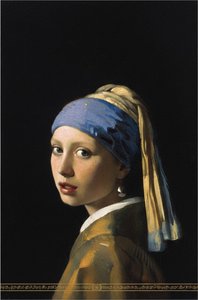
Zlatno doba Holandske umetnosti: Top 10 remek dela za vaš dom
Otkrijte remek dela Holandskog zlatnog doba! Uronite u svet Rembrandta, Vermeera i drugih majstora. 10 ikoničnih slika koje su definisale umetnost. Inspiracija za vaš dom i kolekciju - ekskluzivne reprodukcije na AllPaintingsStore.com!

Golden Light & Dutch Skies: The Timeless Magic of Dutch Golden Age Landscapes
Discover the breathtaking beauty of Dutch Golden Age landscapes. Explore the mastery of light, chiaroscuro, and 17th-century realism through an expert art history lens, celebrating the enduring legacy of the Dutch Masters for discerning collectors and art lovers.

Illuminating Innovation: Exploring the Dutch Golden Age of Painting
Explore the Dutch Golden Age of painting with AllPaintingsStore. Discover Rembrandt, Vermeer & other Masters. Learn about key characteristics, iconic artworks, and lasting influence. Expert insights for collectors & enthusiasts.
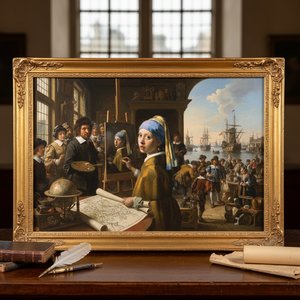
Golden Age Reflections: Dutch Baroque Painting & Cultural Innovation
Explore the Dutch Golden Age of painting! Discover key artists like Vermeer & ter Borch, their innovative techniques, and the rich cultural context behind these Baroque masterpieces. Learn about collecting & appreciating this iconic art period.

Mastering Light & Shadow: A Journey Through the Dutch Golden Age's Luminous Legacy
Embark on a cultural journey through the Dutch Golden Age. Explore the masterful interplay of light and shadow in 17th-century masterpieces, from Rembrandt to Vermeer, and discover how this era of profound realism continues to inspire fine art collectors today.


