


 Pregledaj u prostoru
 Pošalji
 Podeli
 Detalji o delu
 Vodič
Vodič

 Preuzmi
 Slični predmeti
 Rendgenski snimak
 Automatska prezentacija
 Q&A
Q&A Statistika
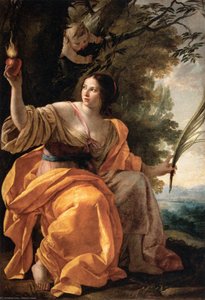
The Fortune Teller

- 95.0 x 135.0 cm


 Pročitaj više
Giclee štampa / Umetnički otisak
Giclée štampa ili print na platnu muzejskog kvaliteta uz brzu izradu i raznovrsne opcije završne obrade. ( Kupite ručno oslikano delo Pređi na digitalnu sliku)




P118B дин10

P118H дин10

P118W дин10

P438Z дин10

P508JH дин12

P508YH дин12

P805H дин10

P805Z дин10

P919BZ дин10

P919G дин10

P919XJ дин10

P959ZH дин10

P968JZ дин12

W106C дин8

W218G дин10

W218JH дин8

W218Y дин10

W307PJ дин10

W316G дин10

W316PJ дин8

W316Y дин10

W398PJ дин8

W4111J дин10

W500HY дин15

W500JH дин15

W692G дин12

W849H дин8

W940BG дин15

W953PJ дин8




Izaberite jednu od naših unapred definisanih veličina koje odgovaraju originalnim proporcijama umetničkog dela.

Unesite željenu širinu i visinu kako bi se štampa uklopila u vaš ram ili zid. Štampu je moguće samo iseći, ali nikada povećati iznad dimenzija originalne slike, stoga format sa drugačijim proporcijama uzrokuje gubitak dela slike. Pre početka štampe, poslaćemo vam digitalni prikaz radi potvrde. Slika prikazana na ovoj stranici ne predstavlja stvarni isrez — to pokazuje samo digitalni prikaz.
Dostava širom sveta () za 2 nedelje umesto uobičajenih 4/5 nedelja. (31 октобар)

Besplatna ekspresna dostava širom sveta

Visokokvalitetno laneno platno

Potpuno osiguranje transporta

Garancija povraćaja carine i uvoznih dažbina

Garancija vernosti boja

Politika povraćaja u roku od 100 dana (samo u slučaju nedostataka)

Garancija povrata 100% novca

Popust na više proizvoda
 Opcija sa staklom dostupna je samo za dimenzije manje od 110 cm

The Fortune Teller
Giclee štampa / Umetnički otisak
Dimenzije reprodukcije
-


Ukupna cena
дин 6670
The Enigmatic Allure of Simon Vouet’s “The Fortune Teller”
Simon Vouet's "The Fortune Teller," painted in 1617, isn’t merely a portrait; it’s a carefully constructed tableau brimming with intrigue and a palpable sense of the mystical. Housed within the venerable Galleria Nazionale d’Arte Antica in Rome, this oil on canvas invites viewers into a dimly lit chamber where the boundaries between reality and prophecy blur. Vouet, a pivotal figure bridging the Mannerist and Baroque eras, masterfully employs chiaroscuro – the dramatic interplay of light and shadow – to draw our attention to the central figures and imbue the scene with an almost theatrical intensity.
The composition itself is deliberately layered. At its heart sits a man, his features obscured by a wide-brimmed hat and a flowing beard, engaged in a hushed conversation. He holds an open book, seemingly offering guidance or revealing secrets. Flanking him are two women, their attire – one clad in vibrant red, the other in deep blue – adding splashes of color to the predominantly dark palette. Their attentive gazes suggest they are both recipients and observers of this unfolding drama. The background, rendered in muted tones, serves primarily as a backdrop, emphasizing the figures and creating an atmosphere of hushed anticipation.
A Masterclass in Baroque Technique
Vouet’s technique is a fascinating blend of influences. He absorbed the dramatic lighting favored by Caravaggio, but tempered it with a more refined elegance characteristic of French portraiture. Notice how light pools around the faces and hands, highlighting their expressions and gestures while leaving much of the scene shrouded in shadow. This creates a sense of depth and mystery, inviting speculation about the events taking place within the room. The brushstrokes are smooth and blended, contributing to the painting’s overall polished appearance – a hallmark of Vouet's style.
The use of *sfumato*, another technique borrowed from Leonardo da Vinci, is subtly present, softening edges and creating an atmospheric haze that further enhances the sense of depth. Vouet wasn’t simply replicating Caravaggio; he was adapting his innovations to suit the evolving tastes of the French court, resulting in a uniquely sophisticated style.
Symbolism and Historical Context
"The Fortune Teller" is steeped in symbolism, reflecting the prevailing fascination with astrology, divination, and the occult during the early 17th century. The book held by the central figure likely represents knowledge, prophecy, or perhaps even fate itself. The women, often interpreted as representing fortune tellers or advisors, are positioned to receive this information. The red and blue garments could symbolize different types of wisdom or guidance – a common motif in Renaissance art.
Painted during a period of significant artistic transition in France, Vouet’s work exemplifies the shift from the rigid formality of Mannerism towards the more dynamic and emotionally expressive style of the Baroque. His patronage by influential figures like Cardinal Richelieu helped establish him as one of the leading artists of his time, shaping the course of French painting for decades to come.
A Timeless Appeal: Reproduction Possibilities
The enduring appeal of “The Fortune Teller” lies in its ability to evoke a sense of mystery and intrigue. It’s a scene ripe with narrative possibilities, prompting viewers to imagine the story behind the figures and their exchange. Today, high-quality reproductions of this captivating artwork are available through AllPaintingsStore.com, meticulously crafted using traditional oil painting techniques and premium materials, ensuring that the drama and emotional depth of Vouet's original masterpiece are faithfully preserved. These reproductions offer a beautiful way to bring this iconic work into your home or office – a testament to the enduring power of art.
For further exploration, consider visiting the Galleria Nazionale d’Arte Antica in Rome or delving into online resources like the Web Gallery of Art (The Fortune Teller by VOUET, Simon) and exploring Valentin de Boulogne's work for a deeper understanding of Caravaggio’s influence.
Pitanja i odgovori
Koji umetnički pravac obuhvata „The Fortune Teller”, autor Симон Вуе?
„The Fortune Teller”, autor Симон Вуе pripada pravcu French Baroque. Ovaj pravac pruža stilski kontekst dela.
Gde mogu da kupim print dela „The Fortune Teller”, autor Симон Вуе?
Da biste naručili print dela „The Fortune Teller”, autor Симон Вуе, jednostavno ga poručite na njegovoj stranici Umetnički print: umetnička štampa na pamučnom platnu ili arhivskom kanvas papiru.
Od čega je izrađeno "The Fortune Teller" i u kom stilu?
U delu "The Fortune Teller", tehnika Oil On Canvas susreće pokret French Baroque.
Srodna umetnička dela




Biografija umetnika
Симон Вуе: Пионер француске бароке живописи
- Рођен: 9. јануар 1590, Париз, Француска
- Умро: 30. јун 1649, Париз, Француска
Симон Вуе је био кључна фигура у преласку француске живописи из манераizma ка барочном стилу. Рођен у umetničkoj породици – његов отац Лоран беше сликар, а брат Обен такође се бавио уметношћу – Вуе је добио рано образовање које је заложило темеље за његољски успех. Нијеком, Лудовико Дорињи, наставиће породичну уметничку наследницу.
Рани каријере и италијански утицаји (1608-1627)
- Ран портретирање: Вуе је започео кариjerу као портретиста, демонстрирајући рани таленат.
- Путовање у Енглетан (1608): У младим годинама, уз 14 година, путовао је у Енглетан да нареди портрет, приказујући своју растућу репутацију.
- Османско ханци и Венеција: Године 1611. Вуе се придружио окружујућем кругу барона де Сансија, француског посланика у Османско ханци, поново за портретирање. Ово путовање га је одвело кроз Константиноপল, а затим и до Венеције 1612. године.
- Рим (1614-1627): Није време у Риму променило га. Остао је тамо тринаест година, промишљавајући се у живописној umetničkoj сцени нарастајуће бароке периода.
Током свог италијанског боравка, Вуе је апсорбовао различит спектар утицаја. Изучио је драматичне технике осветљења које су пионерирао Караваџо, усвајивши елементе италијанског манераizma, а са посебном пажњом анализирао палете боја и di sotto in su (перспектива испод и изнад) које је користио Паоло Веронезе. Такође се инспирисао радовима Карачија, Гуерцина, Ланфранка и Гуидо Рени, синтетишући ове различите стилове у јединствену umetničку визију.
Развој Вуевог карактеристичног стила
- Избор у Академију Сан Лука (1624): Његов успех у Риму кулминирао је избором као председник престижној Академије ди Сан Лука, сведочанство о његово вештину и признању у италијанском umetničком свету.
- Синтеза утицаја: Вуев стил карактерисао се способношћу да апсорбује и дистилира различите уметничке утицаје. Он није само копирао; интегришао је ове елементе у кохерентну и јасно италијански барочну естетику.
- Увођење бароке у Француску: По свом повратку у Француску 1627. године, Вуе је играо кључну улогу у увођењу италијанског барочног стила у француску живопис, значајно утицавајући на umetnički pejzaж земље.
Главни достигнућа и наслеђе
- Премјер пејнтер ду Роа (Premier Peintre du Roi): Вуе је именован Premier peintre du Roi (Први сликар краља) – позиција великог престижа и утицаја.
- Продуктивна раница: Одржавао је велику и активну раницу, обустављајући бројне уметнике који ће обликовати следећу генерацију француских сликара.
- Запамћени ученици: Међу његовим највтицајнијим ученицима били су Шарл Ле Бран (који касније организује све декоративно сликарство у Версају), Валентин де Булоњ, Шарл Алфонс ду Фресноа, Пјер Мињар, Јусташ Ле Суеур и Клод Мелан.
- Утицај на француску уметност: Вуев свој утицај проширио изван својих дела; његови ученици носио свој стил и технике шимље кроз Француску, успостављајући јединствено барочну школу живописа. Његов утицај је посебно очигледан у великим декоративним схемима које је наручио Луи XIV.
Историчко значајство
Наслеђе Симона Вуеа почива на његовој кључној uloци као моста између италијанске и француске уметности. Успешно је увозио динамику и великолепије италијанског барока, претварајући га у стил који је резоновао са укусима француског двора и аристократије. Његов утицај је несумњив у развоју француске живописи током 17. века, а његови доприноси данас се и даље препознају код историчара уметности.

Симон Вуе
1590 - 1649 , Francuska
Osnovne informacije
- Artistic Movement Or Style: Barokna slika
- Artists Or Movements Influenced By This Artist:
- Šarl Le Brun
- Valentin de Boulogne
- Francuska barokna slika
- Artists Who Influenced This Artist:
- Karamaggio
- Paolo Veronese
- Carracci
- Guercino
- Lanfranco
- Guido Reni
- Date Of Birth: 9. januar 1590.
- Date Of Death: 30. jun 1649.
- Full Name: Simon Vouet
- Nationality: Francuski
- Place Of Birth: Pariz, Francuska
Povezani članci

The Dramatic Flourish: Exploring the Baroque Movement's Enduring Legacy in Art History
Explore the dramatic world of Baroque art! Discover iconic artists like Caravaggio & Rubens, defining techniques, and its lasting impact on art history. Expert insights for collectors & enthusiasts at AllPaintingsStore.

Барокна драма: Уношење величине и емоција у савремене ентеријере
Откријте барокну драму и унесите величину у ваш ентеријер! AllPaintingsStore нуди ручно насликане репродукције, персонализоване портрете и стручне консултације за љубитеље класичне уметности. Потражите савршено дело већ данас!

The Enduring Legacy of Oil on Canvas: Technique, History & Aesthetic Impact
Explore the rich history & techniques of oil painting – from Renaissance masters to Impressionism. Discover pigments, layering methods, and why this timeless medium endures. Expert insights for artists & art enthusiasts.

The Enduring Power of Painting: A Historical & Contemporary Exploration of Form and Emotion
Explore the rich history & enduring techniques of oil painting with AllPaintingsStore. Discover masterpieces, learn about art collecting, and find authentic handmade reproductions crafted by skilled artists.

Simon Vouet: A Baroque Master's Journey from Italian Influence to French Classicism
Explore the life & art of Simon Vouet, a pivotal French Baroque painter who introduced Italian styles to France. Discover his masterpieces and lasting influence on 17th-century art.

