

Chained Prometheus
Oil On Canvas.

§ 1Catalogue data


§ 2Abstract
Opis predmeta
Witness the dramatic power of Peter Paul Rubens’ ‘Chained Prometheus’! This Baroque masterpiece captures a Titan's struggle against Zeus, showcasing vibrant colors and intense emotion.
 Pročitaj više
Biografija umetnika
Rubens: Бароковски мајстор познат по динамичним композицијама и живим бојама, као и по иконама као што су 'Склоњење Хреста' и 'Подноштво Хреста'. Истражите његов живот и уметност.
§ 3Commentary
The Tormented Titan: Unpacking Peter Paul Rubens’ “Chained Prometheus”
Peter Paul Rubens' "Chained Prometheus" is not merely a depiction of a Greek myth; it’s a visceral embodiment of struggle, defiance, and the enduring human spirit. Completed in his Antwerp studio around 1618 – often in collaboration with the skilled animalist Frans Snyders – this oil painting transcends its mythological subject matter to become a profound meditation on suffering, resilience, and the eternal conflict between individual will and divine authority. The scene unfolds with dramatic intensity: Prometheus, the Titan who gifted fire and knowledge to humanity, is brutally bound to a rocky crag, his body ravaged by an eagle’s relentless assault. This isn't a serene mythological tableau; it’s a raw, almost violent portrayal of punishment and endurance. The painting’s power lies in Rubens’ masterful command of Baroque technique. He employs *tenebrism*, a dramatic contrast between light and shadow, to heighten the emotional impact. The figure of Prometheus is bathed in an ethereal glow, highlighting his muscular physique and conveying a sense of heroic dignity despite his plight. Conversely, the surrounding landscape – rendered with meticulous detail by Snyders – is plunged into darkness, emphasizing the oppressive nature of his confinement. Notice how the jagged rocks and swirling clouds contribute to the overall feeling of chaos and despair. The use of color is equally striking: vibrant reds and oranges dominate Prometheus’s exposed flesh, symbolizing both his suffering and his fiery spirit, while cool blues and greens evoke the desolate wilderness surrounding him. Rubens' signature loose brushstrokes and dynamic composition – a deliberate departure from the rigid formality of earlier styles – contribute to the painting’s sense of movement and urgency. The myth of Prometheus is central to understanding this work. In Greek mythology, Prometheus defied Zeus by stealing fire from Mount Olympus and gifting it to humanity. As punishment for his transgression, he was chained to an unyielding rock, forced to have his liver devoured daily by an eagle – a symbol of divine retribution. Rubens doesn’t shy away from the brutality of this punishment; the graphic detail of the eagle's beak tearing into Prometheus’s flesh is both shocking and deeply affecting. However, it’s crucial to recognize that Rubens isn’t simply presenting a tale of suffering. Prometheus’s defiant gaze – locked onto the approaching predator – speaks volumes about his unwavering spirit and his refusal to submit to Zeus’s tyranny. He embodies the archetype of the rebel, the champion of humanity, willing to endure unimaginable torment for the sake of progress and enlightenment. The painting's historical context is equally important. Created during a period of religious upheaval and political instability in Europe, “Chained Prometheus” can be interpreted as an allegory for the struggles faced by artists and intellectuals under oppressive regimes. Rubens himself was a diplomat and court painter, navigating complex political landscapes while striving to maintain his artistic independence. The image of a Titan enduring relentless punishment resonates with those who challenged established authority – a theme particularly relevant during the Counter-Reformation, when the Catholic Church sought to reassert its dominance after the Protestant Reformation. The inclusion of Frans Snyders, known for his dramatic animal paintings, further emphasizes this connection, suggesting a shared interest in portraying powerful forces and their impact on human existence. Beyond its mythological narrative, “Chained Prometheus” offers a profound meditation on themes of sacrifice, resilience, and the enduring power of the human spirit. The painting’s emotional intensity – fueled by Rubens' masterful use of light, color, and composition – continues to captivate viewers centuries after its creation. It serves as a potent reminder that even in the face of overwhelming adversity, the capacity for defiance and hope remains an essential part of what it means to be human. The work’s legacy endures not only through its artistic merit but also as a timeless symbol of resistance against injustice and oppression.Pitanja i odgovori
Da li je „Chained Prometheus”, autor Сэр Пјетр Паул Рубенс poznato umetničko delo?
"Chained Prometheus" je klasifikovan kao Iconic.
Gde se "Chained Prometheus" nalazi u okviru opusa umetnika Сэр Пјетр Паул Рубенс?
„Chained Prometheus“ deli sa ostalim delima umetnika Сэр Пјетр Паул Рубенс svoj Baroque stil i prepoznatljive teme: caravaggio’s tenebrism, classical mythology”, “rebellion against authority”, “human suffering & defiance”, “rubens's dramatic style”, “counter-reformation themes”.
Kolika je luminansa dela „Chained Prometheus”, autor Сэр Пјетр Паул Рубенс?
„Chained Prometheus”, autor Сэр Пјетр Паул Рубенс ima luminancu od Soft Shadow. Luminanca opisuje koliko se čini da boje reflektuju svetlosti.
§ 4The artist
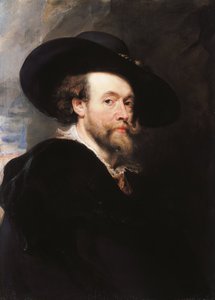
Сэр Пјетр Паул Рубенс
1577 - 1640, Германија
Osnovne informacije
- Artistic Movement Or Style: Барок
- Artists Who Influenced This Artist:
- Микеланђело
- Рафаел
- Тицијан
- Date Of Birth: 28. јун 1577.
- Date Of Death: 30. мај 1640.
- Full Name: Sir Peter Paul Rubens
- Nationality: Фламањец
- Notable Artworks:
- Десица из Хреста
- Подношље Хреста
- Портрет Изабеле Брант
- Place Of Birth: Сијеген, Германија
Biografija umetnika
Sir Peter Paul Rubens: A Baroque Master!
Peter Paul Rubens, a name that resonates with the very essence of Baroque dynamism, was far more than simply a painter. He was a diplomat, a scholar, and a cultural architect who fundamentally reshaped the artistic landscape of 17th-century Europe. Born in Siegen, Germany, in 1577, his early life was marked by displacement—a formative experience that would subtly permeate his later work with an undercurrent of drama and emotional depth. His father, Jan Rubens, a lawyer fleeing religious persecution for his Calvinist beliefs, uprooted the family from their native Antwerp, then under Spanish rule. This initial exile instilled in young Peter Paul a sense of resilience and adaptability, qualities that would serve him well throughout his multifaceted career. Following his father’s death in 1587, the family returned to Antwerp, where he received a humanist education before embarking on his artistic training around 1590, apprenticing under Tobias Verhaecht and Adam van Noort, honing foundational skills in drawing and painting techniques. However, it was his time with Otto van Veen that proved pivotal, exposing him to the rich legacy of Italian Renaissance art—a world he would soon embrace wholeheartedly.The Italian Awakening and Artistic Synthesis
In 1600, Rubens embarked on a transformative journey to Italy, a pilgrimage that irrevocably shaped his artistic vision. For eight years, he immersed himself in the masterpieces of Michelangelo, Raphael, and Titian, absorbing their mastery of form, color, and composition. The influence of these Renaissance giants is readily apparent in his early Italian works, characterized by classical themes and idealized figures. Yet, Rubens didn’t merely imitate; he synthesized these influences with his own innate talent, developing a distinctive style marked by vibrant hues, dynamic compositions, and a sensuous depiction of the human form. He studied anatomy meticulously, resulting in figures that possessed both physical realism and emotional power—robust bodies imbued with life and movement. This period wasn’t solely about artistic development; it was a profound intellectual awakening, fostering a deep appreciation for classical mythology and literature which would become recurring motifs throughout his oeuvre. Upon returning to Antwerp in 1608, Rubens swiftly established himself as the leading artist of his time, receiving a flood of commissions that testified to his burgeoning reputation and solidifying his position at the forefront of Flemish art.A Master of Many Forms: Painting Beyond Boundaries
Rubens’s artistic output was astonishingly diverse and prolific. He didn't confine himself to a single genre; instead, he excelled in history paintings, mythological scenes, portraits, landscapes, and religious works—a testament to his versatility and boundless creativity. His large-scale canvases, often intended for churches, palaces, and public spaces, were breathtaking displays of technical virtuosity and dramatic storytelling. The Descent from the Cross (c. 1616-1617) exemplifies his masterful use of light and shadow to create a scene of profound emotional intensity, drawing viewers into the heart of the narrative. The Raising of the Cross (1610-1611), with its swirling figures and dynamic composition, showcases his ability to convey movement and energy—a hallmark of his Baroque style. Even in seemingly static subjects like The Judgement of Paris (c. 1636), Rubens infused a sense of life and vitality through his vibrant color palette and sensual depiction of the human form. His technique was equally remarkable – a masterful command of oil painting, employing impasto to create texture and depth, alongside delicate glazing techniques to achieve luminous effects. He frequently employed allegorical figures and symbolic imagery, layering narratives with complex meanings that invited contemplation and interpretation.Diplomacy, Legacy, and Enduring Influence
Rubens’s influence extended far beyond the realm of art. His diplomatic skills were highly sought after by the Southern Netherlands (modern-day Belgium), and he undertook numerous missions to England, France, and Spain, negotiating treaties and fostering political alliances—a unique dual role that afforded him a nuanced perspective on European affairs and further enhanced his reputation as a man of intellect and influence. In 1622 he was commissioned by Maria de Medici, where he was quickly forced to hone a new skill set—the political maneuver. Cardinal Richelieu hated him, Maria was unpredictable, and the project eventually fell apart, leaving many works uncompleted. But Rubens still brought home a commission. After the death of his first wife in 1625, Rubens traveled again, this time wielding his skill in painting as a diplomatic tool. He traveled to England to work for King Charles I. In both France and England, Rubens arrived as a painter and left as a confidant of the powerful and dangerous. In his travels he negotiated allegiances for Isabella Clara Eugenia, the governor of the Spanish Netherlands. In exchange, Isabella bestowed knighthood on her loyal painter, and the artist became Sir Peter Paul Rubens. He continued to paint prolifically until his death in Antwerp in 1640, leaving behind a vast legacy that continues to inspire awe and admiration. His impact on subsequent generations of artists is immeasurable; painters like Anthony van Dyck, Jacob Jordaens, and Eugène Delacroix all drew inspiration from his dynamic compositions, vibrant colors, and sensuous figures. Rubens didn’t just define the Baroque style—he elevated painting to a new level of prestige and influence, solidifying Antwerp as a major center of artistic production during the 17th century. He remains, centuries later, a towering figure in the history of art, a testament to the power of human creativity and the enduring allure of Baroque splendor.Key Characteristics of Rubens’s Style
- Dynamic Composition: Rubens' paintings are known for their energetic and dramatic arrangements of figures.
- Vibrant Color Palette: He employed a rich, warm color scheme that brought his canvases to life.
- Sensuous Figures: His depictions of the human form were characterized by fullness, vitality, and often, overt sensuality.
- Masterful Use of Light and Shadow: Rubens skillfully manipulated light and shadow to create depth, drama, and emotional impact.
- Allegorical Symbolism: His works frequently incorporated allegorical figures and symbolic imagery, adding layers of meaning and complexity.
§ 5Comparanda
Srodna umetnička dela


§ 6Questions
§ 7Further reading
Povezani članci

The Dramatic Flourish: Exploring the Baroque Movement's Enduring Legacy in Art History
Explore the dramatic world of Baroque art! Discover iconic artists like Caravaggio & Rubens, defining techniques, and its lasting impact on art history. Expert insights for collectors & enthusiasts at AllPaintingsStore.

Peter Paul Rubens: A Baroque Master's Life, Legacy & Enduring Influence
Discover the life & art of Peter Paul Rubens, the most influential artist of the Flemish Baroque tradition. Explore his masterpieces, legacy, and impact on art history with AllPaintingsStore.

Барокна драма: Уношење величине и емоција у савремене ентеријере
Откријте барокну драму и унесите величину у ваш ентеријер! AllPaintingsStore нуди ручно насликане репродукције, персонализоване портрете и стручне консултације за љубитеље класичне уметности. Потражите савршено дело већ данас!

Baroque Classicism: Reconciling Drama & Order in 17th-Century Art
Explore the captivating world of Baroque Classicism! Discover its history, key artists like Caravaggio & Rubens, and defining characteristics. Expert insights & high-quality reproductions at AllPaintingsStore.

Barok Majstor dela: Top 10 Umjetničkih Remeka za Vaš Dom
Otkrijte 10 remek dela koja su definisala baroknu umetnost! Karavagio, Bernini i više – istražite priče iza ovih ikoničnih slika. Inspiracija za vaš dom? Pogledajte kolekciju na AllPaintingsStore.com!
Cite this entry
AllPaintingsStore.com, “Сэр Пјетр Паул Рубенс, Chained Prometheus”, https://allpaintingsstore.com/sr/art/sir-peter-paul-rubens-chained-prometheus-5ZKDWH-en/ArtistReproduction/ (accessed 1 октобар 2026).
§ 8The reproduction
Ručno rađena uljana reprodukcija
Ručno oslikano uljanim bojama na platnu u dimenzijama i okviru po vašem izboru, izrađeno po porudžbini od strane naših umetnika. ( Pređi na štampu Pređi na digitalnu sliku)
It is specified on the order sheet in the margin; the present state of that sheet reads as follows.

Chained Prometheus
Tehnika reprodukcije
Dimenzije reprodukcije
-

Vrhunski maestri umetnosti
Više detalja, prefinjenosti i dodatnog vremena za izradu
-

Okvir za reprodukciju
-
-
Za umetnička dela ili reprodukcije čija je bilo koja strana veća od 105 cm (približno 41 inč), okvir će biti isporučen u obliku rastavljenog seta za sklapanje. Ovaj metod osigurava bezbednu dostavu i sprečava oštećenja tokom transporta.
Potrebna je profesionalna montaža – ovo nije proizvod namenjen samostalnoj izradi.
Set mora sastaviti i platno zategnuti iskusni profesionalni ramitelj, koristeći drveni lepak (nije uključen u set), hvataljku za zatezanje platna i stege kako bi se održao prav ugao okvira dok se lepak suši. Nepravilno sklapanje ili neravnomerno zategnuto platno mogu trajno oštetiti umetničko delo, što nije pokriveno našom garancijom.
 Za umetnička dela ili reprodukcije čija je bilo koja strana veća od 105 cm (približno 41 inč), okvir će biti isporučen u obliku rastavljenog seta za sklapanje. Ovaj metod osigurava bezbednu dostavu i sprečava oštećenja tokom transporta.
Sve šipke od masivnog drveta su uključene, precizno isečene po veličini.
Montira se pomoću priloženih šrafova, uz dodatno korišćenje lepka za drvo za spojeve u uglovima, koji nije uključen u set i koji vaš čuvar okvira mora obezbediti.
Potreban je profesionalni alat koji nije uključen u set: klešta za zatezanje platna (zatezač) i stege za održavanje pravih uglova letvica tokom sušenja lepka.
Važno:
Za spojeve u uglovima neophodan je lepak za drvo, šipke se moraju pričvrstiti stezgama dok lepak potpuno ne osuši, a za zatezanje platna na sklopljenom ramu potrebne su hvataljke za zatezanje platna. Nijedan od ovih alata nije uključen u komplet. Pre naručivanja ove veličine, molimo Vas da unapred obezbedite iskusnog profesionalca za ramačenje.

Kratki opis natpisa
-
-

Zaštitni lak
Sjajni lak (pojačava intenzitet boja, štiti od svetlosti i vlage)
-

Personalizujte svoje umetničko delo
Primeri mogućnosti izmene: Zamena lica fotografijom kupca; Dodavanje ljubimca (npr. zamena mačke psom); Uključivanje skrivene poruke u pozadini; Promena pejzaža ili elemenata pozadine.
-

Hitna dostava
Svetska isporuka () za 3/4 nedelje umesto uobičajenih 5 nedelja. (29 октобар). Bez kompromisa po pitanju kvaliteta.
-
Brza dostava
Dostava širom sveta () u roku od 5 nedelja. (5 новембар).
Uključeno u cenu
Ukupna cena
дин 26711
Included with every order
- Besplatna ekspresna dostava širom sveta
- Visokokvalitetno laneno platno
- Potpuno osiguranje transporta
- Garancija povraćaja carine i uvoznih dažbina
- Garancija vernosti boja
- Politika povraćaja u roku od 100 dana (samo u slučaju nedostataka)
- Garancija povrata 100% novca
- Popust na više proizvoda


