


 Pregledaj u prostoru
 Pošalji
 Podeli
 Detalji o delu

 Преузми
 Slični predmeti
 Rendgenski snimak
 Slajdovi
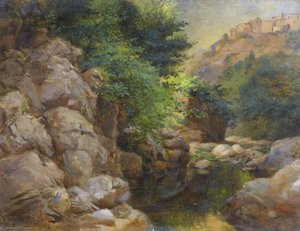
Threshing
 Impressionism
 50.0 x 76.0 cm
 Royal Scottish Academy of Art - Architecture
 Pročitaj više
Kupite digitalnu sliku visoke rezolucije i poboljšanog kvaliteta, koja je znatno superiornija od onoga što vidite u online prikazu.
Svaka datoteka je pedantno pripremljena od strane naših stručnjaka koristeći napredne alate i profesionalnu ručnu retušu. Osiguravamo da svaka slika ima izuzetnu oštrinu, preciznu reprodukciju boja i fine detalje.
Konačna datoteka se dostavlja putem e-pošte u roku od 72 sata, optimizovana za neposrednu upotrebu u profesionalnim, izdavačkim i štamparskim okruženjima. To je isti kvalitet kojem veruju vrhunski studiji dizajna, izdavači i galerije.
Digitalna slika
Preuzmite datoteku visoke rezolucije za ličnu upotrebu, štampanje i kreativne projekte. ( Kupi print Kupi ručno naslikanu sliku)
Uključeno uz svaku porudžbinu digitalne slike
Profesionalna digitalna isporuka, zagarantovana
Kada odaberete AllPaintingsStore.com, ne dobijate samo sliku – vi primate profesionalno unapređeno digitalno umetničko delo, izrađeno sa najvećom preciznošću i uz garanciju zadovoljstva. Evo svega što automatski dolazi uz vašu porudžbinu:

Brza dostava putem e-pošte
Vaša digitalna slika visoke rezolucije biće vam poslata putem e-pošte u roku od 72 sata od poručivanja – spremna za trenutnu upotrebu.

Digitalna datoteka unapređena veštačkom inteligencijom
Vaše umetničko delo je profesionalno optimizovano korišćenjem naprednih AI alata i ručne obrade, čime se osiguravaju maksimalni detalji, oštrina i preciznost boja.

Besplatna ponovna isporuka doživotno
Slučajno ste obrisali ili izgubili svoju datoteku? Ne brinite – poslaćemo vam je ponovo u bilo kom trenutku, potpuno besplatno.

Bez troškova uvoza – zauvek
Uživajte u svojim umetničkim delima trenutno, bez carine, dažbina ili troškova dostave – digitalni download je uvek bez poreza.

Garancija vernosti boja
Uz pomoć profesionalnih alata i upravljanja bojama, osiguravamo da vaša digitalna slika što vernije odražava originalne boje.

Garancija zadovoljstva u roku od 60 dana
Ako niste zadovoljni svojom digitalnom slikom, revidirat ćemo je ili vratiti 100% novca u roku od 60 dana – bez ikakvih pitanja.

100% garancija povrata novca
Niste zadovoljni? Obezbedite pun povrat novca u roku od 60 dana od trenutka kada ste primili svoju digitalnu datoteku – bez suvišnih pitanja.

Popusti na velike porudžbine
Kupite 3 slike, uštedite 10% - Kupite 5 slika, uštedite 15% - Kupite 10+ slika, uštedite 20%. Odlično za kreativne projekte, galerije i agencije.
Srodna umetnička dela




Biografija umetnika
Thomas Austen Brown: A Visionary of Victorian Hospitals
Thomas Austen Brown (1859-1924) remains a quietly significant figure in 19th-century British art, often overshadowed by the grand narratives of the Hudson River School and the Pre-Raphaelites. Yet, within his distinctive oeuvre lies a profound exploration of human experience, particularly as witnessed through the lens of Victorian hospitals and charitable institutions. Born in London, Brown’s artistic journey was shaped by a deep empathy for the marginalized and vulnerable, a sensibility that profoundly informed his unique style and subject matter.
Early influences are somewhat elusive, though it's believed he initially studied under John Atkinson Grimshaw, a prominent figure in the Northern School of Painting. However, Brown quickly developed an independent voice, characterized by a loose, expressive brushwork and a remarkable ability to imbue his subjects with a palpable sense of humanity. His early works often depicted scenes from rural life – farmers, shepherds, and laborers – rendered with a gentle realism that hinted at the social commentary to come. Crucially, he began to frequent hospitals and asylums in London, documenting the lives of patients and staff, initially sketching for personal observation but soon recognizing the potential for artistic expression.
The Hospital Series: A Chronicle of Suffering and Compassion
Brown’s most celebrated work revolves around a series of paintings depicting hospital life. These weren't idealized portrayals of medical care; instead, they offered unflinching glimpses into the realities of illness, poverty, and institutional existence. He meticulously observed the routines of nurses, the expressions of patients – often those afflicted with debilitating diseases or mental illnesses – and the quiet dignity amidst hardship. His subjects were rarely posed; he captured them in their natural states, conveying a sense of immediacy and authenticity that was remarkably rare for artists of his time.
Works like “Feeding the Pigeons” (1895) exemplify this approach. The painting depicts a nurse tending to patients outside a hospital window, with pigeons pecking at crumbs scattered on the pavement below. It’s not merely a scene of charity; it's an exploration of isolation, vulnerability, and the fleeting moments of connection between caregiver and patient. Similarly, “The Bait Gatherers” (1895) portrays a family struggling to earn a meager living, highlighting the social conditions that often contributed to illness and suffering. These paintings weren’t intended as moralistic statements but rather as empathetic investigations into the human condition.
Brown's technical approach was deliberately loose and impressionistic. He favored broad brushstrokes and vibrant colors, eschewing meticulous detail in favor of capturing the overall mood and atmosphere of his subjects. This technique served to heighten the emotional impact of his work, conveying a sense of immediacy and vulnerability that resonated deeply with viewers.
Influences and Artistic Connections
While Brown’s style is undeniably unique, he was undoubtedly influenced by several key artistic movements and figures. The works of Jean-François Millet, particularly his depictions of peasant life, are evident in Brown's attention to detail and his focus on the struggles of ordinary people. The atmospheric effects of J.M.W. Turner also played a role, as Brown sought to capture the fleeting light and shadow that defined the hospital environment. Notably, he maintained correspondence with Asher Brown Durand, a leading figure in the Hudson River School, exchanging ideas about landscape painting and artistic practice.
Furthermore, his work shares thematic resonances with the social realism of artists like Gustave Courbet, who similarly sought to depict the lives of the working class without romanticizing or idealizing their experiences. The Musée Thomas-Henry in Évreux, France, houses a significant collection of Brown’s paintings, offering visitors a rare opportunity to experience his distinctive artistic vision firsthand.
Legacy and Historical Significance
Thomas Austen Brown's contribution to British art is often overlooked, yet his work remains profoundly moving and historically significant. He was one of the first artists to systematically document hospital life, providing valuable insights into the social conditions of Victorian England and the experiences of its most vulnerable citizens. His paintings are not merely aesthetically pleasing; they are powerful testaments to human compassion and a reminder of the importance of empathy in art.
Today, Brown’s work is increasingly recognized for its psychological depth and its ability to evoke a sense of shared humanity. His legacy extends beyond the realm of fine art, as his paintings continue to be studied by social historians and medical researchers seeking to understand the history of healthcare and the lives of those who received care within Victorian institutions.

thomas austen brown
1859 - 1924
Kratke činjenice
- Artistic Movement Or Style: Hospital Art
- Artists Or Movements Influenced By This Artist: ['Victorian Art']
- Artists Who Influenced This Artist: ['Jean-François Millet']
- Date Of Birth: 1859
- Date Of Death: 1924
- Full Name: Thomas Austen Brown
- Nationality: British
- Notable Artworks:
- Feeding the Pigeons
- The Bait Gatherers
- Place Of Birth: London, England



