


 Pregledaj u prostoru
 Podeli
 Podeli
 Detalji
 Vodič
Vodič

 Preuzmi sliku
 Slični predmeti
 Rendgenski snimak
 Automatska prezentacija
 Statistika
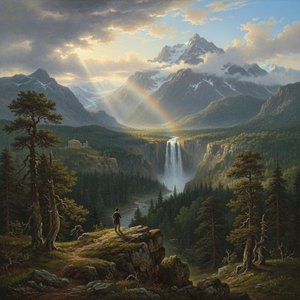
Jedburgh Abbey
 Romantic Landscape
 71.0 x 92.0 cm
 Harris Museum - Art Gallery
 Pročitaj više
Giclee štampa / Umetnički otisak
Giclée štampa ili print na platnu muzejskog kvaliteta uz brzu izradu i raznovrsne opcije završne obrade. ( Naručite ručno oslikano reprodukciju Pređi na prodaju digitalnih slika)




































Izaberite jednu od naših unapred definisanih veličina koje odgovaraju originalnim proporcijama umetničkog dela.

Unesite širinu i visinu koja vam je potrebna, kako bi se uklopili u vaš ram ili na vaš zid. Štampa se može samo iseći, nikada ne može biti veća od originalne slike, stoga format sa drugačijim proporcijama gubi deo slike. Poslaćemo vam digitalni prikaz radi potvrde pre nego što započnemo štampu. Slika prikazana na ovoj stranici ne pokazuje stvarni rez — to pokazuje samo digitalni prikaz.
Dostava širom sveta () za 2 nedelje umesto uobičajenih 4/5 nedelja. (25 октобар)

Besplatna ekspresna dostava širom sveta

Visokokvalitetno laneno platno

Sveobuhvatno osiguranje transporta

Garancija povraćaja carine i uvoznih dažbina

Garancija vernosti boja i autentičnosti pri reprodukciji

Politika povraćaja u roku od 100 dana (samo u slučaju nedostataka)

Garancija povrata 100% novca

Popust pri većoj količini
 Opcija sa staklom dostupna je samo za dimenzije manje od 110 cm

Jedburgh Abbey
Giclee štampa / Umetnički otisak
Veličina reprodukcije
-


Ukupna cena
дин 6599
Srodna umetnička dela


Biografija umetnika
Tom Anderton: Pioneer of Canadian Landscape Painting
Tom Anderton (1894–1956) was a British-born Canadian landscape painter who achieved international acclaim for his distinctive style and contribution to the Group of Seven movement. Born in London, England, he emigrated to Canada in 1920 seeking inspiration from the vast wilderness landscapes of Ontario and Quebec. This move profoundly shaped his artistic vision and cemented his place as one of Canada’s most celebrated artists.- Early Life & Education: Anderton received a formal education at Marlborough College and later studied at Slade School of Fine Art in London, honing his skills in traditional academic painting techniques. However, he quickly abandoned these conventions for a more expressive approach rooted in observation and emotion.
- Influences: His artistic sensibilities were significantly impacted by Impressionism and Post-Impressionism, particularly the works of Claude Monet and Vincent van Gogh. These influences instilled in him a fascination with capturing fleeting moments of light and color—a characteristic that would become central to his oeuvre.
The Group of Seven & Canadian Landscape Style
Anderton joined the Group of Seven in 1923, alongside artists like Franklin Carmichael, Arthur Hemingway, Lawren Harris, Albert Moore, J.E.H MacDonald and Frederick Varley. This influential collective championed a bold new vision for Canadian art—one that prioritized capturing the grandeur and spirit of the Canadian wilderness. Anderton’s paintings exemplify this style through their masterful use of impasto technique—thickly applied paint—creating textured surfaces that convey palpable energy and atmosphere. He skillfully rendered landscapes with luminous colors, emphasizing tonal variations and dramatic compositions.- Signature Style: Anderton's distinctive approach involved layering brushstrokes to build up texture and depth, mirroring the rugged beauty of Canadian vistas. His palette favored muted hues—greens, browns, blues—reflecting the subtle nuances of natural light.
- Notable Works: Among his most iconic paintings are “Fisherman,” “Brindle Village Evening” and “Upland Landscape with Bridge.” These pieces showcase Anderton’s ability to convey both visual splendor and psychological resonance.
Development & Artistic Evolution
Throughout his career, Anderton continued to refine his technique and explore new subjects—primarily focusing on Canadian landscapes and portraits. He embraced experimentation with color and texture, pushing the boundaries of traditional painting while maintaining a steadfast commitment to capturing the essence of nature’s majesty. His artistic journey mirrored the broader cultural shifts occurring in Canada during the interwar period, reflecting a growing appreciation for indigenous traditions and a desire to forge a uniquely Canadian artistic identity.- Later Years: Anderton established a studio in Toronto and taught at Ontario College of Art, nurturing young talent and disseminating his artistic principles.
- Legacy: Tom Anderton’s enduring legacy resides in his pioneering role within the Group of Seven and his contribution to establishing Canadian landscape painting as an internationally recognized genre. His paintings continue to inspire artists and viewers alike—serving as a testament to the transformative power of observation and artistic expression.
Historical Significance & Recognition
Anderton’s work gained considerable acclaim during his lifetime, securing prominent positions in Canadian art history. He was recognized for his stylistic innovation and emotional depth, solidifying his reputation as a visionary artist who captured the spirit of Canada's wilderness. Today, Anderton’s paintings are housed in major museums across North America—including the National Gallery of Canada and the Art Institute of Chicago—demonstrating the lasting impact of his artistic endeavors on Canadian culture and art scholarship.
Tom Anderton
1894 - 1956
Brzi pregled
- Full Name: Tom Anderton
- Nationality: Australian
- Date Of Birth: 1894
- Date Of Death: 1956
- Place Of Birth: Melbourne, Australia
- Notable Artworks:
- Fisherman, Upland Landscape with Bridge (1)
- Fisherman, Upland Landscape with Bridge (2)
- Brindle Village Evening
- Artistic Movement Or Style: Group of Seven
- Artists Who Influenced This Artist: ['Maurice Whistler']
- Artists Or Movements Influenced By This Artist: ['Group of Seven']
Srodni članci
Evoking Nature's Sublime: A Comprehensive Exploration of 19th-Century Landscape Painting
Explore the captivating world of 19th-century landscape painting! Discover renowned artists like Friedrich & Monet, key movements, and find the perfect artwork to bring nature's serenity into your home. Expert insights at AllPaintingsStore.

Glavna dela koja su definisala Romantični pejzaž: 10 remek-dela za vaš dom
Otkrijte 10 remek-dela romantičnog pejzažnog slikarstva! Uronite u svet Claude Lorraina, Caspara David Friedricha i Turnera. Ispričane priče umetnosti, inspiracija za dekoraciju doma. Kvalitetne reprodukcije na AllPaintingsStore.com – istražite celu kolekciju online!

Evocations of Place: A Historical Journey Through Landscape Art
Explore the rich history of landscape art with AllPaintingsStore. Discover renowned artists, movements like Impressionism & tonalism, and expert guidance for collecting timeless pieces. Find your perfect serene escape today!

Echoes of Arcadia: Nostalgia & Transformation in Vintage Landscape Art
Explore the evocative world of vintage landscape art! Discover the history, artists & emotional power behind masterpieces from the Hudson River School & beyond. Expert insights for collectors & enthusiasts.

Evocations of Place: A Historical Journey Through Landscape Art
Explore the rich history of landscape art with AllPaintingsStore. Discover renowned artists, movements like Impressionism & Romanticism, and expert guidance for collecting timeless pieces. Find your perfect serene escape today!

