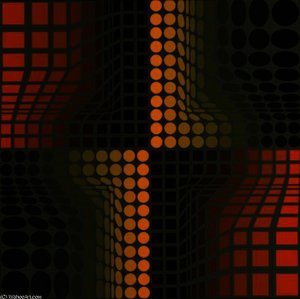
Painting.

§ 1Katalog podaci


Ovo umetničko delo je zaštićeno autorskim pravima
Umetničko delo prikazano na ovoj stranici zaštićeno je autorskim pravima, što znači da zakonski nismo u mogućnosti da kreiramo niti prodajemo identičnu reprodukciju. Ova zaštita se sprovodi u skladu sa međunarodnim sporazumima kao što su Bernska konvencija i nacionalnim zakonima, uključujući i one koji su definisani u Američki zakon o autorskom pravu – Naslov 17.
Kao poštovana i legalna alternativa, nudimo prilagođene, ručno oslikane umetničke radove inspirisane originalom. Naši stručni i profesionalni umetnici pažljivo proučavaju stil, ambijent i umetničku suštinu originala kako bi kreirali novo, unikatno delo koje budi istu emociju – ostajući pritom potpuno autentično stvaranje.
Ovaj metod je u potpunosti usklađen sa regulativama o autorskim pravima jer ne podrazumeva kopiranje ili dupliranje zaštićenih umetničkih dela. Umesto toga, reč je o kreativnoj reinterpretaciji – novom slikarskom delu koje je inspirisano originalom, ali nije identično njemu.
 Pročitajte više
§ 2Apstraktno
Opis predmeta
Victor Vasarely (1906-1997) was born Károly Vaszary in Pécs, Croatia. Initially pursuing medical studies at Eötvös Loránd University in Budapest, he abandoned medicine for painting in 1927 after enrolling at Sándor Bortnyik’s Műhely – a Bauhaus-influenced school. This formative experience instilled him with the principles of functional design and geometric abstraction, shaping his signature Op Art
Biografija umetnika
Otkrijte fascinantan svet Viktora Vaserelija (1906-1997), pionira Op Art! Istražite njegove geometrijske apstrakcije, optičke iluzije i trajni uticaj na modernu umetnost i dizajn.
§ 3Komentar
Geometric Composition and Color
The artwork consists of four circles arranged in a square configuration. Each circle is assigned a specific color: blue, orange, yellow, and purple. These shapes are positioned at different points within the square frame. One circle occupies the left side, another is on the right, one is placed above, and the final circle is situated below the others. The composition relies on sharp edges and distinct color zones rather than blended transitions. The artist utilized a method called hydrostatic printing to apply pigment to the canvas, ensuring consistent color application and mathematical precision across the surface.
The arrangement of these circles follows a square motif, a recurring element in the artist's body of work. This specific layout utilizes Euclidean geometry to establish a sense of order. The interplay between the colored circles and the surrounding space creates a shimmering effect that shifts as the viewer's gaze moves across the canvas. This visual phenomenon is a result of the interaction between the specific hues and the eye's perception of light and shape.
The Mechanics of Perception
This piece belongs to the Op Art movement, which emerged in the wake of World War II. The movement focused on the psychological and neurological aspects of vision, using illusionistic effects to challenge how the brain interprets visual information. By employing a systematic methodology involving grids and mathematical principles, the work moves away from representational art. It does not attempt to mimic nature or provide a narrative. Instead, it functions as a visual experiment in how the retina processes high-contrast colors and geometric forms.
The intellectual foundation of the work draws from the Bauhaus movement's focus on functional design and the reductive abstraction of Piet Mondrian. It also incorporates Gestalt principles, which concern how the mind organizes visual stimuli into coherent patterns. The use of hydrostatic printing allowed for a level of accuracy that traditional brushwork could not achieve, emphasizing the mathematical nature of the composition. The result is a work that prioritizes the stimulation of the mind through controlled visual input, focusing on the mechanics of sight rather than the depiction of objects.
Pitanja i odgovori
Koji umetnički pravac obuhvata „Lain”, autor Viktor Vasereli?
„Lain“ je delo Geometric Abstraction pokreta. Ovaj pokret označava umetničku tradiciju kojoj je delo pripada.
Koje mesto zauzima „Lain”, autor Viktor Vasereli u istoriji umetnosti?
„Lain”, autor Viktor Vasereli pripada pravcu Geometric Abstraction, unutar perioda Modern. Zajedno, oni delu daju njegovo mesto u istoriji umetnosti.
Kako mogu da pronađem dela koja su slična delu „Lain”, autor Viktor Vasereli?
Radovi slični delu „Lain“ možete pronaći na stranici Slična dela ovog umetničkog dela.


 Pređi na štampu


 Za umetnička dela ili reprodukcije čija je bilo koja strana veća od 105 cm (približno 41 inč), okvir će biti isporučen u obliku rastavljenog seta za sklapanje. Ovaj metod osigurava bezbednu dostavu i sprečava oštećenja tokom transporta.