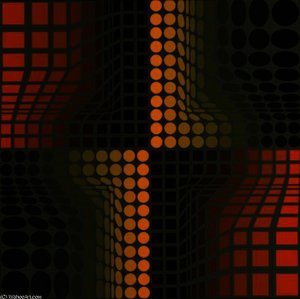
Akril na platnu.

§ 1Katalog podaci

Ovo umetničko delo je zaštićeno autorskim pravima
Umetničko delo prikazano na ovoj stranici zaštićeno je autorskim pravima, što znači da zakonski nismo u mogućnosti da kreiramo niti prodajemo identičnu reprodukciju. Ova zaštita se sprovodi u skladu sa međunarodnim sporazumima kao što su Bernska konvencija i nacionalnim zakonima, uključujući i one koji su definisani u Američki zakon o autorskom pravu – Naslov 17.
Kao poštovana i legalna alternativa, nudimo prilagođene, ručno oslikane umetničke radove inspirisane originalom. Naši stručni i profesionalni umetnici pažljivo proučavaju stil, ambijent i umetničku suštinu originala kako bi kreirali novo, unikatno delo koje budi istu emociju – ostajući pritom potpuno autentično stvaranje.
Ovaj metod je u potpunosti usklađen sa regulativama o autorskim pravima jer ne podrazumeva kopiranje ili dupliranje zaštićenih umetničkih dela. Umesto toga, reč je o kreativnoj reinterpretaciji – novom slikarskom delu koje je inspirisano originalom, ali nije identično njemu.
 Pročitajte više
§ 2Apstraktno
Opis predmeta
Уживајте у прецизној репродукцији Опале Виктора Васарелија, икона Оп Арта и кинетичке слике која је променила свет модерне уметности. Откријте геометрију и оптичке илузије овог великог ствараоца!
Biografija umetnika
Otkrijte fascinantan svet Viktora Vaserelija (1906-1997), pionira Op Art! Istražite njegove geometrijske apstrakcije, optičke iluzije i trajni uticaj na modernu umetnost i dizajn.
§ 3Komentar
Opale – A Symphony of Geometric Illusion
Victor Vasarely’s “Opale” is more than just a painting; it's an invitation to experience visual perception in a radically new way. Created sometime between 1963 and 1964, this artwork embodies the core principles of Op Art—Optical Art—a movement that emerged in the mid-1960s and captivated audiences with its ability to generate mesmerizing illusions. The image itself presents a deceptively simple composition: circles of varying hues – crimson red, sapphire blue, emerald green, golden yellow, tangerine orange, amethyst purple, and rose pink – arranged in an intricate pattern across the canvas. At first glance, it might appear as a random scattering of colors, but closer observation reveals a carefully constructed system designed to stimulate retinal movement and create a perceptual distortion that defies conventional visual experience.The Genesis of Geometric Abstraction
Vasarely’s artistic journey began with a fascination for mathematics and geometry—disciplines he considered fundamental to understanding the universe itself. Influenced profoundly by Bauhaus principles, which championed functional design alongside aesthetic considerations, Vasarely abandoned his initial ambitions as a physician to pursue painting seriously in 1927. His formative years at Sándor Bortnyik’s Műhely solidified his commitment to geometric abstraction, propelling him toward a distinctive style characterized by repetitive patterns and interlocking shapes. This approach wasn't merely stylistic; it was driven by a desire to explore the psychological effects of visual stimuli—specifically how our eyes perceive color and form.A Technique Rooted in Precision
The execution of “Opale” exemplifies Vasarely’s meticulous technique. Utilizing acrylic paint on canvas, he achieved remarkable precision through a process known as serigraphy—a method of printing using silkscreen frames. This painstaking process ensured that each circle was flawlessly reproduced with consistent color and size, reinforcing the artwork's visual impact. The artist meticulously calculated the placement of each element to maximize the illusion of movement and depth, creating an experience akin to watching shimmering light play across surfaces. Vasarely’s systematic approach underscored his belief in transforming art into a tool for intellectual stimulation and emotional resonance.Symbolism Beyond Surface Appearance
While seemingly devoid of representational imagery, “Opale” carries symbolic weight rooted in Vasarely's philosophical framework. He viewed geometric forms as embodying universal constants—representing order, harmony, and the underlying structure of reality. The circles themselves symbolize wholeness and unity, mirroring the artist’s aspiration to capture a transcendent aesthetic experience. Furthermore, the vibrant colors chosen weren’t arbitrary; they were carefully selected to evoke sensations of energy and dynamism – reflecting Vasarely's conviction that art could elevate consciousness and foster contemplation.A Legacy of Visual Illusion
Victor Vasarely’s “Opale” stands as a testament to the transformative potential of geometric abstraction and its ability to challenge our perceptions of reality. It continues to inspire artists and designers alike, demonstrating how meticulous technique combined with conceptual innovation can produce artworks that transcend mere visual beauty—creating immersive experiences that engage the viewer on an emotional level. Its enduring appeal lies in its capacity to provoke wonder and invite contemplation about the nature of perception itself – a truly remarkable achievement for Op Art’s pioneer.Pitanja i odgovori
Koja paleta i dominantna boja definišu "Опале"?
„Опале”, autor Viktor Vasereli koristi Tamni tonovi paletu, pri čemu je Smeđasto-narandžasta (#a03431) dominantna boja.
Kako mogu da pronađem dela koja su slična delu „Опале”, autor Viktor Vasereli?
Stranica Slična dela za delo „Опале”, autor Viktor Vasereli prikazuje srodna umetnička dela.
Na koji način je najbolje postaviti delo „Опале”, autor Viktor Vasereli s obzirom na njegov format?
Format (Kvadratni format) i preporučeni prostor (Dnevna soba) su dve navedene činjenice o postavljanju za „Опале”, autor Viktor Vasereli.


 Pređi na štampu


 Za umetnička dela ili reprodukcije čija je bilo koja strana veća od 105 cm (približno 41 inč), okvir će biti isporučen u obliku rastavljenog seta za sklapanje. Ovaj metod osigurava bezbednu dostavu i sprečava oštećenja tokom transporta.