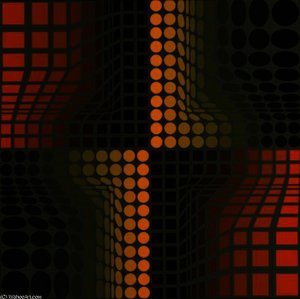
1950. Acrylic On Canvas, 20.0 x 36.0 cm.

§ 1Catalogue data

- 20.0 x 36.0 cm


Ovo umetničko delo je zaštićeno autorskim pravima
Umetničko delo prikazano na ovoj stranici zaštićeno je autorskim pravima, što znači da zakonski nismo u mogućnosti da kreiramo niti prodajemo identičnu reprodukciju. Ova zaštita se sprovodi u skladu sa međunarodnim sporazumima kao što su Bernska konvencija i nacionalnim zakonima, uključujući i one koji su definisani u Američki zakon o autorskom pravu – Naslov 17.
Kao poštovana i legalna alternativa, nudimo prilagođene, ručno oslikane umetničke radove inspirisane originalom. Naši stručni i profesionalni umetnici pažljivo proučavaju stil, ambijent i umetničku suštinu originala kako bi kreirali novo, unikatno delo koje budi istu emociju – ostajući pritom potpuno autentično stvaranje.
Ovaj metod je u potpunosti usklađen sa regulativama o autorskim pravima jer ne podrazumeva kopiranje ili dupliranje zaštićenih umetničkih dela. Umesto toga, reč je o kreativnoj reinterpretaciji – novom slikarskom delu koje je inspirisano originalom, ali nije identično njemu.
 Pročitajte više
§ 2Abstract
Opis predmeta
Experience Victor Vasarely’s iconic Op Art ‘Zebra,’ a dynamic black and white optical illusion that challenges perception. This 1950 masterpiece explores movement and form through precise geometric patterns, perfect for art lovers.
Biografija umetnika
Otkrijte fascinantan svet Viktora Vaserelija (1906-1997), pionira Op Art! Istražite njegove geometrijske apstrakcije, optičke iluzije i trajni uticaj na modernu umetnost i dizajn.
§ 3Commentary
A Dance of Perception: Exploring Victor Vasarely’s ‘Zebra’
Victor Vasarely's 'Zebra' is more than just a black and white stripe; it’s an invitation to question the very nature of visual reality. Painted in 1950, this seminal work exemplifies the revolutionary impact of Op Art – Optical Art – a movement that sought to manipulate perception through precise geometric arrangements. Created by Hungarian artist Victor Vasarely, born in Pécs, Croatia in 1906, ‘Zebra’ showcases his mastery of creating illusions and challenging the viewer's assumptions about space and form. Initially drawn to medicine, Vasarely’s passion for visual expression led him to a transformative journey into abstraction, profoundly influenced by the Bauhaus movement and its emphasis on functional design and geometric principles. This artwork represents a pivotal moment in his career, solidifying his place as a pioneer of kinetic art and a key figure in 20th-century modernism.
The Illusion of Movement
At first glance, ‘Zebra’ presents itself as a simple depiction of black and white stripes. However, a closer examination reveals a dynamic complexity that belies its apparent simplicity. The artwork's composition is dominated by parallel lines that curve and bend, creating an illusion of movement and depth. These undulating stripes don't adhere to traditional perspective; instead, they converge and diverge strategically, drawing the eye across the canvas in a continuous flow. This deliberate manipulation of visual cues generates a powerful sense of disorientation – a hallmark of Op Art’s goal: to stimulate the viewer’s senses and challenge their perception of reality. The stark contrast between black and white amplifies this effect, intensifying the optical illusion and creating a visually arresting experience.
Technique and Materials
Vasarely's meticulous technique is central to ‘Zebra’s’ impact. He employed acrylic or oil paints on canvas, carefully calculating the placement of each line and shape to maximize its effect on the viewer’s visual system. The precision with which he executed this work speaks to his deep understanding of optics and perception. While the exact materials used remain somewhat open to interpretation, the resulting surface demonstrates a remarkable control over texture – an impression of depth created not through traditional modeling but through the strategic arrangement of lines that seem to bulge or recede depending on the viewer’s perspective. This technique is characteristic of Op Art's exploration of how our eyes and brains interpret visual information.
Symbolism and Emotional Resonance
The title ‘Zebra,’ referencing the animal’s distinctive stripes, serves as a clever metaphor for the artwork’s core theme: the illusion of order within apparent chaos. The composition evokes feelings of movement, energy, and disorientation – emotions deliberately sought by Vasarely to disrupt conventional modes of seeing. Beyond its aesthetic qualities, 'Zebra' represents a broader exploration of perception itself, questioning our ability to accurately represent the world around us. It’s a visual puzzle that invites contemplation and rewards repeated viewing with new discoveries.
A Statement Piece for Your Space
This 20 x 36 cm reproduction captures the essence of Vasarely's groundbreaking work, offering a stunning addition to any collection or interior design scheme. Its bold geometric forms and dynamic visual impact make it a captivating focal point, perfect for modern spaces seeking a touch of artistic intrigue. A testament to Victor Vasarely’s vision, ‘Zebra’ remains a powerful reminder of the beauty and complexity hidden within the simplest of patterns – a true icon of Op Art.
Pitanja i odgovori
Koliko ljudi posmatra "Zebra"?
Postoji Statistika stranica za „Zebra“. Ona prikazuje mesečne posete ovom umetničkom delu i drugim delima ovog umetnika, uz detaljnu analizu po državama i jezicima.
Kakav osećaj prenosi „Zebra”, autor Viktor Vasereli?
Zabeleženo raspoloženje dela „Zebra”, autor Viktor Vasereli je Modern, a njegov emocionalni ton je Energetic.
Kako se umetnički pravac i epoha susreću u delu „Zebra”, autor Viktor Vasereli?
„Zebra”, autor Viktor Vasereli pripada Op Art pravcu, unutar Modernizam ere svog tvorca.


 Pređi na štampu


 Za umetnička dela ili reprodukcije čija je bilo koja strana veća od 105 cm (približno 41 inč), okvir će biti isporučen u obliku rastavljenog seta za sklapanje. Ovaj metod osigurava bezbednu dostavu i sprečava oštećenja tokom transporta.