Garancija povraćaja novca · 100 dana Besplatna dostava širom sveta
449.582umetnička dela 30.618umetnici 4.705muzeji 32jezici
Valuta
    Jezik
      Atelje · Osnovan 2015. · Pariz, Francuska
      AllPaintingsStore
      allpaintingsstore.com
      Pregledaj u prostoru Isprobaj u AR-u Pređi na prodaju štampanih primeraka Pređi na prodaju digitalnih slika Podeli
      Detalji Vodič Dodaj u omiljene Preuzmi sliku Slični predmeti Rendgenski snimak Automatska prezentacija Statistika

      The heir

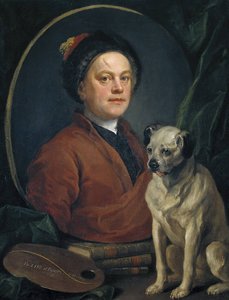
      William Hogarth’s "The Heir" (1735) captures a poignant family scene with a striking figure in a red hat, showcasing the artist's satirical style and detailed observation of 18th-century life. Discover this classic artwork and bring its timeless narrative into your space.

      Meta Description: William Hogarth (1697-1764) био је британски сликар и гравёр који је пробио нови пут у европској umjetности кроз своје сатиричне циклове као што су "Харлотова прогрес" и "Ракева прогрес", остављајући трајан дио историје британског реализма.

      Ručno rađena uljana reprodukcija

      Ručno oslikano uljanim bojama na platnu u dimenzijama i okviru po vašem izboru, izrađeno po porudžbini od strane naših umetnika. ( Pređi na prodaju štampanih primeraka Pređi na prodaju digitalnih slika)

      Corner sample of the P118B picture frame: moulded polystyrene, 5 cm wide and 3 cm thick
      P118B дин10
      Corner sample of the P118H picture frame: moulded polystyrene, 5 cm wide and 3 cm thick
      P118H дин10
      Corner sample of the P118W picture frame: moulded polystyrene, 5 cm wide and 3 cm thick
      P118W дин10
      Corner sample of the P438Z picture frame: moulded polystyrene, 5.5 cm wide and 3.5 cm thick
      P438Z дин10
      Corner sample of the P508JH picture frame: moulded polystyrene, 7 cm wide and 3.5 cm thick
      P508JH дин12
      Corner sample of the P508YH picture frame: moulded polystyrene, 7 cm wide and 3.5 cm thick
      P508YH дин12
      Corner sample of the P805H picture frame: moulded polystyrene, 5 cm wide and 3.5 cm thick
      P805H дин10
      Corner sample of the P805Z picture frame: moulded polystyrene, 5 cm wide and 3.5 cm thick
      P805Z дин10
      Corner sample of the P919BZ picture frame: moulded polystyrene, 7 cm wide and 3.5 cm thick
      P919BZ дин10
      Corner sample of the P919G picture frame: moulded polystyrene, 7 cm wide and 3.5 cm thick
      P919G дин10
      Corner sample of the P919XJ picture frame: moulded polystyrene, 7 cm wide and 3.5 cm thick
      P919XJ дин10
      Corner sample of the P959ZH picture frame: moulded polystyrene, 5 cm wide and 3 cm thick
      P959ZH дин10
      Corner sample of the P968JZ picture frame: moulded polystyrene, 6 cm wide and 4 cm thick
      P968JZ дин12
      Corner sample of the W106C picture frame: solid wood, 5 cm wide and 3 cm thick
      W106C дин8
      Corner sample of the W218G picture frame: solid wood, 5 cm wide and 3 cm thick
      W218G дин10
      Corner sample of the W218JH picture frame: solid wood, 5 cm wide and 3 cm thick
      W218JH дин8
      Corner sample of the W218Y picture frame: solid wood, 5 cm wide and 3 cm thick
      W218Y дин10
      Corner sample of the W307PJ picture frame: solid wood, 6 cm wide and 3 cm thick
      W307PJ дин10
      Corner sample of the W316G picture frame: solid wood, 6 cm wide and 3 cm thick
      W316G дин10
      Corner sample of the W316PJ picture frame: solid wood, 6 cm wide and 3 cm thick
      W316PJ дин8
      Corner sample of the W316Y picture frame: solid wood, 6 cm wide and 3 cm thick
      W316Y дин10
      Corner sample of the W398PJ picture frame: solid wood, 5 cm wide and 3 cm thick
      W398PJ дин8
      Corner sample of the W4111J picture frame: solid wood, 6.5 cm wide and 3.5 cm thick
      W4111J дин10
      Corner sample of the W500HY picture frame: solid wood, 7 cm wide and 5 cm thick
      W500HY дин15
      Corner sample of the W500JH picture frame: solid wood, 7 cm wide and 5 cm thick
      W500JH дин15
      Corner sample of the W692G picture frame: solid wood, 8 cm wide and 4 cm thick
      W692G дин12
      Corner sample of the W849H picture frame: solid wood, 5 cm wide and 3 cm thick
      W849H дин8
      Corner sample of the W940BG picture frame: solid wood, 7.5 cm wide and 4.5 cm thick
      W940BG дин15
      Corner sample of the W953PJ picture frame: solid wood, 6 cm wide and 3.5 cm thick
      W953PJ дин8

      Standardne dimenzije
      po meri
      CM
      INCH

      Izaberite jednu od naših unapred definisanih veličina koje odgovaraju originalnim proporcijama umetničkog dela.

      širina
      visina

      Možete uneti sopstvene dimenzije kako biste prilagodili umetničko delo određenom okviru ili prostoru. Ako odabrana veličina ne odgovara proporcijama originala, slika će biti isečena ili proširena dodatnim elementima koji se ručno oslikavaju. Digitalni prikaz će vam biti poslat na odobrenje pre početka proizvodnje.
      Imajte na umu da pregled na ekranu ne odražava stvarno prisecanje ili proširenje. Samo mockup će precizno prikazati konačnu kompoziciju.
      Iako su dostupne prilagođene veličine, preporučujemo da izaberete dimenziju iz unapred definisane liste kako biste sačuvali originalne proporcije.

      Primeri mogućih izmena: Zamena lica fotografijom kupca; Dodavanje ljubimca (npr. zamena mačke psom); Uključivanje skrivene poruke u pozadini; Promena pejzaža ili elemenata pozadine.
      Nakon narudžbine, tim AllPaintingsStore.com će klijentu putem e-pošte poslati uputstva i dostaviti prikaz predloženog rešenja

      Svetska isporuka () za 3/4 nedelje umesto uobičajenih 5 nedelja. (11 октобар). Bez kompromisa po pitanju kvaliteta.

      Besplatna ekspresna dostava širom sveta
      Visokokvalitetno laneno platno
      Sveobuhvatno osiguranje transporta
      Garancija povraćaja carine i uvoznih dažbina
      Garancija vernosti boja i autentičnosti pri reprodukciji
      Politika povraćaja u roku od 100 dana (samo u slučaju nedostataka)
      Garancija povrata 100% novca
      Popust pri većoj količini

      Ukupna cena

      дин 26046

      The heir

      Tehnika izrade reprodukcije

      Veličina reprodukcije

      -

      Ukupna cena

      дин 26046

      Brzi pregled

      • Movement: Rococo
      • Artistic style: British Genre Painting
      • Location: Private Collection
      • Medium: Oil on canvas
      • Title: The Heir
      • Influences:
        • Moral tales
        • Caricature
      • Dimensions: 62 x 75 cm

      William Hogarth's "The Heir": A Portrait of Societal Critique

      William Hogarth’s “The Heir,” completed in 1735, is more than simply a depiction of a domestic scene; it’s a meticulously crafted social commentary rendered with the precision and moralizing zeal that defined the artist's career. This intimate tableau, measuring 62 x 75 cm, captures a family gathering within their London home, offering a stark glimpse into the burgeoning anxieties surrounding inheritance and social mobility during the Georgian era. The painting’s immediate impact stems from its dramatic composition – a man in a flamboyant red hat dominates the foreground, seemingly issuing instructions or engaging in a critical exchange, immediately drawing the viewer's attention to his position of authority.

      • Subject Matter: The scene portrays a family group engaged in conversation and activity within their home.
      • Composition: Hogarth masterfully employs diagonal lines and contrasting figures to create a dynamic and unsettling effect, emphasizing the potential for discord and ruin.
      • Setting: A richly detailed domestic interior provides context for the narrative, reflecting the aspirations and anxieties of the wealthy merchant class.

      A Study in Moral Allegory

      Hogarth’s work is renowned for its moralizing intent, and “The Heir” exemplifies this perfectly. The central figure, a young man dressed in fine clothes, represents the heir to a fortune – but his demeanor suggests a lack of responsibility and an inclination towards frivolous pursuits. He is surrounded by figures who seem to be reacting to his actions, hinting at the potential consequences of unchecked ambition and disregard for propriety. This wasn't merely portraiture; it was a carefully constructed moral lesson, reflecting Hogarth’s deep-seated belief in the importance of virtue and industriousness.

      The inclusion of details like the dining table laden with books – symbols of knowledge and education – further underscores the painting’s didactic purpose. The windows, providing ample natural light, illuminate not just the scene but also the potential for both enlightenment and corruption.

      Technique and Style: Hogarth's Distinct Vision

      Hogarth developed a highly distinctive style characterized by its meticulous detail, narrative clarity, and use of sequential scenes to tell stories. “The Heir” showcases his mastery of engraving and painting, utilizing a technique known as ‘grisaille’ – working in monochrome before applying color – to achieve remarkable tonal range and dramatic effect. His attention to the textures of fabrics, the gleam of polished surfaces, and the subtle expressions on the figures' faces creates an incredibly immersive experience for the viewer. This meticulous approach was revolutionary for its time, elevating portraiture beyond mere likeness to a form of visual storytelling.

      Symbolism and Emotional Resonance

      "The Heir" resonates with profound symbolism, reflecting anxieties about social status, wealth, and the precariousness of fortune. The red hat worn by the central figure is particularly significant, potentially representing vanity or even rebellion against established norms. The overall mood is one of unease and foreboding, suggesting that the heir’s actions will have dire consequences. The painting's enduring appeal lies in its ability to tap into universal themes of ambition, responsibility, and the potential for human fallibility – a timeless exploration of the human condition rendered with Hogarth’s unparalleled skill and moral vision.

      Pitanja i odgovori

      Da li je „The heir”, Вилијам Хогарш svetlo ili tamno umetničko delo?

      U pogledu percepcije osvetljenosti, „The heir”, Вилијам Хогарш je shadow.

      Koji umetnički pravac predstavlja „The heir”, Вилијам Хогарш?

      „The heir“ je delo Baroque pokreta. Ovaj pokret označava umetničku tradiciju kojoj je delo pripada.

      Kakav je emocionalni ton dela „The heir”, Вилијам Хогарш?

      Emocionalni ton zabeležen za „The heir”, Вилијам Хогарш je Nostalgic. On sažima osećaj koji ovo delo izražava.

      Kada je "The heir" nastalo?

      „The heir“ potiče iz 1735. Ovaj datum smešta delo u okviru karijere umetnika Вилијам Хогарш i njegove ere.

      Koliko je godina imao/la Вилијам Хогарш u vreme kada je nastalo delo "The heir"?

      Вилијам Хогарш je imao/la 38 godina kada je kreirao/la "The heir" u 1735. Godina je izračunata na osnovu godine rođenja umetnika, 1697.

      Ko je umetnik koji stoji iza dela "The heir"?

      Delo "The heir" pripisuje se umetniku Вилијам Хогарш.

      Kako mogu da pregledam „The heir”, Вилијам Хогарш u obliku prezentacije?

      Diaporama dela "The heir" možete pogledati na stranici Diaporama tog umetničkog dela.


      Biografija umetnika

      A London Life in Ink and Paint: The World of William Hogarth

      William Hogarth, born into the bustling heart of 18th-century London in 1697, was more than just an artist; he was a visual historian, a keen observer of human nature, and a satirical commentator on the societal currents of his age. His life story is inextricably linked to the very fabric of England during a period of significant transformation – its burgeoning ambitions, underlying anxieties, and pervasive hypocrisies all finding potent expression in his remarkably detailed and often biting works. The son of a struggling Latin schoolmaster, Hogarth’s early experiences instilled within him both a love for learning and a sharp awareness of social inequalities, a foundation that would prove crucial to shaping his artistic vision. Initially apprenticed to an engraver, he quickly demonstrated a talent extending beyond mere technical skill; he possessed an innate ability to observe the nuances of human behavior and translate them into compelling visual narratives. However, he chafed against the constraints of traditional engraving, seeking a more expressive outlet for his burgeoning creativity. This led him to studies at both St Martin’s Lane Academy and under Sir James Thornhill, where he honed his skills in painting and composition, absorbing influences that would later inform his unique style. He established a distinctly British artistic identity. His work provides invaluable insights into 18th-century English society. He influenced generations of artists and satirists.

      The Birth of Modern Moral Subjects

      Hogarth's true innovation lay not simply *what* he painted, but *how*. He pioneered what he termed “modern moral subjects” – series of pictures designed to tell a story, often imbued with a strong satirical edge. These weren’t isolated portraits or landscapes; they were visual novels unfolding before the viewer’s eyes, offering pointed commentary on contemporary society. A Harlot's Progress, created in 1742, stands as perhaps his most famous example. This series of six paintings meticulously follows the tragic downfall of Mary, a young woman arriving in London full of hope but quickly succumbing to the temptations and dangers of city life. Each scene is rendered with painstaking detail, filled with symbolic elements that reveal the moral decay surrounding her. The artist’s meticulous attention to observation—a hallmark of his style—transformed everyday occurrences into profound meditations on virtue and vice. Similarly, A Rake's Progress, begun in 1733, charts the reckless decline of Tom Rakewell, a man who squanders his inheritance on gambling, debauchery, and ultimately, madness. These weren’t merely cautionary tales; they were unflinching portraits of a society grappling with issues of class, morality, and social mobility. Hogarth didn't shy away from depicting the harsh realities of life, presenting them with a blend of humor and pathos that forced viewers to confront uncomfortable truths about themselves and their society. He skillfully captured the psychological complexities of his subjects, conveying both their ambition and their vulnerability.

      Technique and Influences: A Synthesis of Styles

      Hogarth’s artistic style was a unique amalgamation of diverse influences. He greatly admired the realism and narrative detail found in the works of Dutch genre painters like Pieter de Hooch, evident in his meticulous depictions of interiors and everyday life. The artist's masterful use of line and shading—particularly noticeable in his engravings—created depth and texture, bringing his scenes to life with remarkable clarity. He employed a distinctive cross-hatching technique that achieved this effect, demonstrating an exceptional understanding of visual representation. Furthermore, Hogarth was influenced by literary works, particularly those of Jonathan Swift and Henry Fielding, whose satirical wit informed his own social observations. He believed that art should not merely be beautiful but should also serve a moral purpose, challenging viewers to think critically about the world around them and their place within it. He sought to hold a mirror up to nature, reflecting both its beauty and its ugliness with unflinching honesty. His engravings were particularly noteworthy for their expressive quality. He skillfully combined meticulous detail with dynamic composition—a technique that would become synonymous with his artistic legacy. Beyond these immediate influences, Hogarth absorbed stylistic elements from German Expressionists, demonstrating a remarkable openness to experimentation and innovation. This synthesis of styles cemented his position as a pioneer of modern art, shaping the trajectory of British painting for decades to come.

      Major Achievements and Legacy

      Hogarth’s contribution to British art is undeniable. He elevated genre painting to new heights of sophistication and psychological insight—a feat rarely accomplished by his contemporaries. His series of moral subjects revolutionized visual storytelling, establishing a precedent for satirical prints and comic strips that continues to endure today. Artists like James Gillray and George Cruikshank were directly inspired by his style, carrying forward his tradition of social critique. He achieved fame and recognition during his lifetime, securing commissions from prominent patrons and garnering acclaim for his artistic prowess. Even Charles Lamb, the celebrated essayist, recognized the narrative power of Hogarth’s images, famously remarking that they were “like books to be read rather than merely looked at.” His enduring influence testifies to the timeless relevance of his themes—ambition, morality, social justice—issues that remain central to human experience. William Hogarth died in 1764, leaving behind a legacy that continues to inspire artists and scholars alike. He remains a pivotal figure in the history of British art, celebrated for his innovative approach to storytelling, his unflinching social commentary, and his enduring ability to capture the complexities of human life—a testament to the transformative power of artistic vision.
      Вилијам Хогарш

      Вилијам Хогарш

      1697 - 1764 , Велика Британија

      Brzi pregled

      • Artistic Movement Or Style: Realizam i satira
      • Artists Or Movements Influenced By This Artist: ['James Gillray']
      • Artists Who Influenced This Artist:
        • Pieter de Hooch
        • Jonathan Swift
      • Date Of Birth: 1697
      • Date Of Death: 1764
      • Full Name: William Hogarth
      • Nationality: Britanski
      • Notable Artworks:
        • A Harlot's Progress
        • A Rake's Progress
        • Marriage A-la-Mode
      • Place Of Birth: London, UK
      Istražite umetnička dela organizovana prema temama, stilovima i karakteristikama.