


 Pregledaj u prostoru

 Pošalji
 Podeli
 Detalji o delu
 Vodič


 Preuzmi
 Slični predmeti
 Rendgenski snimak
 Automatska prezentacija
 Pitanja i odgovori
 Statistika
Beztitleno delo autora Vilijam Moris

- 57.0 x 962.0 cm


 Pročitaj više
Giclee štampa / Umetnički otisak
Giclée štampa ili print na platnu muzejskog kvaliteta uz brzu izradu i raznovrsne opcije završne obrade. ( Kupite ručno oslikano delo Pređi na digitalnu sliku)

P118B дин10
P118H дин10
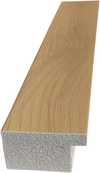
P118W дин10
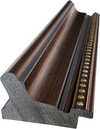
P438Z дин10
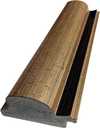
P508JH дин12

P508YH дин12
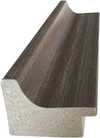
P805H дин10
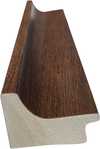
P805Z дин10
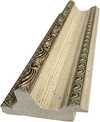
P919BZ дин10
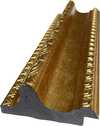
P919G дин10
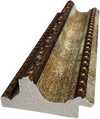
P919XJ дин10
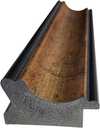
P959ZH дин10
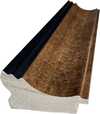
P968JZ дин12
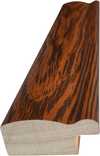
W106C дин8
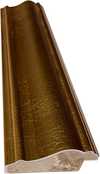
W218G дин10

W218JH дин8
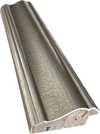
W218Y дин10
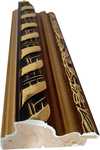
W307PJ дин10

W316G дин10
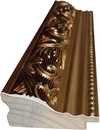
W316PJ дин8
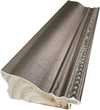
W316Y дин10
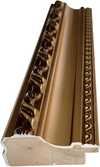
W398PJ дин8
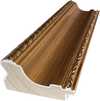
W4111J дин10
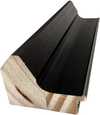
W500HY дин15
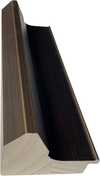
W500JH дин15
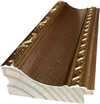
W692G дин12
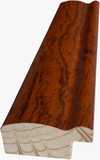
W849H дин8
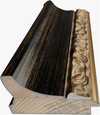
W940BG дин15
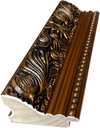
W953PJ дин8
Izaberite jednu od naših unapred definisanih veličina koje odgovaraju originalnim proporcijama umetničkog dela.

Unesite željenu širinu i visinu kako bi se štampa uklopila u vaš ram ili zid. Štampu je moguće samo iseći, ali nikada povećati iznad dimenzija originalne slike, stoga format sa drugačijim proporcijama uzrokuje gubitak dela slike. Pre početka štampe, poslaćemo vam digitalni prikaz radi potvrde. Slika prikazana na ovoj stranici ne predstavlja stvarni isrez — to pokazuje samo digitalni prikaz.
Dostava širom sveta () za 2 nedelje umesto uobičajenih 4/5 nedelja. (16 новембар)

Besplatna ekspresna dostava širom sveta

Visokokvalitetno laneno platno

Potpuno osiguranje transporta

Garancija povraćaja carine i uvoznih dažbina

Garancija vernosti boja

Politika povraćaja u roku od 100 dana (samo u slučaju nedostataka)

Garancija povrata 100% novca

Popust na više proizvoda
 Opcija sa staklom dostupna je samo za dimenzije manje od 110 cm

None
Giclee štampa / Umetnički otisak
Dimenzije reprodukcije
-


Ukupna cena
дин 6802
Identification of the Pimpernel Wallpaper Design
The wallpaper design known as Pimpernel emerged from the mind of William Morris around 1876. This work reflects the vision of the English architect, designer, craftsman and theorist William Morris. It captures a specific moment in the late nineteenth century when the lines between domestic utility and fine art began to blur. The pattern seeks to bring the quiet rhythms of the natural world into the structured interiors of the Victorian era.
William Morris conceived this design as a way to integrate botanical life into the fabric of the home. The Pimpernel pattern is a wallpaper design that relies on the repetition of organic forms. It functions as a visual echo of the garden, translated into a rhythmic sequence of flora. Each line follows the logic of a growing stem or a reaching leaf.
The work exists as a structured arrangement of botanical elements. It is a product of the Arts and Crafts movement, born from a desire to prioritize the hand of the maker. Through this design, the artist sought to find a balance between the wildness of nature and the order of the printed surface. A single petal rests in the stillness of the pattern.
Visual Composition and Floral Motifs
Curvilinear acanthus leaves wind through the space, creating a rhythmic movement across the surface. These forms intertwine with climber willow and honeysuckle branches, forming a dense, interlocking network. The pattern relies on an intricate and detailed arrangement where every leaf and stem finds its place within the organic geometry. It is a quiet, structured growth.
Chrysanthemums and jasmines emerge from the foliage, their shapes softened by the surrounding greenery. Willow branches weave through the composition, adding a sense of layered depth to the botanical scene. The color palette remains restrained, dominated by shades of blue that suggest a calm, shaded garden. Ivory and pale greens provide a delicate contrast to these deeper tones.
Technique and Material Production
The creation of this design relied on the steady hand of the artisan. Using hand-printing techniques, the intricate floral patterns were pressed onto linen fabric. Each movement of the printer required precision to ensure the botanical forms appeared with a remarkable level of realism. The texture of the linen holds the ink, grounding the delicate shapes of the pimpernel and willow in a tangible, physical reality.
This labor-intensive process reflects a deep commitment to traditional artisanal skills. Rather than the sterile repetition of a machine, the work carries the weight of meticulous human effort. Every stem and leaf was placed with a specific intent, honoring the slow rhythm of manual craft. The final result is a surface where the organic lines of nature meet the disciplined touch of the maker.
Artistic Style and Movement Influence
The design belongs to the Arts and Crafts Movement, a reaction against the cold precision of the industrial age. It seeks a return to the hand of the maker. This piece carries a distinct Oriental influence, pulling from the quietude of the Far East to reshape Victorian interiors. The patterns do not shout; they whisper through a lens of Japonisme.
Eastern stylistic conventions dictate the flow of the composition. The work reflects the influence of Japanese design principles, favoring a restrained elegance over heavy ornamentation. It is a translation of distant aesthetics into a local language of line and form. The curvilinear movement of the stems mirrors the serene balance found in Japanese art.
This aesthetic approach creates a bridge between two worlds. The pattern uses the logic of the East to find a new rhythm for the English home. It is a quiet rebellion of nature against the machine. A single leaf rests in perfect, deliberate balance.
Current Location and Museum Collection
The Pimpernel wallpaper design resides within the Nacionálny múzeum dekoratívneho umelí Madrid. This collection preserves the work in Madrid, Spain. It remains a part of the National Museum of Decorative Arts. The physical presence of the piece is defined by its long, narrow scale, measuring 57 x 962 cm.
The museum halls hold this linen fragment. It rests as a quiet specimen of the Arts and Crafts Movement. The blue hues and floral lines exist here, kept within the Spanish institution. A stillness settles over the pattern in its current home.
Pitanja i odgovori
Pod kojim drugim imenima je Vilijam Moris poznat/a?
Vilijam Moris je poznat/a i pod imenom Morris, Marshall, Faulkner & Co., Morris & Co..
Srodna umetnička dela


Biografija umetnika
Život ukorenjen u prirodi i romantizmu
Viljam Moris, rođen 24. marta 1834. godine u Voltemstou u Eseksu, poticao je iz komforno imućnog srednjeg sloja—okolnost koji mu je omogućio slobodu da prati svoje strasti umesto samo profesije. Uspeh njegovog oca kao finansijera doneo je ne samo sigurnost, već i okruženje u kojem su estetska osećanja mogla da cvetaju. Morisovo detinjstvo duboko je oblikovalo englesko seosko prizorje koje je okruživalo njegov dom i fascinacija pričama o srednjovekovnom viteštvu, postavljajući temelje za doživotnu posvećenost prirodnoj lepoti i romantičnim narativima. Ovi rani uticaji nisu bili samo sentimentalni; oni su činili jezgro njegove umetničke filozofije. On nije bio samo inspirisan prirodom ili prošlošću—verovao je u njihovu urođenu moralnu i estetsku superiornost nad ubrzano industrializovanim presentom. Njegovo formalno obrazovanje na Univerzitetu u Oksfordu prvobitno ga je usmerilo ka administrativnoj karijeri, ali upravo su unutar živopisnih intelektualnih krugova univerziteta počeli da se oblikuju njegovi pravi pozivi. Pridružio se „The Set“, grupi studenata koji su delili intenzivno interesovanje za umetnost, književnost i srednjovekovnu istoriju, uspostavljajući prijateljstva—najpre sa Edvardom Bern-Džonsom—koja će duboko uticati na njegov umetnički put. Upravo je u tom periodu susreo dela Džona Raskina, čija je kritika industrijskog društva i zagovaranje zanatstva snažno odjeknulo sa Morisovim rastućim uverenjima.Revolucija pokreta Arts & Crafts
Nakon Oksforda, kratka avantura u arhitekturi brzo je ustupila mesto slikarstvu, dok je Moris sarađivao sa Danteom Gabrielom Rosetijem na projektima zidnih slika. Međutim, upravo je osnivanje firme Morris, Marshall, Faulkner & Co. 1861. godine—kasnije poznate jednostavno kao Morris & Co.—označilo prekretnicu, ne samo u njegovoj karijeri, već i u istoriji dizajna. Ovo nije bio samo poslovni poduhvat; bio je to pokušaj stvaranja novog načina života, onog u kojem umetnost prožima svaki aspekt svakodnevnog postojanja, a zanatstvo se vrednuje iznad svega. Zajedno sa Bern-Džonsom, Rosetijem, Filipom Vejbom i drugima, Moris je težio oživljavanju tradicionalnih tehnika i proizvodnji prelepih, kvalitetno izrađenih predmeta za dom. Rani rad firme bio je duboko pod uticajem „Crvene kuće“ (Red House), doma koji je Moris naručio od Vejba—strukture koja je otelotvorila ideal Arts & Crafts pokreta o stvaranju jedinstvenog estetskog okruženja kroz ručno izrađen nameštaj i dekoraciju. Moris je postao vodeći glas u uspensujućem pokretu Arts & Crafts, zastupajući ručni rad kao protivotrazu perceptivnim dehumanizujućim efektima masovne proizvodnje. Strastveno je verovao da umetnost treba da bude dostupna svima, a ne samo bogatoj eliti, i da treba da bude integrisana u svakodnevni život—što je bila radikalna ideja u vreme kada se dizajn često posmatrao odvojeno od funkcije. Ova filozofija prevazilazila je puke estetike; bila je ukorenjena u duboko društvenom savesti i želji da se poboljšaju životi radničkog naroda.Nasleđe utkano u tekstil, poeziju i štampu
Iako je Morris & Co. obuhvatala širok spektar dekorativnih umetnosti—nameštaj, vitraž, tepihe—on je možda najpoznatiji po svojim dizajnu tekstila. To nisu bili samo obrasci; bili su to zamršeni narativi utkani u protokaju cvetnih motiva, bujne vegetacije i bogatih, evocirajućih boja. Njegine tapete su, naročito, revolucionisale dizajn enterijera, udaljavajući se od sterilnih imitacija prevalentnih u viktorijanskoj eri ka kreacijama inspirisanim prirodom koje su bile istovremeno lepe i funkcionalne. On nije samo projektovao ove šare; uronio je u sam proces njihove kreacije, razumev nijanse tehnika bojenja i metoda tkanja. Pored tekstila, Moris je oživio umetnost izrade tapiserija, proizvodeći velike narativne tapiserije zasnovane na srednjovekovnim romanima i arturskim legendama—radove koji su pokazivali njegovu veštinu pripovedača i njegovu duboku vezu sa prošlošću. Njegova kreativna energija nije bila ograničena na vizuelne umetnosti; bio je i plodni pisac, komponujući poeziju, romane i prevode. „Zemljanski raj“ (1868-1870) i „Vesti iz ničega“ (1890) svedočanstva su njegovog književnog talenta i njegove utopijske vizije društva utemeljenog na zanatstvu i socijalnoj pravdi. Godine 1890. osnovao je Kelskot Pres (Kelmscott Press), privatnu štampariju posvećenu proizvodnji visokokvalitetnih knjiga sa prelepom tipografijom i ilustracijama—poduhvat koji je duboko uticao na moderni dizajn knjige.Socijalizam, očuvanje prirode i trajni uticaj
Morisova posvećenost protezala se izvan estetike u sferu društvenog aktivizma. Postajao je sve više uključen u socijalističku politiku, zastupajući prava radnika i društvene reforme. Verovao je da istinski lepo društvo ne može postojati bez ekonomske jednakosti i pravde—ubedjenje koje je oblikovalo i njegovu umetnost i njegove političke spise. Ovo nije bilo apstraktno teoretsiranje; aktivno je podržavao različite socijalističke ciljeve i koristio svoju platformu da podigne svest o sudbini radničkog naroda. Štaviše, Moris je bio pionir u očuvanju prirode, prepoznajući važnost očuvanja istorijskih zgrada i pejzaža za buduće generacije. Razumeo je da ove strukture nisu samo relikte prošlosti, već vitalne veze sa kulturnim identitetom i umetničkom inspiracijom. Galerija Vilijama Morisa u Voltemstou stoji kao svedočanstvo njegovog trajnog nasleđa, prikazujući njegove radove i pružajući uvid u njegov život i ideje. Danas njegovi dizajni nastavljaju da inspirišu umetnike i dizajnere svih disciplina. Njegov naglasak na zanatstvu, prirodnim oblicima i integrisanom dizajnu ostavio je trajan trag na dekoraciju enterijera, umetnost tekstila i grafički dizajn. Njegova vizija sveta u kojem su lepota i korisnost isprepletani—i gde je umetnost dostupna svima—ostaje podjednako relevantna danas kao i u 19. veku. Vilijam Moris nije bio samo umetnik; bio je vizionar koji je težio da transformiše društvo kroz moć dizajna, zanatstva i socijalne pravde.
Vilijam Moris
1834 - 1896 , Ujedinjeno Kraljevstvo
Osnovne informacije
- Artistic Movement Or Style: Arts & Crafts
- Artists Or Movements Influenced By This Artist: ['pokret Arts & Crafts']
- Artists Who Influenced This Artist:
- John Ruskin
- Edward Burne-Jones
- Date Of Birth: 24. mart 1834.
- Date Of Death: 3. oktobar 1896.
- Full Name: William Morris
- Nationality: Britanac
- Notable Artworks:
- Sun and moon angels
- Oak leaves in All Saints
- Judas Maccabaeus
- Place Of Birth (City And Country): Walthamstow, UK
Povezani članci

25 Must-See Masterpieces at the Museo del Prado, Madrid
Journey through history with the 25 greatest masterpieces of Madrid's Museo del Prado. From Velázquez to Goya, explore the stories behind these iconic works and find museum-quality art reproductions for your decor. Discover all masterpieces on AllPaintingsStore.com.

Victorian Botanical Art: A Professional Guide to Sourcing Timeless Floral Reproductions for Luxury Hotel Interiors
Elevate hospitality interiors with premium Victorian botanical art reproductions. A professional guide for hotel designers on sourcing hand-painted oils and large-scale murals, featuring expert procurement advice, bulk ordering, and reliable global logistics for luxury spaces.

Orientalism Art Movement: An Expert Guide to Exoticism and Masterpiece Reproductions for Luxury Interior Design
Master the use of Orientalist art in luxury hospitality. Our expert guide explores 19th-century masterpieces, offering professional insights for hotel designers sourcing high-quality, hand-painted oil reproductions and large-scale murals to create evocative, exotic interiors.

