


 Pregledaj u prostoru
 Podeli
 Podeli
 Detalji
 Vodič
Vodič

 Preuzmi sliku
 Slični predmeti
 Rendgenski snimak
 Automatska prezentacija
 Statistika
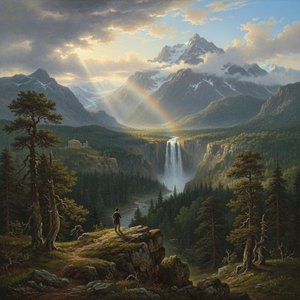
Landscape
 Other
Other 134.0 x 64.0 cm
 Pročitaj više
Giclee štampa / Umetnički otisak
Giclée štampa ili print na platnu muzejskog kvaliteta uz brzu izradu i raznovrsne opcije završne obrade. ( Naručite ručno oslikano reprodukciju Pređi na prodaju digitalnih slika)




P118B дин10

P118H дин10

P118W дин10

P438Z дин10

P508JH дин12

P508YH дин12

P805H дин10

P805Z дин10

P919BZ дин10

P919G дин10

P919XJ дин10

P959ZH дин10

P968JZ дин12

W106C дин8

W218G дин10

W218JH дин8

W218Y дин10

W307PJ дин10

W316G дин10

W316PJ дин8

W316Y дин10

W398PJ дин8

W4111J дин10

W500HY дин15

W500JH дин15

W692G дин12

W849H дин8

W940BG дин15

W953PJ дин8




Izaberite jednu od naših unapred definisanih veličina koje odgovaraju originalnim proporcijama umetničkog dela.

Unesite širinu i visinu koja vam je potrebna, kako bi se uklopili u vaš ram ili na vaš zid. Štampa se može samo iseći, nikada ne može biti veća od originalne slike, stoga format sa drugačijim proporcijama gubi deo slike. Poslaćemo vam digitalni prikaz radi potvrde pre nego što započnemo štampu. Slika prikazana na ovoj stranici ne pokazuje stvarni rez — to pokazuje samo digitalni prikaz.
Dostava širom sveta () za 2 nedelje umesto uobičajenih 4/5 nedelja. (26 октобар)

Besplatna ekspresna dostava širom sveta

Visokokvalitetno laneno platno

Sveobuhvatno osiguranje transporta

Garancija povraćaja carine i uvoznih dažbina

Garancija vernosti boja i autentičnosti pri reprodukciji

Politika povraćaja u roku od 100 dana (samo u slučaju nedostataka)

Garancija povrata 100% novca

Popust pri većoj količini
 Opcija sa staklom dostupna je samo za dimenzije manje od 110 cm

Landscape
Giclee štampa / Umetnički otisak
Veličina reprodukcije
-


Ukupna cena
дин 6600
Srodna umetnička dela


Biografija umetnika
A Master of Blossoms and Breath
Born in the turbulent year of 1633 in Wujin, Jiangsu province, Yun Shouping—often revered by his sobriquet Nantian—emerged from a period of profound historical upheaval. As the Ming Dynasty crumbled and the Qing era took hold, Yun found himself navigating a world in transition. Though born into an impoverished family that could not afford the formal education required for the civil service examinations, he did not allow circumstance to stifle his spirit. Instead, he turned inward toward the natural world, devoting himself to the pursuit of the three perfections: painting, poetry, and calligraphy. From his earliest years, his soul was entwined with the delicate beauty of nature, a passion famously captured in his childhood compositions of poetry centered around lotus blossoms.
His artistic journey was one of remarkable evolution and profound transformation. While he initially trained in the rigorous traditions of landscape painting, a pivotal encounter with the works of the master Wang Hui altered the course of his career forever. Captivated by new possibilities, Yun transitioned from the grand vistas of mountains and rivers to the intimate, vibrant world of flora and fauna. This shift led to the founding of the Ch'ang-chou school, a movement that would redefine Chinese aesthetics for generations. He became a central figure among the celebrated Six Masters of the early Qing period, standing alongside luminaries such as Wu Li and the Four Wangs, creating a legacy that bridged the gap between classical tradition and a new, expressive vitality.
The Revolution of the Boneless Style
What truly set Yun Shouping apart from his contemporaries was his masterful command of the mogu, or "boneless" technique. Moving away from the rigid, ink-defined outlines that characterized much of traditional Chinese painting, Yun sought to capture the very essence and inner breath of his subjects through soft washes of color and delicate gradations. By imitating the 11th-century methods of Xu Xi, he achieved a sense of organic fluidity that made his flowers and birds appear to pulse with life. His palette was daring for its time; he embraced rich, saturated hues of reds and purples—colors that some traditionalists dismissed as gaudy—to convey the true splendor of a blooming peony or a sun-drenched petal.
This technique allowed him to achieve a breathtaking balance between structure and spontaneity. In his hands, a branch was not merely a line on paper, but a living limb, and a blossom was not just a shape, but a fleeting moment of seasonal beauty. His work often embodied the following characteristics:
- Expressive Vitality: A profound ability to depict the "spirit resonance" or life force of plants and animals.
- Coloristic Innovation: The use of vibrant, layered washes to create depth without the need for harsh borders.
- Poetic Symbiosis: An inseparable connection between his visual imagery and the lyrical sentiment of his calligraphy and poetry.
- Naturalism through Abstraction: A way of capturing the true likeness of nature through soft, impressionistic strokes rather than anatomical precision.
A Lasting Legacy in the Qing Dynasty
The historical significance of Yun Shouping cannot be overstated. He did not merely participate in the art of his era; he revitalized it. By breathing new life into the flower-and-bird genre, he provided a much-needed aesthetic refreshment to a landscape painting tradition that had become increasingly preoccupied with imitating ancient styles. His Ch'ang-chou school became a beacon of individual expression, emphasizing a deep, emotional connection to the natural world that resonated with the literati class. Even as his techniques were refined and passed down through generations—notably by his daughter, Bing—the core of his vision remained: a celebration of the ephemeral beauty found in the smallest corner of the earth.
Today, Yun Shouping is remembered not just as a painter of petals, but as a poet of the brush. His ability to find the infinite within the minute remains a cornerstone of Chinese art history. Through his "boneless" mastery, he taught the world that strength does not always require a hard edge, and that true beauty often resides in the softest, most delicate transitions of light and color.

Yun Shouping
1633 - 1690
Brzi pregled
- Full Name: Mary Beale Cradock
- Nationality: English
- Date Of Birth: 1633
- Date Of Death: 1690
- Place Of Birth: Barrow, Suffolk, England
- Notable Artworks:
- Discourse on Friendship
- Observations
- Artistic Movement Or Style: Portrait painting
- Artists Who Influenced This Artist:
- Sir William Sanderson
- Sir Peter Lely
- Artists Or Movements Influenced By This Artist: ['Later Stuart']
Srodni članci
Evoking Nature's Sublime: A Comprehensive Exploration of 19th-Century Landscape Painting
Explore the captivating world of 19th-century landscape painting! Discover renowned artists like Friedrich & Monet, key movements, and find the perfect artwork to bring nature's serenity into your home. Expert insights at AllPaintingsStore.

Evocations of Place: A Historical Journey Through Landscape Art
Explore the rich history of landscape art with AllPaintingsStore. Discover renowned artists, movements like Impressionism & Romanticism, and expert guidance for collecting timeless pieces. Find your perfect serene escape today!

Glavna dela koja su definisala Romantični pejzaž: 10 remek-dela za vaš dom
Otkrijte 10 remek-dela romantičnog pejzažnog slikarstva! Uronite u svet Claude Lorraina, Caspara David Friedricha i Turnera. Ispričane priče umetnosti, inspiracija za dekoraciju doma. Kvalitetne reprodukcije na AllPaintingsStore.com – istražite celu kolekciju online!

25 Remek-dela Džona Konstebla: Lepota Engleske na Platnu | AllPaintingsStore
Uronite u svet Džona Konstebla! Otkrijte 25 remek-dela engleskog pejzaža, romantizma i seoske idile. Kupite reprodukcije slika vrhunskog kvaliteta za dekoraciju enterijera na AllPaintingsStore.com.

Evocations of Place: A Historical Journey Through Landscape Art
Explore the rich history of landscape art with AllPaintingsStore. Discover renowned artists, movements like Impressionism & tonalism, and expert guidance for collecting timeless pieces. Find your perfect serene escape today!

