



A Sanctuary of Compassion and Creative Brilliance
In the quiet, elegant heart of London’s Brunswick Square lies a destination that transcends the traditional boundaries of a gallery, offering instead a profound encounter with the intersection of human vulnerability and artistic triumph. The Foundling Museum is not merely a repository of objects but a living testament to one of Britain’s most noble social experiments: the establishment of the Foundling Hospital in 1739. As you step through its doors, you enter a space where the echoes of eighteenth-century philanthropy meet the enduring power of visual storytelling. It is a place where the plight of abandoned children was met with an unprecedented movement of artistic patronage, creating a legacy that continues to inspire collectors and historians alike.
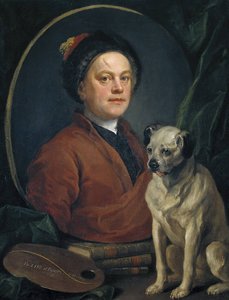
The museum’s collection is fundamentally anchored by the visionary spirit of Thomas Coram, whose mission to protect at-risk children catalyzed a unique wave of artistic generosity. This era of benevolence birthed what was essentially Britain’s first public art gallery, where masters of the age donated works not just for aesthetic pleasure, but as a means of sustaining a vital social cause. Among the most breathtaking highlights is William Hogarth’s satirical masterpiece, The March of the Guards to Finchley . Through his meticulous detail and dramatic use of light, Hogarth captures the vibrant, often chaotic pulse of London society, offering a biting critique of social conventions that remains as sharp today as it was in 1750. Alongside these narrative triumphs, the museum holds significant portraits by luminaries such as Joshua Reynolds, whose brushwork embodies the grandeur of the Baroque influence and serves to immortalize the very figures who made this charitable mission possible.
Architectural Elegance and Musical Heritage
To wander through the museum is to experience an architectural dialogue between refinement and purpose. The building itself, a reconstructed marvel of historical significance, reflects the sophisticated aesthetic of the eighteenth century. Visitors are often captivated by the Court Room, where the delicate, swirling flourishes of Rococo plasterwork create an atmosphere of ethereal beauty, reminding one of the era's obsession with grace and ornamentation. This architectural splendor is complemented by the reconstructed Picture Gallery, a space designed to showcase the exquisite array of paintings donated specifically to support the hospital’s endeavors. For the interior designer or lover of classical aesthetics, these rooms offer a masterclass in how historical grandeur can be utilized to evoke emotion and dignity.
Beyond the visual arts, the museum offers a sensory journey into the soul of the Enlightenment through its celebrated Handel Collection. The presence of George Frideric Handel’s musical legacy provides a rhythmic heartbeat to the institution, connecting the auditory genius of his compositions with the visual splendor of the era. This dual heritage—where the sublime notes of a contemporary composer harmonize with the dramatic strokes of Hogarth—creates a multidisciplinary experience that is rare in modern institutions. It is this seamless fusion of music, art, and history that allows the museum to tell a complete story of an age defined by both its social struggles and its cultural heights.
The Poignant Threads of Human Connection
What truly distinguishes The Foundling Museum from any other institution in London is its ability to weave personal, often heartbreaking, narratives into the fabric of art history. The museum preserves more than just canvases; it guards the intimate artifacts of lives once lived in the shadows of uncertainty. The display of Foundling Hospital tokens—small, precious items such as coins, buttons, and jewelry left by parents with the desperate hope of a future reunion—serves as a poignant reminder of the human stakes involved in this history. These objects act as silent witnesses to the profound compassion that fueled Coram’s initiative, transforming the museum from a place of observation into a place of deep empathy.
Today, the museum continues to evolve, bridging the gap between its historic mission and contemporary social responsibility. Its exhibitions frequently explore themes of resilience, identity, and the rights of the child, inviting modern audiences to reflect on how art can still serve as a force for social change. For the discerning visitor, the museum offers more than just a glimpse into the past; it provides a profound meditation on how creativity can be harnessed to protect the most vulnerable among us, making it an essential pilgrimage for anyone moved by the transformative power of both art and humanity.


