


 Förhandsvisa
 Skicka
 Dela
Dela
 Visa detaljer
 Guide
Guide

 Ladda ner
 Liknande objekt
 Röntgen
 Bildspel
 Frågor och svar
 Statistik
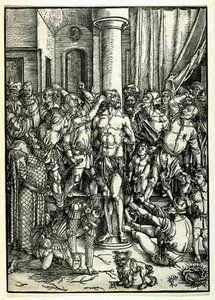
Flagellation


 Visa mer
Giclée / Konsttryck
Giclée- eller canvasprint av museumskvalitet med snabb produktion och flexibla ytbehandlingsalternativ. ( Beställ handmålad reproduktion Byt till digital bild)




P118B Skr10

P118H Skr10

P118W Skr10

P438Z Skr10

P508JH Skr12

P508YH Skr12

P805H Skr10

P805Z Skr10

P919BZ Skr10

P919G Skr10

P919XJ Skr10

P959ZH Skr10

P968JZ Skr12

W106C Skr8

W218G Skr10

W218JH Skr8

W218Y Skr10

W307PJ Skr10

W316G Skr10

W316PJ Skr8

W316Y Skr10

W398PJ Skr8

W4111J Skr10

W500HY Skr15

W500JH Skr15

W692G Skr12

W849H Skr8

W940BG Skr15

W953PJ Skr8




Välj bland våra förinställda storlekar som motsvarar konstverkets ursprungliga proportioner.

Ange den bredd och höjd du behöver för att passa din ram eller vägg. Ett tryck kan endast beskäras, aldrig göras större än originalbilden, vilket innebär att ett format med en annan proportion leder till att en del av bilden går förlorad. Vi skickar en digital mockup för godkännande innan vi påbörjar tryckningen. Bilden som visas på denna sida visar inte den faktiska beskärningen — det är endast mockuppen som gör det.
Leverans över hela världen () på 2 veckor istället för standard 4/5 veckor. (10 november)

Fri expressfrakt över hela världen

Högkvalitativ linnecanvas

Fullständig fraktförsäkring

Garantier för återbetalning av tullavgifter

Garantier för exakt färgåtergivning

100 dagars returrätt (endast vid fel)

100% pengarna tillbaka-garanti

Mängdrabatt erbjuds
 Glasalternativet är endast tillgängligt i storlekar under 110 cm.

Flagellation
Giclée / Konsttryck
Storlek på reproduktion
-


Slutgiltigt pris
Skr 652
Identification of the Flagellation by Albrecht Dürer
The woodcut Flagellation by Albrecht Dürer captures a moment of profound torment. This Northern Renaissance work presents a scene of intense suffering within a structured architectural setting. The lines of the woodblock define the heavy geometry of columns and arches, framing the chaos of the figures caught in the act of violence. It is a study of tension held within a monochromatic world.
Albrecht Dürer utilized the precision of the woodcut to translate religious agony into a visual language of stark contrasts. The composition draws the eye toward the central struggle, where the physical reality of pain meets the rigid order of the portico. Every stroke of the tool contributes to the weight of the scene, turning a biblical event into a visceral encounter with human suffering. The shadows fall deep across the contorted limbs of the subjects.
This specific print belongs to a period of intense technical development for the artist. It remains a significant example of the Northern Renaissance style, where meticulous detail meets emotional gravity. The work exists as a quiet, heavy presence on the page.
Composition and Visual Elements
The scene unfolds within the cold, rigid geometry of an architectural portico. Figures are crowded into this space, packed tightly together in a chaotic arrangement that creates a sense of claustrophobia. Bodies overlap and twist, caught in a moment of intense torment. This density pushes the viewer toward the center of the violence, where human degradation is rendered through contorted limbs and pained expressions. The perspective feels somewhat flattened, a two-dimensional arrangement that emphasizes the weight of the suffering rather than the depth of the room.
Light and shadow act as the primary architects of this tension. The lighting is uneven, casting heavy, dark shadows that carve out the contours of the suffering subjects. These shadows cling to the folds of fabric and the hollows of skin, heightening the visceral impact of the execution. A grayscale palette governs the entire work, stripping away the distraction of color to focus on the stark contrast between light and dark. The absence of hue leaves only the raw reality of the scene: the pale skin of the victims against the dark, unyielding stone of the columns.
Technique and Artistic Style
The composition relies on a rigorous, linear precision. Sharp lines define the rigid geometry of the arches and the heavy columns of the portico, creating a structural skeleton for the chaos. These lines trace the outlines of the figures, carving their contorted limbs out of the shadows. The style draws heavily from the traditions of Renaissance painting, seeking to organize space through a controlled, mathematical logic. Every architectural element is rendered with a clarity that anchors the scene in a cold, unyielding reality.
Meticulous brushwork and shading build the weight of the subjects. Through subtle variations in tone, the artist simulates the tactile reality of skin, heavy fabric, and weathered stone. This technique creates a palpable sense of volume, turning flat shapes into three-dimensional forms that occupy the space with physical presence. The interplay of light and dark emphasizes the dramatic contours of the bodies, making the physical agony feel immediate. It is a study of texture achieved through the disciplined application of shade.
Related Works by Albrecht Dürer
The shadow of the scourging follows the artist through various iterations of sacred suffering. In the woodcut known as The Large Passion: 3. Flagellation of Christ, dated 1497, the narrative takes shape through the stark, rhythmic lines of the woodblock. This work shares a lineage with the Flagellation of Christ from the same year, where the brutality of the scene is captured through the precise, unyielding geometry of the German Renaissance. These early explorations of the Passion establish a visual language of tension and religious weight.
Later, the artist turned to the sharp bite of the metal burin. The 1512 engraving, Flagellation (No. 6), held at the University Art Museum, Princeton, utilizes dense hatching and cross-hatching to define the musculature of the torment and the heavy folds of drapery. It is a study in monochromatic depth, where light and shadow define the very anatomy of pain. The precision of the line creates a tactile reality, turning the copper plate into a landscape of human endurance.
Other works from his prolific output include:
The weight of the woodcut and the precision of the engraving remain linked by a singular, driving focus on the physical reality of the divine. Each stroke of the tool seeks to map the intersection of the spiritual and the visceral. The ink settles into the paper, quiet and still.
Frågor och svar
Vilken fas av Albrecht Dürers konstnärliga utveckling representerar "Flagellation"?
"Flagellation" representerar Albrecht Dürers Mature Period.
Vad föreställer "Flagellation" och vilken stämning förmedlar den?
"Flagellation" av Albrecht Dürer förenar religious suffering, torture, medieval art, durer’s work, pain, sacrifice, human degradation, renaissance drama med en Dramatic atmosfär.
Vilket material har "Flagellation" använts med, och i vilken stil är det utfört?
I "Flagellation" möter Woodcut-tekniken Northern Renaissance-rörelsen.
Liknande konstverk




Konstnärsbiografi
A Life Forged in Nuremberg: The Early Years and Apprenticeship
Albrecht Dürer, ett namn synonymt med den tyska renässansen, uppstod ur den livliga hantverksstaden Nürnberg år 1471. Hans far, Albrecht Dürer den Äldre, var en framgångsrik guldsmed som invandrat från Ungern och med sig hade en härkomst djupt rotad i hantverkstraditioner. Det var inom denna miljö – doften av metall och precisionens noggranna handarbete – att den unges konstnärliga ambitioner först tog form. Även om hans far föreställde sig en liknande väg för honom, lärde han honom initialt i familjeföretaget, men det blev snart uppenbart att Albrecht besatt en exceptionell gåva för teckning. Vid tretton års ålder övergick han till verkstaden hos Michael Wolgemut, Nürnberg:s ledande konstnär vid den tiden. Detta var ingen bara teknisk utbildning; det var en immersion i en värld av illuminerade manuskript, målade panneler och – framför allt – den gryende konsten av träsnitt. Volgemuts verkstads enorma produktion, inklusive de omfattande illustrationerna till *Nürnbergs krönika*, gav Dürer en ovärderlig grund i design, komposition och mekaniken bakom bildskapande. En beundransvärd silverpenntillskrift från 1484, skapad när han knappt var tonåring, står som ett häpnadsväckande bevis på hans förkunnade talang – en testamente till en blomstrande konstnärlig identitet som redan började ta form.The Italian Influence and Artistic Maturation
Dürers ambition sträckte sig bortom Nürnbergs gränser. Driven av ett brinnande nyfikenhet och en önskan att bemästra måleriet, företog han sin första resa till Italien år 1494. Detta var inte bara en turistresa; det var en pilgrimsfärd till hjärtat av renässansen. Han stötte på mästare som Rafael, Giovanni Bellini och Leonardo da Vinci – konstnärer som omdefinierade möjligheterna till form, perspektiv och mänskligt uttryck. Påverkan var djupgående. Dürer absorberade de klassiska motiv, harmoniska kompositioner och subtila sfumato-tekniker som präglade italiensk konst, men han avvek aldrig från sin nordtyska känsla för noggrannhet och symbolisk djup. Ett andra vistelse i Italien mellan 1505 och 1507 möjliggorde det för honom att studera de antika romerska ruinerna och finjustera sin förståelse för anatomi och proportioner. Denna syntes av nordtyska precision och italiensk elegans blev Dürers unika konstnärliga stils kännetecken.Mastering the Mediums: Painting, Engraving, and Woodcut
Dürer var en mästare i flera medier, var och en erbjöd honom distinkta kreativa vägar. Hans målningar, även om de är färre i antal än hans tryck, visar en otrolig behärskning av oljefärg och en förmåga att fånga både fysiskt likhet och psykologiskt djup. Verk som *The Feast of the Rose Garlands* avslöjar en livlig palett influerad av venetianska färger. Men det var i tryckkonsten – särskilt gravyr och träsnitt – som Dürer verkligen revolutionerade konstens praktik. Han höjde dessa tekniker från att vara enkla reproduktionsmetoder till oberoende konstformer, kapabla att förmedla komplexa berättelser och djupa känslor. *The Apocalypse*-serien (1498), en samling av fjorton träsnitt som illustrerar Uppenbarelseboken, visade hans beherskning i denna mediatyp trots dess inneboende begränsningar. Senare gravyrer som *Melencolia I* (1514) och *Saint Jerome in His Study* (1514) är vittnesbörd om hans övermänskliga skicklighet – invecklade kompositioner fyllda med symbolisk mening och utförda med otrolig precision. Han illustrerade inte bara verkligheten; han infogade den med lager av intellektuell och andlig betydelse.A Theorist and Innovator: The Legacy of Albrecht Dürer
Dürer var inte bara en konstnär; han var en teoretiker, en innovatör som sökte förstå de underliggande principerna som styrde konstskapandet. Han trodde på de matematiska grunderna för konsten och ägnade sig åt att etablera ett vetenskapligt tillvägagångssätt för representation. Hans avhandlingar om geometri, proportioner och mänsklig anatomi – mest framträdande *Four Books of Human Proportion* (1528) – var banbrytande för sin tid, demonstrerade hans engagemang för noggrann observation och rationell analys. Dessa skrifter var inte bara akademiska övningar; de var avsedda att höja statusen hos konstnärer från enkla hantverkare till intellektuella praktiker. Dürers arv sträcker sig bortom hans individuella verk. Han broderade samman den nordtyska traditionen med den italienska renässansens ideal, introducerade klassiska motiv i nordmodern konst samtidigt som han bevarade dess distinkta karaktär. Hans teoretiska bidrag hjälpte till att etablera en ny ram för konstnärlig praktik, inspirerade generationer av konstnärer med hans tekniska skicklighet, innovativa anda och djupa vision. Han står fortfarande idag som en av de mest betydelsefulla figurerna i västerländsk konsthistoria.Influences and Enduring Impact
- Michael Wolgemut: Dürers initiala mentor, som tillhandahöll grundläggande färdigheter inom teckning, målning och träsnittstekniker.
- Leonardo da Vinci: Inspirerade Dürers utforskning av anatomi, perspektiv och sfumato – den subtila blandningen av toner.
- Raphael: Påverkade Dürers harmoniska kompositioner och idealiserade former.
- Giovanni Bellini: Bidrog till Dürers förståelse för venetianska färger och konsttraditioner.
Dürers inflytande ekar genom århundradena av konsthistoria. Hans tekniska realism, hans innovativa användning av tryckkonst och hans teoretiska skrifter fortsätter att inspirera konstnärer och forskare världen över.

Albrecht Dürer
1471 - 1528 , Tyskland
Kortfakta
- Artistic Movement Or Style: Tysk Renässans
- Artists Or Movements Influenced By This Artist: ['Nordlig Renässans']
- Artists Who Influenced This Artist:
- Michael Wolgemut
- Leonardo da Vinci
- Raphael
- Date Of Birth: 21 maj 1471
- Date Of Death: 6 apr 1528
- Full Name: Albrecht Dürer
- Nationality: Tysk
- Notable Artworks:
- Apokalypsen
- Melencolia I
- Sankt Jeromes studie
- Place Of Birth: Nürnberg, Tyskland
Relaterade artiklar

10 ikoniska gravyrer som förändrade konsthistorien – Upptäck mästerverk för ditt hem
Utforska 10 legendariska gravyrer av Dürer, Rembrandt & Goya! Upptäck konsthistorien bakom mästerverk från renässans till romantik. Köp museumkvalitativa tryck och förvandla ditt hem med tidlös skönhet på AllPaintingsStore.com.

British Museums 25 Mästerverk: Konsthistoriens Höjdpunkter för Ditt Hem
Utforska British Museums 25 mest ikoniska konstverk! Upptäck historien bakom antik egyptisk konst, grekiska skulpturer och mer. Hitta inspiration för din heminredning & köp museumkvalitativa reproduktioner på AllPaintingsStore.com.

Albrecht Dürer: A Renaissance Master's Legacy of Innovation and Self-Portraiture
Explore the life & art of Albrecht Dürer, a pivotal German Renaissance master. Discover his groundbreaking printmaking techniques, iconic self-portraits, and lasting influence on Western art history. A deep dive into innovation & symbolism.

German Renaissance Unlocked: The Bold Precision and Iconic Mastery of Albrecht Dürer Reimagined
Discover the bold precision of the German Renaissance. Explore the legendary mastery of Albrecht Dürer through expert art history insights and premium, hand-painted reproductions designed to bring iconic Northern Renaissance detail into your modern collection.
Albrecht Dürers 25 Mästerverk: En Konsthistorisk Resa för Hemmet
Utforska Albrecht Dürers 25 mest ikoniska verk – från gravyrer till måleri. Lär känna renässanskonstens mästare och hans tidlösa symbolik. Hitta inspiration för ditt hem med museumkvalitativa konsttryck på AllPaintingsStore.com


