

Acrylic On Canvas.

§ 1Katalogdata

§ 2Abstrakt
Beskrivning av samlarobjekt
 Visa mer
Konstnärens biografi
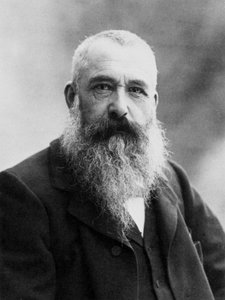
Utforska Claude Monets värld, impressionismens mästare känd för att fånga flyktigt ljus och färg genom ikoniska landskap som Näckrosor och Höstackar.
§ 3Kommentarer
A Moment Frozen in Light: Exploring Claude Monet’s “The Magpie”
Claude Monet's "The Magpie," painted during the winter of 1868-1869 amidst the snow-covered landscapes of Normandy, stands as a cornerstone of Impressionism—a movement that revolutionized painting by prioritizing fleeting impressions over meticulous realism. More than just a depiction of a bird perched upon a fence, this artwork embodies Monet’s groundbreaking approach to capturing the essence of nature through color and light, cementing its place in art history.
- Subject Matter: The scene portrays a solitary black magpie resting on a gate constructed from wattle fencing against a backdrop of freshly fallen snow. This seemingly simple composition belies the profound artistic intent behind it.
- Style & Technique: Monet’s masterful brushstrokes—loose, visible, and blended—are characteristic of Impressionism. He eschewed traditional blending methods, opting instead for juxtaposed colors to convey the shimmering effect of sunlight filtering through snow crystals. This technique is brilliantly demonstrated in the vibrant blue shadows cast by the sun, a revolutionary departure from academic conventions.
- Historical Context: Painted during a period marked by significant scientific advancements concerning color perception—particularly the theories championed by Goethe and Chevreul—Monet’s work reflects this intellectual ferment. Artists were actively experimenting with how light interacts with pigment, challenging established artistic dogma.
The Influence of Goethe & Chevreul
Johann Wolfgang von Goethe's philosophical explorations into color theory profoundly impacted Monet and his contemporaries. Goethe argued that colors don’t exist independently but rather influence each other, creating a unified visual experience. Michel Eugène Chevreul corroborated this notion with scientific experiments demonstrating how complementary colors heighten perception.
Monet embraced these ideas, recognizing the importance of portraying not just what the eye sees but also what it *feels*. He meticulously studied the interplay between color and light to achieve an unprecedented level of expressive accuracy—a feat that would inspire generations of artists.
A Window into Monet’s Vision
"The Magpie" isn't merely a beautiful landscape; it’s a testament to Monet’s artistic philosophy. It exemplifies his unwavering dedication to capturing the transient beauty of the natural world, prioritizing emotion and sensation over precise representation. The painting invites viewers to contemplate the subtle nuances of light and color—to experience the magic of winter snow as Monet himself did.
Where to Admire “The Magpie”
A masterpiece housed in Musée d’Orsay, Paris, "The Magpie" offers a captivating glimpse into Impressionism's artistic spirit. Visitors can immerse themselves in the grandeur of Napoleonic art alongside Monet’s iconic landscapes—a truly enriching cultural encounter.
Frågor och svar
Var kan jag hitta en guide till "untitled (463)"?
En Faktablad för elever-sida finns tillgänglig för "untitled (463)" av Claude Monet: ett utskrivbart faktablad om konstverket, utformat för studenter och undervisning i klassrummet.
Vem har skapat "untitled (463)" och i vilken stil är den utförd?
"untitled (463)" skapades av Claude Monet i Impressionist Landscape-stil. Konstnären och stilen definierar verkets tradition.
Vilket medium är "untitled (463)" av Claude Monet utförd i?
Claude Monet använde tekniken Acrylic On Canvas för "untitled (463)". Tekniken definierar det ursprungliga verkets materiella karaktär.


 Byt till tryck


 För konstverk eller reproduktioner som är större än 105 cm (cirka 41 tum) på någon sida, levereras ramen som ett isärplockat kit. Denna metod säkerställer en trygg leverans och förhindrar skador under transport.


