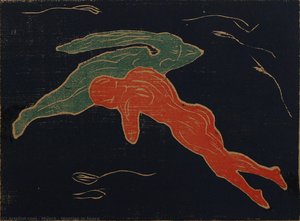
Visa i rummet
 Skicka
 Dela
Dela
 Detaljer
 Studentguide för konstverk

 Ladda ner
 Liknande objekt
 Röntgen
 Bildspel
 Besökstatistik
The funeral


 Läs mer
Giclée / Konsttryck
Giclée- eller canvasprint av museumskvalitet med snabb produktion och flexibla ytbehandlingsalternativ. ( Köp handmålat konstverk Byt till digital bildförsäljning)




P118B Skr10

P118H Skr10

P118W Skr10

P438Z Skr10

P508JH Skr12

P508YH Skr12

P805H Skr10

P805Z Skr10

P919BZ Skr10

P919G Skr10

P919XJ Skr10

P959ZH Skr10

P968JZ Skr12

W106C Skr8

W218G Skr10

W218JH Skr8

W218Y Skr10

W307PJ Skr10

W316G Skr10

W316PJ Skr8

W316Y Skr10

W398PJ Skr8

W4111J Skr10

W500HY Skr15

W500JH Skr15

W692G Skr12

W849H Skr8

W940BG Skr15

W953PJ Skr8




Välj bland våra förinställda storlekar som motsvarar konstverkets ursprungliga proportioner.

Ange den bredd och höjd du behöver, för att passa din ram eller din vägg. Ett tryck kan endast beskäras, aldrig göras större än bilden, vilket innebär att ett format med en annan formform leder till att en del av bilden går förlorad. Vi skickar en digital mockup för godkännande innan vi trycker något. Bilden som visas på denna sida visar inte den faktiska beskärningen — det är endast mockuppen som gör det.
Leverans över hela världen () på 2 veckor istället för standard 4/5 veckor. (23 oktober)

Fri expressfrakt över hela världen

Högkvalitativ linnecanvas

Fullständig fraktförsäkring

Garantier för återbetalning av tullavgifter

Garantier för exakt färgåtergivning

100 dagars returrätt vid fabrikationsfel

100% pengarna tillbaka-garanti

Mängdrabatt erbjuds
 Glasalternativet är endast tillgängligt i storlekar under 110 cm.

The funeral
Giclée / Konsttryck
Reproduktionsstorlek
-


Totalpris
Skr 635
A Scene of Profound Mourning: Unveiling Edvard Munch’s ‘The Funeral’ (1896)
Edvard Munch, a pivotal figure in the development of modern art, delivers a deeply affecting portrayal of grief and loss in his 1896 painting, *The Funeral*. This work stands as a powerful example of Expressionism, a movement that prioritized subjective emotional experience over objective reality. More than just a depiction of a funeral procession, it’s an exploration of the universal human condition – our confrontation with mortality and the weight of sorrow.The Artist: A Life Marked by Melancholy
Born in 1863, Edvard Munch's life was tragically shadowed by illness and death. The early loss of his mother and sister to tuberculosis, coupled with a family history of mental instability, profoundly impacted his artistic vision. He channeled these personal traumas into his work, seeking not to merely represent the world as it appeared, but to express the inner turmoil he experienced. His studies at the Royal School of Art and Design in Kristiania (Oslo) led him towards a bohemian lifestyle influenced by philosophical ideas that encouraged ‘soul painting’ – an artistic expression rooted in personal emotion. This foundation shaped his distinctive style and cemented his place as a forerunner of Expressionism.Expressionism: A Revolution in Artistic Feeling
*The Funeral* embodies the core tenets of Expressionism. Emerging in the early 20th century, this movement rejected traditional artistic conventions in favor of bold colors, distorted forms, and intensely personal expression. Expressionist artists aimed to convey their subjective feelings about the world rather than simply replicating its appearance. The use of vibrant yet somber color palettes, combined with loose brushwork, became hallmarks of the style – techniques Munch masterfully employs in this painting. It wasn’t limited to painting; it also influenced sculpture and collage, all united by a desire to express inner experience.Deconstructing ‘The Funeral’: Composition & Technique
The painting presents a crowded interior scene dominated by figures consumed by grief. The composition is deliberately claustrophobic, with the dark green walls pressing in on the mourners. Munch’s brushstrokes are visible and expressive, contributing to the raw emotional intensity of the work. Warm oranges and yellows in the foreground offer a stark contrast to the cool greens, drawing the viewer's eye to the central figures. The technique is characterized by layering paint – creating texture and depth that enhance the painting’s somber mood. The flattened perspective further contributes to the feeling of confinement and emotional weight.Symbolism & Emotional Resonance
*The Funeral* is rich in symbolic meaning. The bowed heads, clasped hands, and overall posture of the figures convey profound sadness and despair. It’s believed that the painting is part of Munch's larger series, ‘The Frieze of Life’, which explores themes of love, anxiety, jealousy, and death. The presence of a portrait on the wall likely represents the deceased, serving as a focal point for mourning. The overall atmosphere evokes feelings of loss, spiritual reflection, and the inescapable reality of mortality. It’s not simply *about* a funeral; it's about the experience of grief itself.Historical Context & Legacy
Created in 1896, *The Funeral* reflects the anxieties and uncertainties of the fin-de-siècle period – a time marked by social upheaval and philosophical questioning. Munch’s work anticipated many of the themes that would come to define 20th-century art and thought. His influence can be seen in the works of numerous artists who followed, solidifying his position as a visionary figure in modern art history. Today, *The Funeral* continues to resonate with viewers, offering a poignant meditation on life, death, and the enduring power of human emotion.- For those seeking to experience Munch’s artistry firsthand, The Lehmbruck Museum in Germany houses an impressive collection of modern sculptures and works by influential artists.
- Other notable masterpieces by Edvard Munch include The Scream, Model in Front of the Verandah, and The Sick Child II.
Frågor och svar
Hur kan jag köpa ett tryck av "The funeral" av Edvard Munch?
För att beställa ett tryck av "The funeral" av Edvard Munch, gå helt enkelt till dess sida för Konsttryck i hög kvalitet: ett konsttryck på bomullscanvas eller arkivbeständigt canvaspapper.
Vilken teknik har använts för "The funeral"?
Edvard Munch använde tekniken Oil On Canvas för "The funeral". Tekniken definierar det ursprungliga verkets materiella karaktär.
Vilken fas av Edvard Munchs utveckling representerar "The funeral"?
"The funeral" representerar Edvard Munchs Mature Period.
Liknande konstverk


Om konstnären
Ett liv i skuggans värld: Edvard Munchs kosmos
Edvard Munch, född 1863 i det karga norska landskapet, är en konstnär vars verk kom att bli synonymt med modernitetens ångest och emotionella turbulens. Hans liv, djupt präglat av förlust och en genomgripande melankoli, utgjorde källan till hans starkt expressiva konst. Uppväxten kastades i skuggan av tidiga dödsfall – modern och systern avled båda i tuberkulos – vilket utvecklade ett djupt vemod och en fascination för dödlighetens natur. Dessa upplevelser var inte bara biografiska detaljer; de blev kärnan i hans konstnärliga vision, drivkraften bakom en obeveklig utforskning av det inre landskapet av rädsla, sorg och längtan. Faderns stränga religiösa övertygelser och Munchs egna psykiska kamp bidrog ytterligare till den känsla av ångest som genomsyrade hans värld, formande inte bara hans personliga liv utan också det symboliska språket i hans måleri. Han nöjde sig inte med att återge scener; han externaliserade ett inre tillstånd, översatte psykisk nöd till visuell form.
Från realism till självmålning: Munchs konstnärliga resa
Munchs konstnärliga färd började med en formell utbildning vid Statens kunstakademi i Kristiania (Oslo), men det var mötet med den bohemiska kretsen och Hans Jægers nihilistiska filosofi som verkligen tände hans kreativa eld. Jæger uppmuntrade Munch att överge konventionella akademiska stilar och istället fördjupa sig i sin egen subjektiva erfarenhet, ett begrepp han kallade “självmålning”. Denna vändpunkt markerade början på Munchs särpräglade stil – en präglad av råa känslor, förvrängda former och ett avståndstagande från naturalistisk representation. Hans resor till Paris under 1890-talet exponerade honom för den spirande postimpressionismen, där han absorberade influenser från konstnärer som Paul Gauguin, Vincent van Gogh och Henri de Toulouse-Lautrec. Den djärva färganvändningen, expressiva penseldragen och psykologiska intensiteten hos dessa mästare resonerade djupt med Munchs egna konstnärliga ambitioner. Han imiterade inte bara deras tekniker; han syntetiserade dem till något unikt hans eget – ett visuellt språk som förmådde uttrycka de djupaste och mest oroande mänskliga känslorna. Tiden i Berlin var också avgörande, då han kom i kontakt med dramatikern August Strindberg, vars utforskning av psykologiska teman ytterligare bränsle till Munchs konstnärliga undersökningar.
Ikoniska visioner: Verkens symbolik och betydelse
Munchs oeuvre är befolkat av bilder som har etsat sig fast i det kollektiva medvetandet. Skriet, kanske hans mest ikoniska verk, överskrider sin status som målning för att bli en universell symbol för existentiell ångest. Det virvlande, eldiga landskapet och figurens förvrängda ansikte uttrycker ett ursprungligt skrik mot universums likgiltighet. Madonna, ett kontroversiellt och djupt personligt verk, utforskar teman som sexualitet, moderskap och dödlighet med oroande ärlighet. Återkommande motiv som Det sjuka barnet – inspirerat av förlusten av systern Sophie – påminner smärtsamt om Munchs barndomstrauma och den ständigt närvarande dödens skugga. Melankoli I & II, kraftfulla framställningar av djup sorg och isolering, avslöjar en sårbarhet som är både djupt personlig och universellt relaterad. Dessa verk är inte bara representationer av yttre verklighet; de är fönster in i konstnärens själ, som erbjuder betraktaren en oförskräckt blick in i den mänskliga psykes mörkaste hörn. Munch strävade inte efter att skapa vackra bilder; han sökte sanningen – även om den var smärtsam och oroande.
Ett bestående arv: Historisk betydelse och inflytande
Edvard Munchs bidrag till modern konst är omätbart. Han står som en nyckelfigur i utvecklingen av expressionismen, banade väg för konstnärer som prioriterade subjektiva känslor framför objektiv representation. Hans kompromisslösa utforskning av universella mänskliga erfarenheter – kärlek, förlust, ångest och död – fortsätter att resonera med publiken idag, vilket befäster hans plats som en av de mest inflytelserika och bestående figurerna i konsthistorien. Hans verk har haft en djupgående inverkan på efterföljande generationer av konstnärer, influerat rörelser som tysk expressionism och bortom. Han vågade konfrontera den mörkare aspekten av det mänskliga tillståndet, utmanade konventionella uppfattningar om skönhet och konstnärlig representation. Även efter att ha uppnått berömmelse och erkännande – kulminerande i etableringen av Munchmuseet i Oslo – förblev hans personliga liv turbulent, präglat av perioder av psykisk instabilitet och isolering. Men genom allt detta fortsatte han att skapa, lämnade efter sig ett verk som fortsätter att provocera, utmana och inspirera. Munchs arv handlar inte bara om själva målningarna; det handlar om modet att konfrontera komplexiteten i den mänskliga existensen och att översätta dessa erfarenheter till konst som talar till de djupaste delarna av vår varelse.
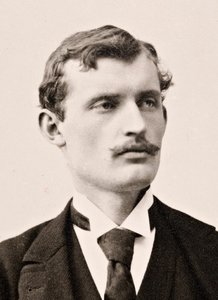
Edvard Munch
1863 - 1944 , Sverige
Snabbfakta
- Artistic Movement Or Style: Expressionism
- Artists Or Movements Influenced By This Artist: ['Tysk Expressionism']
- Artists Who Influenced This Artist:
- Paul Gauguin
- Van Gogh
- Date Of Birth: 12 december 1863
- Date Of Death: 23 januari 1944
- Full Name: Edvard Munch
- Nationality: Norsk
- Notable Artworks:
- The Scream
- Madonna
- The Sick Child
- Place Of Birth: Ådalsbruk, Sverige
Relaterade artiklar

Edvard Munchs 25 Mästerverk: En Djupdykning i Konst och Känsla | AllPaintingsStore
Utforska Edvard Munchs 25 mest ikoniska konstverk – från 'Skrik' till 'Livsfrisen'. Lär dig om expressionism, symbolik och den djupa känslan i hans målningar. Köp museumskvalitets reproduktioner & inred med tidlös konst på AllPaintingsStore.com

Edvard Munch: Anxiety, Modernity & the Dawn of Expressionism
Explore the profound world of Edvard Munch, pioneer of Expressionism. Discover the origins of 'The Scream' & his haunting depictions of anxiety, mortality, and love. Expert analysis & high-quality reproductions at AllPaintingsStore.

Figurative Expressionism: Mastering the Art of Raw Emotion and the Human Form
Explore the profound depth of Figurative Expressionism. From Edvard Munch to William H. Johnson, learn how masters use the human form to capture raw emotion through color and distortion in this expert art history guide.

The Raw Emotion of Expressionism: A Deep Dive into its History, Characteristics & Enduring Influence
Explore the raw emotion of Expressionism with AllPaintingsStore. Discover its history, key artists like Kirchner & Munch, and lasting influence on modern art. Expert insights for collectors & enthusiasts.

Expressionismens 10 Mästerverk: Konst som Berör Själv och Hem
Utforska expressionismens 10 mest ikoniska mästerverk! Lär känna Munch, Kirchner & Kandinsky. Upptäck historien bakom dessa färgstarka och emotionella konsttryck. Museumkvalitet på AllPaintingsStore.com – hitta din perfekta tavla online!