


 Förhandsvisa
 Skicka
 Dela
Dela
 Visa detaljer
 Guide
Guide

 Ladda ner
 Liknande objekt
 Röntgen
 Bildspel
 Statistik
st. ildefonso


 Visa mer
Get a print-ready file that goes far beyond the web preview. Every digital image we sell comes from a high-resolution master in our stock database — usually 5,000 to 15,000 pixels wide — so you can print large, crop tightly, or reproduce fine detail with confidence.
No file leaves our studio untouched. A digital expert checks the colors against the original painting and corrects them if needed, then improves clarity and detail with professional retouching tools — always staying faithful to the artist's brushwork and style. The result is an image that looks like the painting, not like a filtered scan.
You approve before you're done: our expert sends the image by e-mail within 72 hours for your review. Not satisfied? Ask for improvements or corrections, or request a refund if the quality falls short.
This is the quality relied on by publishers, design studios, galleries and print shops.
Digital bild
Ladda ner en högupplöst fil för personlig visning, utskrift och kreativa projekt. ( Byt till tryck Beställ handmålad reproduktion)
Ingår i varje beställning av digital bild
Professionell digital leverans, garanterad
När du väljer AllPaintingsStore.com får du inte bara en bild – du får ett professionellt förädlat digitalt konstverk, skapat med precision och med en garanterad tillfredsställelse. Här är allt som ingår i din beställning, automatiskt:

Snabb leverans via e-post
Din högupplösta digitala bild skickas till dig via e-post inom 72 timmar efter beställning – redo för omedelbar användning.

AI-förbättrad digital fil
Ditt konstverk optimeras professionellt med hjälp av avancerade AI-verktyg och manuell redigering, vilket garanterar maximal detaljrikedom, skärpa och färgnoggrannhet.

Fri livstidsåterleverans
Har du råkat radera eller tappa bort din fil? Ingen oro – vi skickar den kostnadsfritt till dig när som helst.

Inga importavgifter – någonsin
Njut av ditt konstverk omedelbart utan tull, importavgifter eller leveranskostnader – digitala nedladdningar är alltid skattefria.

Garanterad färgåtergivning
Vi säkerställer att din digitala bild återger de ursprungliga färgerna så exakt som möjligt med hjälp av professionella verktyg och färghantering.

100 dagars nöjdhetsgaranti
Om du inte är nöjd med din digitala bild kommer vi att revidera den eller återbetala 100% inom 100 dagar – utan frågor.

100% pengarna-tillbaka-garanti
Inte nöjd? Få full återbetalning inom 100 dagar efter att du mottagit din digitala fil – utan frågor.

Rabatt vid storköp
Köp 3 bilder, spara 10% – Köp 5, spara 15% – Köp 10+, spara 20%. Perfekt för kreativa projekt, gallerier och byråer.
A Vision of Devotion: The Spiritual Majesty of St. Ildefonso
In the quiet, hallowed atmosphere of El Greco’s St. Ildefonso, the viewer is not merely observing a portrait but is invited into a profound moment of spiritual communion. Created during the artist's mature period in Toledo, this masterpiece captures the essence of a saint whose life was defined by unwavering faith and intellectual rigor. The central figure, St. Ildefonso, sits with a serene yet heavy solemnity, his presence commanding the space around him. As he rests at a table laden with scholarly documents, the painting transcends simple portraiture to become a meditation on the intersection of human intellect and divine inspiration. For the discerning collector or lover of classical art, this work offers more than visual beauty; it provides a window into the very soul of the Spanish Renaissance.
The artistry of El Greco is nowhere more evident than in his masterful command of Mannerist techniques. The figure of the saint possesses that signature elongated grace, a stylistic choice that serves to pull the viewer's gaze upward, symbolizing the aspiration toward the heavens. Through the meticulous application of glazing, El Greco achieves a luminous quality, where light does not simply hit the surface but seems to emanate from within the skin and fabric of the subject itself. This interplay of chiaroscuro—the dramatic tension between deep, velvety shadows and brilliant, ethereal highlights—sculpts the saint's features with an emotional intensity that is both haunting and deeply moving.
Symbolism and the Texture of Faith
Every element within the composition of St. Ildefonso has been carefully orchestrated to reinforce its theological depth. The papers and books scattered across the table are not mere props; they represent the saint's role as a scholar and a defender of the faith, grounding his spiritual ecstasy in the tangible world of study and administration. The dark, somber robes of the figure provide a stark, dramatic contrast to the subtle, golden radiance that permeates the scene, creating a visual metaphor for the light of God piercing through the shadows of earthly existence. This balance of weight and light makes the painting an extraordinary focal point for any sophisticated interior, offering a sense of gravitas and timelessness.
To possess or display a reproduction of this work is to bring a piece of Toledo's historical grandeur into one's own space. The painting reflects a period of fervent piety and artistic innovation, where the boundaries between the physical and the metaphysical were beautifully blurred. Whether placed in a curated gallery setting or as a centerpiece in a thoughtfully designed study, St. Ildefonso continues to resonate with its ability to evoke contemplation, peace, and a sense of historical wonder. It remains an enduring testament to El Greco's unique ability to capture the intangible essence of the divine through the medium of oil and canvas.
Frågor och svar
Använder "st. ildefonso" av El Greco starka kontraster eller mjuka harmonier?
Färganalysen av "st. ildefonso" av El Greco uppvisar en Balanced kontrast och en Strong Color Unity harmoni.
Finns det ett faktablad om "st. ildefonso" av El Greco för studenter?
Guiden till "st. ildefonso" är konstverkets Faktablad för elever-sida – ett utskrivbart faktablad som visar konstverket tillsammans med dess bildtext, källhänvisning och identitetstabell (konstnär, datum, medium, originalstorlek, samling).
Är färgerna i "st. ildefonso" av El Greco mättade eller dämpade?
Färgerna i "st. ildefonso" av El Greco har en Balanced Soft mättnad. Mättnad beskriver hur livfulla eller dämpade färgerna är.


Konstnärsbiografi
Doménikos Theotokópoulos, Known As El Greco – A Life Forged in Faith and Fire
Doménikos Theotokópoulos, universally recognized as El Greco – “the Greek” – stands apart from his contemporaries as a painter whose life and artistic output defied easy categorization. Born in Crete, Greece, around 1541, during the Venetian dominion of the island, his artistic journey unfolded across Venice and Rome before ultimately finding its most profound expression within the spiritual landscape of Spain: Toledo. El Greco wasn’t merely shaped by these locations; he synthesized their diverse influences into a singular style—one that foreshadowed the emotive fervor of Expressionism and the fragmented forms characteristic of Cubism centuries ahead of time. His formative years immersed in Byzantine iconography instilled within him meticulous attention to detail and an instinctive grasp of religious symbolism, grounding his artistic endeavors. Yet, he refused to be confined by tradition; he boldly embraced innovation, propelling himself beyond established conventions. He signed his canvases with Greek lettering – “Krḗs” – signifying his Cretan heritage—a defiant assertion of identity as he ventured into uncharted artistic territories. The genesis of El Greco’s distinctive style wasn't solely rooted in technique but also nurtured by the fervent religious fervor permeating Crete and invigorated by the opulent artistry emanating from Venice.From Venetian Influence to Roman Exposure – A Transformation
Around 1567, El Greco relocated to Venice, initiating a pivotal phase of artistic maturation. Surrounded by luminaries like Titian, Tintoretto, and Veronese—masters who perfected color palettes, compositional strategies, and dramatic illumination—he absorbed their expertise with unwavering dedication. He deliberately loosened his brushstrokes, embracing the sensual richness of oil paint and injecting dynamism into his depictions of figures. This Venetian imprint is palpable in early works such as *St. Sebastian* (1600), where anatomical precision merges seamlessly with theatrical lighting, creating a mesmerizing visual experience. Subsequently, his sojourn in Rome exposed him to Mannerism—a stylistic movement characterized by elongated proportions, distorted perspectives, and sophisticated arrangements—though he struggled to gain widespread acclaim within the competitive Roman artistic milieu. Despite encountering challenges in establishing himself as a celebrated artist, El Greco’s exploration of Mannerist principles undeniably broadened his artistic horizons.A Singular Style – Long Lines and Intense Emotion
El Greco's artistic style is instantly recognizable—a stylistic hallmark that continues to resonate with audiences today. His figures are frequently rendered with elongated proportions, their bodies contorted in poses conveying profound spiritual ecstasy or agonizing sorrow. This isn’t mere stylistic embellishment; it’s a deliberate attempt to transcend the physical realm and portray intangible realities—the unseen forces shaping human experience. He skillfully manipulated color—often employing hues far removed from naturalistic representations—to amplify emotional impact, mirroring the fervor of his subject matter. Dramatic lighting—characterized by stark contrasts between illumination and darkness—creates a theatrical atmosphere, drawing viewers into the core of the depicted scene and intensifying its emotive power. *The Burial of the Count of Orgaz* (1586-1588), arguably El Greco’s magnum opus, exemplifies these stylistic elements flawlessly. This monumental painting portrays a miraculous event – the ascension of saints to bury a pious nobleman—with remarkable realism interwoven with ethereal figures embodying divine intervention. It stands as testament to his ability to fuse meticulous observation with visionary imagination.Toledo and Spiritual Depth
El Greco’s artistic trajectory culminated in his relocation to Toledo in 1577, coinciding with the ascendancy of the Counter-Reformation—a period marked by fervent religious devotion within Spain. This environment fostered both patronage and an atmosphere conducive to El Greco's deeply spiritual artistic endeavors. He channeled his convictions into canvases imbued with palpable emotion and symbolic resonance, reflecting a profound detachment from conventional aesthetic norms. His oeuvre expanded considerably during this time, producing iconic works that cemented his legacy as one of the foremost artists of his era.Legacy and Recognition – A Pioneer Ahead Of His Time
Despite encountering difficulties gaining widespread recognition during his lifetime—primarily due to stylistic divergences from prevailing artistic trends—El Greco’s genius was belatedly acknowledged in the 20th century. Artists like Picasso and Braque recognized him as a precursor to modern art, particularly Cubism, admiring his distorted forms and unconventional perspectives. His expressive style captivated Expressionists who sought to convey emotional intensity through bold colors and dramatic compositions. Today, El Greco is revered as one of the most influential figures in Western artistic history—a visionary painter whose work continues to inspire awe and provoke contemplation centuries after its creation. He remains a beacon of artistic innovation, demonstrating that true artistry transcends temporal boundaries and speaks directly to the human spirit’s yearning for transcendence.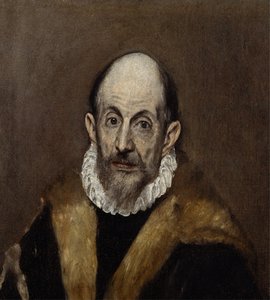
El Greco
1541 - 1614 , Griechenland
Kort om konstnären
- Artistic Movement Or Style: Mannerism och Barock
- Artists Who Influenced This Artist:
- Titian
- Tintoretto
- Date Of Birth: 1541
- Date Of Death: 1614
- Full Name: Doménikos Theotokópoulos
- Nationality: Grekisk-Spansk
- Notable Artworks:
- Burial av räknaren Orgaz
- Vy över Toledo
- El Espolio
- Heliga Sebastian
- Place Of Birth: Crete, Greece

