


 Förhandsvisa
 Skicka
 Dela
Dela
 Visa detaljer

 Ladda ner
 Liknande objekt
 Röntgen
 Bildspel
A Forest Path

 Visa mer
Giclée / Konsttryck
Giclée- eller canvasprint av museumskvalitet med snabb produktion och flexibla ytbehandlingsalternativ. ( Beställ handmålad reproduktion Köp högupplöst bild)




P118B $10

P118H $10

P118W $10

P438Z $10

P508JH $12

P508YH $12

P805H $10

P805Z $10

P919BZ $10

P919G $10

P919XJ $10

P959ZH $10

P968JZ $12

W106C $8

W218G $10

W218JH $8

W218Y $10

W307PJ $10

W316G $10

W316PJ $8

W316Y $10

W398PJ $8

W4111J $10

W500HY $15

W500JH $15

W692G $12

W849H $8

W940BG $15

W953PJ $8




Välj bland våra förinställda storlekar som motsvarar konstverkets ursprungliga proportioner.

Du kan ange egna mått för att passa en specifik ram eller yta. Om det valda måttet inte överensstämmer med originalbildens proportioner kommer vi antingen att beskära konstverket eller utöka bilden med en speglad eller enfärgad kant. En digital mockup skickas för ditt godkännande innan produktionen påbörjas.
Vänligen notera att förhandsvisningen på skärmen inte återspeglar den faktiska beskärningen eller utökningen. Endast mockuppen visar den slutgiltiga kompositionen korrekt.
Även om anpassade storlekar är möjliga, rekommenderar vi att du väljer ett mått från den fördefinierade listan för att bevara de ursprungliga proportionerna.
Leverans över hela världen () på 2 veckor istället för standard 4/5 veckor. (22 augusti)

Fri expressfrakt över hela världen

Högkvalitativ linnecanvas

Fullständig fraktförsäkring

Garantier för återbetalning av tullavgifter

Garantier för exakt färgåtergivning

60 dagars returrätt (endast vid fabrikationsfel)

100% pengarna tillbaka-garanti

Mängdrabatt erbjuds
 Glasalternativet är endast tillgängligt i storlekar under 110 cm.

A Forest Path
Giclée / Konsttryck
Storlek på reproduktion
-


Slutgiltigt pris
$ 64
Om samlarobjektet
A Tranquil Journey: "A Forest Path" by Emilio Longoni
Step into a world of serene beauty with Emilio Longoni’s “A Forest Path,” an evocative landscape painting that captures the quiet majesty of the Italian countryside. This work transports viewers to a secluded grove of birch trees, where a winding path beckons towards a distant, hazy expanse – perhaps a clearing or a tranquil body of water. The scene exudes a sense of peaceful solitude, inviting contemplation and escape from the bustle of everyday life.Impressionistic Technique & Divisionist Influences
Longoni’s style is firmly rooted in Impressionism, evident in his masterful use of visible brushstrokes and broken color. The painting isn't about photographic realism; instead, it prioritizes the *impression* of light and atmosphere. Notice how the artist layers paint to build up texture and depth, creating a vibrant surface that shimmers with subtle variations in tone. While primarily Impressionistic, hints of Divisionism—a movement Longoni explored—can be detected in the deliberate separation of colors, contributing to the painting’s luminous quality. The technique involves layering paint to build up color and texture. The materials appear to be oil paints on canvas, judging by the visible impasto and blending of colors.Subject & Composition: A Study in Verticality
The subject matter is a quintessential landscape – a natural scene emphasizing the beauty and tranquility of a forest. The composition is strikingly vertical, dominated by the slender trunks of the birch trees which draw the eye deep into the forest's embrace. This creates a sense of perspective, with the diminishing size of the trees guiding the viewer’s gaze towards the distant horizon. The soft, diffused lighting—suggesting an overcast day or late afternoon—further enhances the painting’s tranquil mood. The flattened perspective prioritizes atmosphere over strict realism, immersing the viewer in the scene's quietude.Historical Context & Artistic Journey
Emilio Longoni (1859-1932) was an Italian painter who flourished during a period of significant artistic experimentation. Born in Barlassina, he studied at the Brera Academy in Milan alongside prominent figures like Gaetano Previati and Giovanni Segantini. His early career included still lifes, but he later turned to landscapes, influenced by both Impressionist principles and the emerging Divisionist movement. Longoni’s exploration of light and color reflects a broader artistic trend towards capturing subjective experience rather than objective reality—a hallmark of late 19th-century European art. His association with Segantini introduced him to the brothers Alberto and V—further enriching his artistic development.Emotional Impact & Decorative Appeal
“A Forest Path” evokes a profound sense of serenity and immersion in nature. The painting’s calming palette, coupled with its evocative subject matter, makes it an ideal choice for creating a peaceful atmosphere within any interior space. Whether adorning a living room, study, or bedroom, this reproduction will bring a touch of Italian artistry and natural beauty to your home. It's a piece that invites quiet contemplation and offers a welcome respite from the demands of modern life.Liknande konstverk


Konstnärsbiografi
Emilio Longoni: A Pioneer of Divisionism and Alpine Spirituality
Emilio Longoni (1859 – 1932) stands as a significant figure in Italian Impressionist painting, particularly renowned for his masterful depiction of alpine landscapes infused with Buddhist influences. Born in Barlassina, Lombardy, he descended from Matteo Longoni, a celebrated horseshoeer and volunteer soldier under Garibaldi, shaping his early life amidst the fervor of nationalist ideals. From a young age, Longoni demonstrated an unwavering passion for art, pursuing formal education after elementary school and embarking on a journey that would ultimately lead him to Milan’s artistic epicenter. His formative years were spent honing his skills at the Brera Academy night school alongside fellow luminaries like Gaetano Previati and Giovanni Segantini – artists who profoundly impacted Longoni's stylistic trajectory. The studio of Alberto and Vittore Grubicy, established in 1882, served as a crucial incubator for young talent, introducing him to influential patrons and fostering connections within the Milanese art world. Early exhibitions at the Brera showcased his burgeoning talent, establishing him as a promising artist on the cusp of recognition. Longoni’s artistic evolution began with meticulous still lifes capturing the subtleties of rural life—primarily executed during his time in Naples and Barlassina between 1880-1884—demonstrating an acute observation of natural forms and textures. However, it was his embrace of Divisionism, championed by Segantini, that cemented his legacy. This revolutionary technique, characterized by juxtaposed brushstrokes of complementary colors to create luminous effects, allowed Longoni to translate the grandeur of the alpine mountains onto canvas with unparalleled vibrancy and dynamism. His landscapes became a testament to this innovative approach, capturing not merely visual impressions but also conveying an inner spiritual resonance. Throughout his prolific career spanning from 1891 to 1932, Longoni participated in numerous prestigious exhibitions—both domestically and internationally—solidifying his reputation as one of Italy’s foremost landscape painters. He cultivated a deep connection with the Bernina Range, returning repeatedly to its peaks to paint directly from life, imbuing his canvases with an authentic sense of place and emotion. His clientele included prominent Milanese figures like Giovanni Torelli and Giuseppe Treves, reflecting the esteem he commanded within the artistic community. Furthermore, Longoni’s unwavering dedication to Buddhist principles profoundly shaped his worldview and informed his artistic vision—a duality that distinguishes him as a truly exceptional artist. His enduring contribution lies in his ability to synthesize Impressionistic aesthetics with Eastern spiritual contemplation. Longoni's paintings transcend mere representation; they invite viewers into a realm of serene beauty and contemplative reflection, mirroring the core tenets of Buddhist philosophy. Emilio Longoni’s legacy continues to inspire artists today, securing his place as a pivotal figure in the history of Italian art and a champion of alpine spirituality.
emilio longoni
1859 - 1932
Kortfakta
- Artistic Movement Or Style: Divisionist Art
- Artists Or Movements Influenced By This Artist: ['Impressionism']
- Artists Who Influenced This Artist: ['Giovanni Segantini']
- Date Of Birth: 1859
- Date Of Death: 1932
- Full Name: Emilio Longoni
- Nationality: Italian
- Notable Artworks:
- A Forest Path
- A Fisher Girl
- Milanese countryside
- Place Of Birth: Barlassina, Italy
Relaterade artiklar
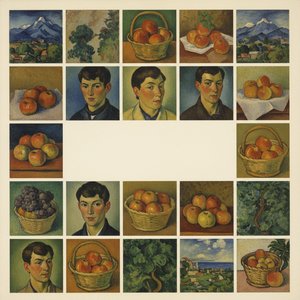
Paul Cézannes 25 Mästerverk: En Konsthistorisk Resa för Hemmet
Utforska Paul Cézannes 25 mest ikoniska målningar! Fördjupa dig i impressionismens värld, från Mont Sainte-Victoire till stillsben. Hitta inspiration & museumkvalitativa konsttryck på AllPaintingsStore.com.

Evocations of Place: A Historical Journey Through Landscape Art
Explore the rich history of landscape art with AllPaintingsStore. Discover renowned artists, movements like Impressionism & Romanticism, and expert guidance for collecting timeless pieces. Find your perfect serene escape today!

Arboreal Echoes: A Historical & Artistic Exploration of Trees in Painting
Explore the rich history of trees in painting! Discover symbolism, Romantic masterpieces by Caspar David Friedrich & beyond. A curated journey for art enthusiasts.

Evocations of Place: A Historical Journey Through Landscape Art
Explore the rich history of landscape art with AllPaintingsStore. Discover renowned artists, movements like Impressionism & tonalism, and expert guidance for collecting timeless pieces. Find your perfect serene escape today!

Romantiska landskap: Topp 10 mästerverk som definierade en epok – AllPaintingsStore.se
Utforska de 10 mest ikoniska mästerverken inom romantisk landskapsmålning! Lär känna Caspar David Friedrich, Turner & andra. Hitta inspiration och köp museumkvalitativa konsttryck på AllPaintingsStore.com.


