


 Förhandsvisa
 Skicka
 Dela
Dela
 Visa detaljer

 Ladda ner
 Liknande objekt
 Röntgen
 Bildspel
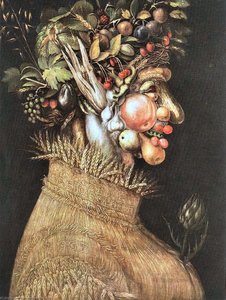
Composite Head
 1610
1610 65.0 x 48.0 cm
 Museo Nazionale di Capodimonte
 Visa mer
Giclée / Konsttryck
Giclée- eller canvasprint av museumskvalitet med snabb produktion och flexibla ytbehandlingsalternativ. ( Beställ handmålad reproduktion Köp högupplöst bild)




































Välj bland våra förinställda storlekar som motsvarar konstverkets ursprungliga proportioner.

Du kan ange egna mått för att passa en specifik ram eller yta. Om det valda måttet inte överensstämmer med originalbildens proportioner kommer vi antingen att beskära konstverket eller utöka bilden med en speglad eller enfärgad kant. En digital mockup skickas för ditt godkännande innan produktionen påbörjas.
Vänligen notera att förhandsvisningen på skärmen inte återspeglar den faktiska beskärningen eller utökningen. Endast mockuppen visar den slutgiltiga kompositionen korrekt.
Även om anpassade storlekar är möjliga, rekommenderar vi att du väljer ett mått från den fördefinierade listan för att bevara de ursprungliga proportionerna.
Leverans över hela världen () på 2 veckor istället för standard 4/5 veckor. (20 augusti)

Fri expressfrakt över hela världen

Högkvalitativ linnecanvas

Fullständig fraktförsäkring

Garantier för återbetalning av tullavgifter

Garantier för exakt färgåtergivning

60 dagars returrätt (endast vid fabrikationsfel)

100% pengarna tillbaka-garanti

Mängdrabatt erbjuds
 Glasalternativet är endast tillgängligt i storlekar under 110 cm.

Composite Head
Giclée / Konsttryck
Storlek på reproduktion
-


Slutgiltigt pris
$ 64
Om samlarobjektet
Composition and Symbolism
The central figure of the Composite Head is formed by a variety of produce, including apples, oranges, and berries. The arrangement of these items creates a sense of depth and dimensionality, drawing the viewer's eye into the painting. The use of bright colors and intricate details adds to the overall sense of realism, making the Composite Head a captivating piece. You can discover more about this artwork on AllPaintingsStore.com.Artist and Style
Francesco Zucchi was a skilled artist known for his still-life paintings, which often featured intricate arrangements of fruits, vegetables, and other objects. The Composite Head is a prime example of his work, showcasing his attention to detail and ability to create complex compositions. To learn more about the artist and his style, visit the Francesco Zucchi page on AllPaintingsStore.com.- The painting is a testament to Zucchi's skill as an artist and his ability to create unique and captivating works of art.
- The use of oil on canvas allows for a level of detail and realism that is characteristic of Zucchi's style.
- The Composite Head is a must-see for anyone interested in still-life paintings or the work of Francesco Zucchi.
For more information about the Museo Nazionale di Capodimonte and its collection, you can visit the museum's page on Wikipedia.
Liknande konstverk


Konstnärsbiografi
The Venetian Master of Myth and Light
Francesco Zucchi (1692–1764) stands as a pivotal figure in the Venetian Baroque, embodying the grandeur and intellectual fervor of his era. Born into a family deeply steeped in artistic tradition—his father was an accomplished engraver—Zucchi’s formative years were spent absorbing the stylistic precepts of masters such as Alessandro Galli Bibiena. This lineage of craftsmanship shaped him into a master artist deeply attuned to both classical ideals and the theatrical spectacle that defined the 18th-century Venetian spirit. His artistic output, which spanned breathtaking frescoes, intricate etchings, and grand decorative commissions, cemented his reputation as one of Venice's most versatile and respected creators.
The foundations of Zucchi’s unique style were laid at the Accademia Veneziana in Venice. Under the tutelage of figures like Giuseppe Cibernetti and the legendary Giovanni Battista Piranesi, he developed a profound fascination with perspective and spatial illusion. This exposure to Piranesi’s meticulous architectural drawings instilled in him an ability to manipulate depth and light, creating works that seemed to transcend the flat surface of the canvas or wall. Furthermore, his professional life was marked by significant collaborations; notably, his partnership with Antonio Canaletto allowed for a shared vision of Venetian life and landscapes, elevating the realism and elegance of the period's most celebrated depictions.
A Legacy in Fresco and Grandeur
Perhaps Zucchi’s most enduring contribution to the history of Italian art lies in his monumental decorative undertakings. His most ambitious achievement was the decoration of the Palazzo Labia in Venice, commissioned by Cardinal Giovanni Battista Castelli. Between 1736 and 1740, Zucchi executed a magnificent cycle of frescoes that remains a cornerstone of Venetian Baroque painting. These works, primarily inspired by the epic narratives of Virgil's Aeneid, showcased his unparalleled mastery of color, composition, and dramatic storytelling. Through a luminous palette and a sophisticated use of chiaroscuro, he captured the ethereal beauty of classical mythology with a sensitivity that moved viewers toward the divine.
Beyond the walls of grand palaces, Zucchi’s influence extended through the medium of printmaking. As an engraver, he possessed the technical precision required to translate complex textures and light into the permanent language of ink and paper. His work often involved:
- Reproductions of masterworks: Bringing the grandeur of large-scale paintings to a wider European audience through detailed engravings.
- City views and architectural studies: Capturing the intricate beauty of Northern Italian landscapes and urban vistas.
- Mythological narratives: Utilizing the precision of etching to explore classical themes with clarity and grace.
Historical Significance and Artistic Spirit
The significance of Francesco Zucchi extends far beyond his technical skill; he was a bridge between the heavy drama of the Baroque and the emerging lightness of the Rococo. His ability to blend the architectural rigor learned from Piranesi with the fluid, emotive qualities of Venetian color allowed him to navigate the changing tastes of the 18th century seamlessly. While his brother Andrea and other family members contributed to the rich tapestry of Venetian engraving, Francesco’s specific talent for large-scale narrative fresco painting ensured his place in the pantheon of great Italian decorators.
Today, Zucchi is remembered not merely as a craftsman, but as a painter of light. His works continue to evoke the splendor of a vanished Venice, reminding us of an era when art was used to transform physical spaces into mythological realms. Through his mastery of perspective and his devotion to classical storytelling, he left an indelible mark on the visual identity of the Venetian Baroque, ensuring that the legends of old would forever be illuminated by his brush.

francesco zucchi
1692 - 1764 , Italy
Kortfakta
- Artistic Movement Or Style: Neoclassical
- Artists Or Movements Influenced By This Artist: ['Robert Adam']
- Artists Who Influenced This Artist:
- Francesco Fontebasso
- Jacopo Amigoni
- Date Of Birth: Venice, Italy (1692)
- Full Name: Francesco Zucchi
- Nationality: Italian
- Notable Artworks:
- Composite Head
- San Francesco
- Place Of Birth: Venice


