


 Förhandsvisa
 Skicka
 Dela
Dela
 Visa detaljer

 Ladda ner
 Liknande objekt
 Röntgen
 Bildspel
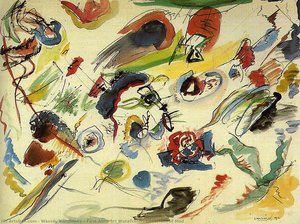
Cosmic Firebird
 Abstract Expressionism
 2005
2005 121.0 x 121.0 cm
 Visa mer
Giclée / Konsttryck
Giclée- eller canvasprint av museumskvalitet med snabb produktion och flexibla ytbehandlingsalternativ. ( Beställ handmålad reproduktion Köp högupplöst bild)




































Välj bland våra förinställda storlekar som motsvarar konstverkets ursprungliga proportioner.

Du kan ange egna mått för att passa en specifik ram eller yta. Om det valda måttet inte överensstämmer med originalbildens proportioner kommer vi antingen att beskära konstverket eller utöka bilden med en speglad eller enfärgad kant. En digital mockup skickas för ditt godkännande innan produktionen påbörjas.
Vänligen notera att förhandsvisningen på skärmen inte återspeglar den faktiska beskärningen eller utökningen. Endast mockuppen visar den slutgiltiga kompositionen korrekt.
Även om anpassade storlekar är möjliga, rekommenderar vi att du väljer ett mått från den fördefinierade listan för att bevara de ursprungliga proportionerna.
Leverans över hela världen () på 2 veckor istället för standard 4/5 veckor. (17 augusti)

Fri expressfrakt över hela världen

Högkvalitativ linnecanvas

Fullständig fraktförsäkring

Garantier för återbetalning av tullavgifter

Garantier för exakt färgåtergivning

60 dagars returrätt (endast vid fabrikationsfel)

100% pengarna tillbaka-garanti

Mängdrabatt erbjuds
 Glasalternativet är endast tillgängligt i storlekar under 110 cm.

Cosmic Firebird
Giclée / Konsttryck
Storlek på reproduktion
-


Slutgiltigt pris
$ 64
Liknande konstverk







Konstnärsbiografi
The Enduring Appeal of Nostalgia: The Art of Jack Armstrong
Jack Armstrong is an artist whose work resonates deeply with a sense of shared memory and the comforting glow of Americana. Born in 1948, he didn’t emerge from the traditional art school system but rather from a background steeped in commercial illustration and design. This formative experience proved pivotal, shaping his distinctive style that blends meticulous realism with a heartfelt embrace of mid-20th century culture. Armstrong's paintings aren’t simply depictions of objects; they are portals to a bygone era, evoking the sights, sounds, and feelings associated with post-war America – diners, classic cars, vintage toys, and the everyday ephemera that defined a generation. He is, at his core, a storyteller who uses imagery as his medium, inviting viewers to reconnect with their own personal histories and collective pasts.From Illustration to Iconography: A Developing Style
Armstrong’s early career focused on commercial art, creating illustrations for magazines, advertisements, and packaging. This period honed his technical skills – a mastery of light, shadow, and detail that remains central to his work today. However, he found himself increasingly drawn to subjects beyond the demands of client briefs. He began painting scenes from his childhood, initially as a personal exercise but soon recognizing a wider appeal. These early works featured meticulously rendered images of 1950s gas stations, chrome-laden automobiles, and brightly colored storefronts. He wasn’t interested in simply recreating these scenes; he sought to capture the *feeling* of them – the optimism, the energy, and the sense of possibility that characterized the era. This shift from illustration to fine art was marked by a growing emphasis on nostalgia, not as sentimental longing but as a powerful force for connection and understanding. He deliberately avoids any hint of irony or cynicism in his depictions, instead presenting these scenes with genuine affection and respect.Influences and Artistic Lineage
While Armstrong doesn’t explicitly cite specific artistic influences, the echoes of several movements can be detected in his work. The hyperrealism of artists like Richard Estes and Chuck Close is evident in his meticulous attention to detail, but Armstrong's paintings possess a warmth and emotional depth that sets them apart. The influence of Norman Rockwell is also apparent – not in terms of narrative complexity, but in the artist’s ability to evoke a strong sense of American identity and shared values.- Edward Hopper: The quiet solitude and evocative atmosphere found in Hopper's work resonate with Armstrong's depictions of everyday scenes.
- Pop Art: Although not directly aligned with the Pop Art movement, Armstrong shares its fascination with popular culture and consumerism, albeit approached from a more personal and less critical perspective.
- American Regionalism: The focus on distinctly American subjects and landscapes connects him to artists like Grant Wood and Thomas Hart Benton.




