


 Visa i rummet
 Skicka
 Dela
Dela
 Detaljer
 Studentguide för konstverk

 Ladda ner
 Liknande objekt
 Röntgen
 Bildspel
 Besökstatistik
Stable at Cuenca
 Oil On Canvas
- WallArt
- Impressionism
 1903
1903 57.0 x 72.0 cm
 Smithsonian American Art Museum
 Läs mer
Giclée / Konsttryck
Giclée- eller canvasprint av museumskvalitet med snabb produktion och flexibla ytbehandlingsalternativ. ( Köp handmålat konstverk Byt till digital bildförsäljning)




P118B Skr10

P118H Skr10

P118W Skr10

P438Z Skr10

P508JH Skr12

P508YH Skr12

P805H Skr10

P805Z Skr10

P919BZ Skr10

P919G Skr10

P919XJ Skr10

P959ZH Skr10

P968JZ Skr12

W106C Skr8

W218G Skr10

W218JH Skr8

W218Y Skr10

W307PJ Skr10

W316G Skr10

W316PJ Skr8

W316Y Skr10

W398PJ Skr8

W4111J Skr10

W500HY Skr15

W500JH Skr15

W692G Skr12

W849H Skr8

W940BG Skr15

W953PJ Skr8




Välj bland våra förinställda storlekar som motsvarar konstverkets ursprungliga proportioner.

Ange den bredd och höjd du behöver, för att passa din ram eller din vägg. Ett tryck kan endast beskäras, aldrig göras större än bilden, vilket innebär att ett format med en annan formform leder till att en del av bilden går förlorad. Vi skickar en digital mockup för godkännande innan vi trycker något. Bilden som visas på denna sida visar inte den faktiska beskärningen — det är endast mockuppen som gör det.
Leverans över hela världen () på 2 veckor istället för standard 4/5 veckor. (25 oktober)

Fri expressfrakt över hela världen

Högkvalitativ linnecanvas

Fullständig fraktförsäkring

Garantier för återbetalning av tullavgifter

Garantier för exakt färgåtergivning

100 dagars returrätt vid fabrikationsfel

100% pengarna tillbaka-garanti

Mängdrabatt erbjuds
 Glasalternativet är endast tillgängligt i storlekar under 110 cm.

Stable at Cuenca
Giclée / Konsttryck
Reproduktionsstorlek
-


Totalpris
Skr 634
A Moment of Rural Tranquility: John Singer Sargent’s “Stable at Cuenca”
John Singer Sargent's "Stable at Cuenca," painted in 1903, isn’t merely a depiction of horses and people; it’s a carefully constructed tableau of quiet observation, imbued with the artist’s signature blend of Impressionistic brushwork and astute psychological insight. The painting captures a fleeting moment within a rural Spanish stable – a scene brimming with understated drama and a palpable sense of connection between humanity and animal life. Sargent, already establishing his reputation as a master of capturing light and atmosphere, moved beyond the grand portraits that initially defined his career to explore more intimate subjects, revealing a surprising versatility in his artistic approach.
The composition itself is deceptively simple. A group of horses – some sleek and muscular, others smaller and more docile – are arranged around a weathered wooden stable structure. Three individuals occupy the foreground: a man tending to the animals, a young boy observing with evident fascination, and another figure, partially obscured, seemingly lost in thought. Sargent’s masterful use of light is immediately striking; it's not harsh or dramatic, but rather diffused and warm, suggesting either early morning or late afternoon – a time when the world feels particularly still and contemplative. The artist skillfully employs broken brushstrokes to create an illusion of texture and movement within the horses’ coats and the rough-hewn wood of the stable.
Impressionistic Techniques and Sargent's Vision
Sargent’s technique in “Stable at Cuenca” is a testament to his evolving artistic style. He moved away from the highly polished surfaces favored by earlier portraitists, embracing a looser, more expressive approach reminiscent of Impressionism. Notice how he uses short, broken brushstrokes to capture the fleeting effects of light and shadow – particularly evident in the dappled sunlight filtering through the stable’s open doorway. This technique wasn't simply about replicating what he saw; it was about conveying an *impression* of the scene, a feeling of warmth, stillness, and connection.
The artist’s attention to detail is equally remarkable. He meticulously renders the individual features of each horse – their musculature, their expressions – while simultaneously suggesting a broader narrative through his careful arrangement of figures and objects. The boy's intense gaze, for example, invites us to consider his perspective and perhaps even speculate about his relationship with the animals and the man caring for them. Sargent’s ability to infuse such subtle psychological depth into a seemingly simple rural scene is one of the hallmarks of his genius.
Symbolism and the Human Connection
Beyond its aesthetic qualities, “Stable at Cuenca” carries layers of symbolic meaning. The stable itself represents a space of refuge, a place where animals are cared for and nurtured. The interaction between the humans and horses speaks to a fundamental connection – a shared vulnerability and dependence. The boy’s fascination with the animals suggests an innate curiosity about the natural world and a desire to understand its rhythms. It's a scene that resonates with themes of childhood, innocence, and the enduring power of simple human connections.
Furthermore, considering Sargent’s own life – his nomadic upbringing and exposure to diverse cultures – it’s possible to interpret “Stable at Cuenca” as a reflection on the universal experience of finding solace and connection in nature. The painting transcends its specific setting, offering a timeless meditation on the beauty and tranquility of rural life.
Bringing "Stable at Cuenca" Home: A Reproduction for Your Space
AllPaintingsStore offers meticulously hand-painted reproductions of John Singer Sargent’s “Stable at Cuenca,” capturing the essence of this remarkable artwork with unparalleled detail and fidelity. Whether you're an art collector, a design enthusiast, or simply someone seeking to infuse your space with beauty and inspiration, our reproduction provides a stunning way to experience the power and serenity of Sargent’s vision. Each reproduction is created using traditional oil painting techniques, ensuring that it possesses the same rich textures and luminous colors as the original masterpiece. Explore our high-resolution images and select the size that best suits your needs – bringing this iconic work of art into your home with confidence and pride.
Frågor och svar
Vilken storlek och orientering rekommenderas för ett tryck av "Stable at Cuenca" av John Singer Sargent?
Storlek Medium, Landscape-orientering: detta är den rekommenderade tryckinställningen för "Stable at Cuenca" av John Singer Sargent.
Vem är konstnären bakom "Stable at Cuenca"?
Konstnären bakom "Stable at Cuenca" är John Singer Sargent. Verket är katalogiserat under John Singer Sargents namn.
Finns det verk som liknar "Stable at Cuenca"?
Verk som liknar "Stable at Cuenca" finns listade på verkets sida Liknande verk.
Liknande konstverk


Om konstnären
A Life Immersed in Light and Society
John Singer Sargent, ett namn synonymt med den guldålders glänsande porträtt av elegans, var en amerikansk konstnär som tillbringade större delen av sitt liv att kultivera sin hantverksskicklighet inom det europeiska konstvärlden. Han föddes i Florens, Italien, 1856 till amerikanska utstationerade föräldrar, Fitzwilliam och Mary Newbold Sargent, och hans barndom präglades av en ovanlig omständighet – familjen vandrade ständigt genom Frankrike, Tyskland, Italien och Schweiz. Denna nomadiska existens, som gav honom tidig exponering för Europas konstskatter, formade hans synsätt och bidrog till hans konstnärliga utveckling. Hans far, en kirurg, och hans mor, en amatörmålare, uppmuntrade hans intressen, erkände tidigt hans exceptionella förmåga att observera världen omkring honom. Det var tydligt från en ung ålder att Johns väg låg inom konsten, inte inom medicin eller traditionella yrken.Från Parisateljé till Porträttmästare
År 1874, vid arton års ålder, inledde Sargent ett avgörande kapitel i sin konstnärliga utveckling genom att gå med i Carolus-Durans studio i Paris. Denna mentorskap visade sig vara transformativt. Durans betoning på *direktmålning* – en teknik som avvek från preliminära skisser och förespråkade omedelbar applicering av färg på duken – finsmakade Sargents redan imponerande tekniska skicklighet och gav honom en otrolig förmåga att fånga likheten med sina porträttsnöje. Det var ett revolutionerande tillvägagångssätt som uppmuntrade mod och spontanitet, och det blev Sargents signaturstil. Han absorberade Durans läxor helhjärtat, behärskade konsten att inte bara fånga fysisk likhet utan också essensen hos sina motiv. Samtidigt registrerades han vid École des Beaux-Arts för att ytterligare förfina sina färdigheter i ritning från former och livmodeller. Men det var inflytandet av spanska mästare som Diego Velázquez, som han upptäckte under en formande resa till Spanien 1879, som verkligen tände Sargents konstnärliga fantasi. Han fascinerades av Velázquez’s skicklighet i att fånga ljus, penseldrag och psykologisk insikt – kvaliteter han strävade efter att emulera genom hela sin karriär.Navigera genom ära, skandal och konstnärlig utveckling
Sargent etablerade snabbt sig själv som en eftertraktad porträttist i Paris, där han fick uppdrag från stadens överklass. Men hans framgång var inte utan utmaningar. Utsmyckningen av *Madame X* (Porträtt av Madame Pierre Gautreau) på Salonen 1884 utlöste en skandal som hotade att förvränga hans blomstrande karriär. Målningens vågande representation av den sociala dam Virginie Amélie Avegno Gautreau – med hennes bleka hy, suggestiva hållning och fallna rem – ansågs vara provokativ och skandalös av det parisiska samhället. Även om Sargent senare målade om remmen, var skadan redan skedd. Besviken över skandalen flyttade han till London 1886, där han fann en mer mottaglig publik för sina talanger. I London fortsatte han att måla porträtt av de rika och inflytelserika, fångande den opulent och sociala dynamiken i Edwardianskt samhälle med otrolig skicklighet. Trots detta strävade Sargents konstnärliga ambitioner bortom de begränsningar som följde med uppdragade porträtt. Han längtade efter större kreativ frihet och ägnade alltmer energi åt landskapsmålning och *plein air*-studier, omfamnade en impressionistisk stil kännetecknad av lösa penseldrag, livfulla färger och ett fokus på att fånga flyktiga ögonblick av ljus och atmosfär. Dessa landskap avslöjar en annan sida av Sargent – en mindre intresserad av social status och mer uppmärksam på naturens skönhet.En varaktig arv: Bortom porträtt
Medan han firades som “den ledande porträttmålaren i sin generation”, utsträcker Sargents konstnärliga arv sig långt bortom hans mästerliga representationer av samhällsföreträdare. Hans viktigaste verk, såsom *El Jaleo*, en dynamisk skildring av spanska flamencoartister och *Carnation, Lily, Lily, Rose*, en fridfull bild av två unga flickor i en engelsk trädgård, visar hans mångsidighet och tekniska briljans. Senare i livet företog han ambitiösa väggmålningsprojekt, inklusive den monumentala cykeln på Boston Public Library, som visade hans förmåga att översätta sin konstnärliga vision till en stor skala. Hans inflytande kan ses i arbetet hos efterföljande generationer av konstnärer som beundrade hans tekniska skicklighet, hans modiga penseldrag och hans förmåga att fånga både fysisk likhet och psykologisk djup. Återupptäckten av hans tidigare förbjudna manliga nudes på 1980-talet utvidgade vår förståelse för Sargents konstnärliga räckvidd ytterligare och avslöjade en mer komplex och nyanserad konstnär än tidigare erkännande. *Hans målningar fortsätter att fängsla publiker över hela världen*, erbjuder en fascinerande inblick i en svunnen era samtidigt som de transcenderar tiden genom sin bestående skönhet och tekniska skicklighet. Han är utan tvekan en av de mest betydelsefulla amerikanska konstnärerna i sin generation, vars verk fortsätter att inspirera och provocera beundran.Inflytanden och konstnärliga relationer
- Carolus-Duran: Hans lärare, som inställde honom på en direktmålningsteknik och uppmuntrade spontanitet.
- Diego Velázquez: Sargent fascinerades djupt av Velázquez’s skicklighet i att fånga ljus, penseldrag och psykologisk insikt, särskilt synlig i hans spanska verk.
- Impressionism: Impressionisternas betoning på att fånga flyktiga ögonblick och atmosfär påverkade hans landskapsmålningar kraftigt, vilket ledde till en mer löst och uttrycksfull stil.
- James Abbott McNeill Whistler: Sargent delade med Whistler ett intresse för estetik och strävandet efter “konst för konsten”, vilket påverkade hans syn på komposition och färg.
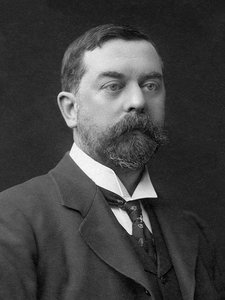
John Singer Sargent
1856 - 1925 , Italien
Snabbfakta
- Artistic Movement Or Style: Impressionism
- Artists Or Movements Influenced By This Artist: ['Whistler']
- Artists Who Influenced This Artist:
- Carolus-Duran
- Velázquez
- Date Of Birth: 12 januari 1856
- Date Of Death: 14 april 1925
- Full Name: John Singer Sargent
- Nationality: Amerikansk
- Notable Artworks:
- Madame X
- El Jaleo
- Liljor
- Place Of Birth: Florens, Italien
Relaterade artiklar
John Singer Sargents 25 Mästerverk: Porträtt & Impressionism för Hemmet | AllPaintingsStore
Utforska John Singer Sargents 25 mest ikoniska målningar! Lär känna porträttkonsten, impressionismen och hans unika ljusspel. Hitta inspiration & köp högkvalitativa konsttryck på AllPaintingsStore.com – för en elegant heminredning.

John Singer Sargent: Capturing the Gilded Age with Impressionistic Brilliance
Explore the life & art of John Singer Sargent, premier portraitist of the Gilded Age. Discover his Impressionistic masterpieces, technical brilliance, and enduring legacy. Expert insights for collectors.

Capturing Elegance: The Timeless Allure of John Singer Sargent's Masterpieces
Discover the breathtaking elegance of John Singer Sargent's masterpieces. From iconic Gilded Age portraits to impressionistic landscapes, explore the technical brilliance and timeless allure of this American master through our premium, hand-painted fine art reproductions.

John Constables 25 Mästerverk: En Konstnärlig Resa i Det Engelska Landskapet | AllPaintingsStore
Utforska John Constables 25 mest ikoniska målningar – romantikens mästare av det engelska landskapet. Upptäck historien, tekniken & skönheten i verk som 'Hay Wain'. Köp exklusiva konsttryck på AllPaintingsStore.com.

Mastering Light and Elegance: The Timeless Brilliance of John Singer Sargent
Discover the luminous mastery of John Singer Sargent. Explore an expert analysis of his legendary light, Gilded Age elegance, and technical brilliance, perfect for fine art enthusiasts seeking to bring timeless classical beauty into their modern collections.


