


 Förhandsvisa
 Skicka
 Dela
Dela
 Visa detaljer
 Guide
Guide

 Ladda ner
 Liknande objekt
 Röntgen
 Bildspel
 Q&A
Q&A Statistik
Study for


 Visa mer
Konstverket som visas på denna sida skyddas av upphovsrättslagen, vilket innebär att vi inte lagligt kan skapa eller sälja en identisk reproduktion. Detta skydd upprätthålls genom internationella avtal såsom den Bernkonventionen och genom nationella lagar, inklusive de som fastställs av Amerikansk upphovsrättslag – Titel 17. Alla rättigheter förbehållna. Återgivning av konstverk är förbjuden utan skriftligt tillstånd från WahooArt.
Denna metod följer fullt ut upphovsrättsliga regler eftersom den inte innebär kopiering eller duplicering av det skyddade konstverket. Istället är det en kreativ nytolkning – en ny målning som är influerad av originalet men inte identisk med det.
Giclée / Konsttryck
Giclée- eller canvasprint av museumskvalitet med snabb produktion och flexibla ytbehandlingsalternativ. ( Beställ handmålad reproduktion Byt till digital bild)




P118B Skr10

P118H Skr10

P118W Skr10

P438Z Skr10

P508JH Skr12

P508YH Skr12

P805H Skr10

P805Z Skr10

P919BZ Skr10

P919G Skr10

P919XJ Skr10

P959ZH Skr10

P968JZ Skr12

W106C Skr8

W218G Skr10

W218JH Skr8

W218Y Skr10

W307PJ Skr10

W316G Skr10

W316PJ Skr8

W316Y Skr10

W398PJ Skr8

W4111J Skr10

W500HY Skr15

W500JH Skr15

W692G Skr12

W849H Skr8

W940BG Skr15

W953PJ Skr8




Välj bland våra förinställda storlekar som motsvarar konstverkets ursprungliga proportioner.

Ange den bredd och höjd du behöver för att passa din ram eller vägg. Ett tryck kan endast beskäras, aldrig göras större än originalbilden, vilket innebär att ett format med en annan proportion leder till att en del av bilden går förlorad. Vi skickar en digital mockup för godkännande innan vi påbörjar tryckningen. Bilden som visas på denna sida visar inte den faktiska beskärningen — det är endast mockuppen som gör det.
Leverans över hela världen () på 2 veckor istället för standard 4/5 veckor. (3 november)

Fri expressfrakt över hela världen

Högkvalitativ linnecanvas

Fullständig fraktförsäkring

Garantier för återbetalning av tullavgifter

Garantier för exakt färgåtergivning

100 dagars returrätt (endast vid fel)

100% pengarna tillbaka-garanti

Mängdrabatt erbjuds
 Glasalternativet är endast tillgängligt i storlekar under 110 cm.

Study for
Giclée / Konsttryck
Storlek på reproduktion
-


Slutgiltigt pris
Skr 643
Liknande konstverk


Konstnärsbiografi
Introduction: The Enduring Power of a Working Man’s Vision
Josef Herman OBE (1911-2000) stands as a quietly monumental figure in British art, an artist whose impact resonated deeply within the landscape of contemporary painting. Born in Warsaw amidst the burgeoning artistic scene of Poland, and ultimately finding his home and profound inspiration in the Welsh mining community of Ystradgynlais, Herman’s work transcends mere representation; it's a poignant exploration of human dignity, resilience, and the enduring spirit of ordinary people. His distinctive style – characterized by bold, simplified forms and a remarkable ability to imbue his subjects with an almost palpable sense of humanity – continues to captivate viewers today. This biography seeks to unravel the layers of Herman’s life and artistic journey, revealing the forces that shaped his vision and cemented his place as a significant voice in 20th-century art.Early Life and Influences: A Polish Heritage Forged by Displacement
Josef Herman's early years were steeped in the traditions of Poland, specifically within the Yiddish community. Born on January 3rd, 1911, to a shoemaker father and a mother named Sarah Malkah, he grew up speaking Yiddish and absorbing the rich cultural tapestry of his heritage. This formative experience profoundly influenced his artistic sensibilities, instilling in him a deep appreciation for storytelling, communal life, and the dignity of labor – values that would later become central themes in his work. His formal training began at the Warsaw School of Art in 1930, where he honed his skills as a typesetter and graphic designer, disciplines which undoubtedly informed his understanding of composition and visual communication. However, the rising tide of anti-Semitism and the looming threat of war forced a dramatic shift in his life trajectory. In 1938, at the age of 27, Herman fled Poland for Brussels, seeking refuge from escalating persecution. This displacement marked not an ending but a catalyst, exposing him to a wider artistic world and setting the stage for a remarkable journey across Europe.The Journey to Britain: Finding Sanctuary and Inspiration in Wales
Following the outbreak of World War II, Herman’s path led him through France before finally arriving in Great Britain in 1940. Initially settling in Glasgow, he found himself amidst a vibrant artistic community, forging connections with fellow émigré artists like Benno Schotz and Jankel Adler – relationships that provided crucial support and shared experiences during a period of immense upheaval. It was during his time in Ystradgynlais, from 1944 to 1955, however, that Herman truly blossomed as an artist. Drawn by the stark beauty of the Welsh landscape and the palpable spirit of its working-class communities, he immersed himself in the lives of coal miners, fishermen, and farmers – subjects who would become the focus of his most celebrated paintings. The nickname “Joe Bach” (Little Joe), bestowed upon him by the locals, speaks volumes about his integration into the community and the genuine affection he garnered. This period wasn’t merely a residence; it was a profound engagement with a culture that deeply resonated with his artistic sensibilities and provided the emotional core of his work.A Distinctive Style: Bold Shapes and Portraits of Humanity
Herman's artistic style is immediately recognizable, characterized by its deliberate simplicity and powerful impact. He eschewed intricate detail in favor of bold, geometric shapes – a technique that served to amplify the essence of his subjects rather than distract from them. His paintings are not about photographic realism; they’re about capturing the *feeling* of a moment, the weight of labor, the quiet dignity of everyday life. His most famous works, such as “Miners” (1951), depict groups of men resting after their shift, radiating an aura of exhaustion and camaraderie. The painting is not merely a representation of miners; it’s a meditation on the human condition, highlighting the shared experience of hard work and the bonds forged within communities. He famously stated, “I stayed here because I found all I required,” encapsulating his belief that Ystradgynlais offered him everything he needed to continue his artistic journey. This sentiment underscores his commitment to portraying the lives of ordinary people with honesty and respect.Recognition and Legacy: An OBE, Royal Academy Membership, and Enduring Influence
Herman’s contributions to British art were ultimately recognized through prestigious awards and honors. In 1981, he was awarded an Order of the British Empire (OBE) for his services to the arts, a testament to his impact on the national artistic landscape. Furthermore, in 1990, he was elected to the Royal Academy of Arts – a remarkable achievement that solidified his position as a leading figure in contemporary British painting. Following his death in February 2000, the Josef Herman Foundation was established in Ystradgynlais, dedicated to preserving and promoting his work, fostering arts initiatives within South Wales, and ensuring that his legacy continues to inspire future generations. His paintings are now held in prominent collections across the United Kingdom, including the Glynn Vivian Art Gallery (Swansea), the New Art Gallery Walsall, and the Museum Belfast Waterfront, guaranteeing his continued visibility and influence on art history. The foundation’s work ensures that Herman's story – one of displacement, resilience, and unwavering dedication to portraying the dignity of ordinary people – will not be forgotten.
Josef Herman Obe Ra
1911 - 2000 , Poland
Kortfakta
- Full Name: Josef Herman OBE RA
- Nationality: Polish-British
- Date Of Birth: 1911
- Date Of Death: 2000
- Place Of Birth: Warsaw, Poland
- Notable Artworks:
- Miners (1951)
- Working people
- Artistic Movement Or Style: Bold shapes, minimalist
- Artists Who Influenced This Artist:
- Courbet
- Millet
- Van Gogh
- Artists Or Movements Influenced By This Artist:
- Kat Kollwitz
- Permeke
Relaterade artiklar

Vita mästerverk: Topp 10 målningar som hyllar ljuset – AllPaintingsStore.com
Utforska 10 ikoniska vita målningar av Monet, Whistler & fler! Lär känna historien bakom dessa ljusa konstverk och upptäck hur vitt används för att skapa stämning. Köp museumkvalitativa tryck på AllPaintingsStore.com.

Shadow & Soul: Why Black & White Photography Remains the Ultimate Power Move in Modern Art
Discover why black & white photography remains a powerful force in contemporary art. Explore the impact of light, shadow, and texture through a visual journey of monochrome mastery and learn how to elevate your space with timeless grayscale aesthetics.

Mästverk i svart: Topp 10 målningar som fascinerar – AllPaintingsStore.se
Utforska 10 ikoniska målningar dominerade av svart – från Rembrandts djupa skuggor till Munchs ångest. Lär känna historien bakom mästerverken och hitta inspiration för din inredning på AllPaintingsStore.se. Upptäck hela kollektionen online!
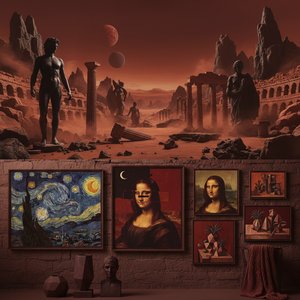
Mästverk i svart: Topp 10 målningar som domineras av Mars Black – Konst & Inredning
Utforska 10 ikoniska målningar där Mars Black dominerar – från romantik till expressionism. Lär känna konstnärer, tekniker och historien bakom tidlösa verk. Köp museumkvalitets reproduktioner på AllPaintingsStore.com och förvandla ditt hem med klassisk konst!
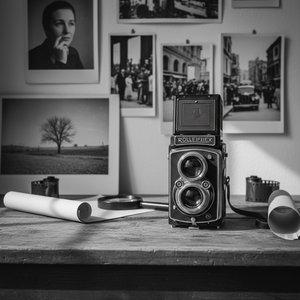
Monochrome Visions: Exploring the Aesthetic & Historical Significance of Black & White Photography
Explore the rich history & artistic power of black and white photography. From early techniques to iconic masters like Ansel Adams, discover why monochrome continues to captivate art lovers today. Expert insights for collectors.