


 Förhandsvisa

 Skicka
 Dela
 Visa detaljer
 Guide


 Ladda ner
 Liknande objekt
 Röntgen
 Bildspel
 Frågor och svar
 Statistik
Landscape

- 59.0 x 78.0cm


 Visa mer
Giclée / Konsttryck
Giclée- eller canvasprint av museumskvalitet med snabb produktion och flexibla ytbehandlingsalternativ. ( Beställ handmålad reproduktion Byt till digital bild)

P118B Skr10

P118H Skr10
P118W Skr10
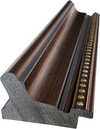
P438Z Skr10
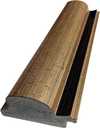
P508JH Skr12

P508YH Skr12
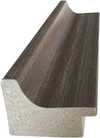
P805H Skr10
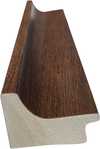
P805Z Skr10
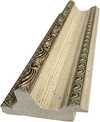
P919BZ Skr10
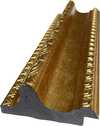
P919G Skr10
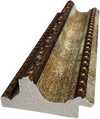
P919XJ Skr10
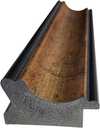
P959ZH Skr10
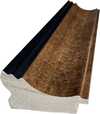
P968JZ Skr12
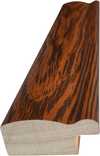
W106C Skr8

W218G Skr10

W218JH Skr8

W218Y Skr10
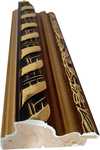
W307PJ Skr10

W316G Skr10
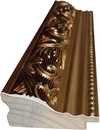
W316PJ Skr8

W316Y Skr10

W398PJ Skr8

W4111J Skr10

W500HY Skr15

W500JH Skr15

W692G Skr12
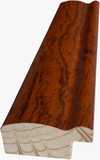
W849H Skr8
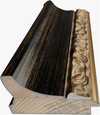
W940BG Skr15
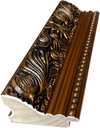
W953PJ Skr8

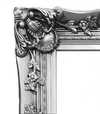
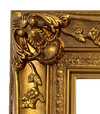
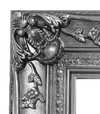
Välj bland våra förinställda storlekar som motsvarar konstverkets ursprungliga proportioner.

Ange den bredd och höjd du behöver för att passa din ram eller vägg. Ett tryck kan endast beskäras, aldrig göras större än originalbilden, vilket innebär att ett format med en annan proportion leder till att en del av bilden går förlorad. Vi skickar en digital mockup för godkännande innan vi påbörjar tryckningen. Bilden som visas på denna sida visar inte den faktiska beskärningen — det är endast mockuppen som gör det.
Leverans över hela världen () på 2 veckor istället för standard 4/5 veckor. (17 november)

Fri expressfrakt över hela världen

Högkvalitativ linnecanvas

Fullständig fraktförsäkring

Garantier för återbetalning av tullavgifter

Garantier för exakt färgåtergivning

100 dagars returrätt (endast vid fel)

100% pengarna tillbaka-garanti

Mängdrabatt erbjuds
 Glasalternativet är endast tillgängligt i storlekar under 110 cm.

Landscape
Giclée / Konsttryck
Storlek på reproduktion
-


Slutgiltigt pris
Skr 645
A Study in Light and Woodland Depth
The composition is anchored by a dense, dark mass of trees occupying the left and central portions of the frame. These vertical elements create a sense of enclosure, casting much of the woodland into deep shadow. To the left, a sunlit rocky cliffside features a small, cascading waterfall that introduces movement into the otherwise still scene. In the lower foreground, a group of small figures and an animal gather near a path, providing a sense of scale against the surrounding terrain. The color palette relies on earthy tones, specifically deep forest greens, rich browns, and ochre, which contrast against an expansive sky filled with white and blue clouds.
Lighting is applied with a high degree of contrast, utilizing a chiaroscuro effect where dramatic sunlight illuminates the rocky outcrop and portions of the path while leaving the thickets in shadow. The perspective employs atmospheric techniques, causing distant hills to appear lighter and less detailed, which increases the perceived vastness of the landscape.
Technical Composition and Elements
The execution of this 1682 oil on canvas relies on specific visual layers to establish its spatial structure:
- Organic lines that follow the natural curves of the hills and the downward flow of water.
- Fine brushwork used to differentiate the textures of rough bark, smooth water, and soft cloud formations.
- Layered glazing techniques that provide luminosity and depth to the sky and distant horizons.
- A structured use of light to guide the eye from the shadowed foreground toward the illuminated cliffs.
Historical Context and Artistic Lineage
Created in 1682, this work belongs to the tradition of Flemish landscape painting. Jacques d'Arthois, born in Brussels, Belgium, specialized in these wooded settings, often incorporating figures to animate the natural world. His approach to landscape was influenced by the works of Lodewijk de Vadder and Denis van Alsloot, particularly in the way he rendered foliage and tree structures. During this period, the depiction of idealized, harmonious nature was a common pursuit, often reflecting a desire for pastoral stability.
The artist's background as a tapestry designer for the city of Brussels likely informed the clarity of form and the narrative arrangement seen in this composition. While d'Arthois focused on the landscape, it was common practice for figure painters to contribute the human and animal elements to such works, a collaborative method that helped define the genre during the seventeenth century.
Frågor och svar
Hur harmoniska är färgerna i "Landscape" av Jacques D'Arthois?
"Landscape" av Jacques D'Arthois uppvisar en Strong Color Unity färgharmoni.
Vilket år skapades "Landscape" av Jacques D'Arthois?
"Landscape" av Jacques D'Arthois skapades år 1682.
Vilken färgpalett används i "Landscape"?
Färgerna i "Landscape" utgör en Earthy palett. Denna klassificering beskriver de dominerande färggrupperna.
Liknande konstverk


Konstnärsbiografi
En mästare från Bryssel på skogliga scener: Jacques d’Arthois liv och konst
Jacques d'Arthois, född i Bryssel 1613, framträdde under en livfull period för flamländsk konst – en tid då landskapsmåleriet stadigt vann mark vid sidan av de etablerade traditionerna inom porträtt- och historiemåleri. Även om han inte var lika vidlydigt hyllad som vissa av sina samtida, lyckades d’Arthois skapa sig en betydelsefull nisch genom sina minutiöst detaljerade skildringar av skogliga landskap, befolkade av gestalter engagerade i vardagsliv eller pastorala sysslor. Hans karriär utspelade sig mot en bakgrund av politisk och religiös oro, men han lyckades ändå odla en konsekvent stil som fann resonans hos mecenater som sökte både skönhet och frid i sina omgivningar. Som lärling hos Jan Mertens år 1625 förblir detaljerna kring hans tidiga utbildning något dunkla; det är dock tydligt att d'Arthois snabbt utvecklade en fallenhet för att återge den naturliga världen med en anmärkningsvärd precision. Hans inträde i Bryssels Sankt Lukas-gille 1634 markerade ett formellt erkännande av hans konstnärliga förmågor och etablerade honom som en professionell målare inom stadens blomstrande konstnärliga gemenskap.Tapetdesignern och det pastorala idealet
D'Arthois var inte enbart hängiven stafflimåleriet; han uppnådde även betydande framgångar som tapetdesigner och blev år 1655 utnämnd till auktoriserad kartongmålare för staden Bryssel. Denna dubbla roll är av stor betydelse, då den belyser hans bredare konstnärliga förståelse – hans förmåga att översätta kompositioner från ett medium till ett annat och hans djupa insikt i dekorativa principer. Tapetkonsten krävde en tydlighet i både form och narrativ, något som sannolikt påverkade hans måleri genom att uppmuntra honom att skapa scener som var både visuellt fängslande och lättbegripliga. Hans landskap frammanar ofta en känsla av idealiserad harmoni, vilket speglar det pastorala ideal som var rådande inom 1600-talets konst – en längtan efter en enklare och mer dygdig tillvaro, djupt rotad i naturen. Skogarna runt Bryssel utgjorde hans främsta inspirationskälla, och han avbildade dem ofta med ett skarpt öga för atmosfäriska effekter och subtila variationer i ljus och skugga. Figurer lades ofta till i hans kompositioner av andra konstnärer, däribland David Teniers den yngre och Gonzales Coques, vilket resulterade i samarbeten som visade upp både d’Arthois expertis inom landskapsmåleri och figurmålarnas skicklighet i att ge liv åt scenerna.
Inflytande och konstnärlig utveckling
Att spåra de influenser som format Jacques D'Arthois stil blottlägger ett komplext samspel mellan olika konstnärliga traditioner. Hans tidiga verk uppvisar en tydlig skuld till Lodewijk de Vadder, en annan framstående landskapsmålare från Bryssel, vars kompositioner ofta präglades av liknande skogsmiljöer och grupperingar av figurer. Trots detta fann d'Arthois gradvis sin egen, särpräglade röst, vilken kännetecknas av en större betoning på detaljrikedom och en mer förfinad känsla för atmosfäriskt perspektiv. Även inflytandet från Denis van Alsloot är märkbart i hans tidiga målningar, särskilt i det skickliga återgivandet av träd och lummig vegetation. I takt med att hans konstnärskap mognade började d'Arthois experimentera med storskaliga landskap, som ett svar på den växande efterfrågan på dekorativa verk avsedda att pryda kyrkor och kloster. Dessa ambitiösa kompositioner krävde en sofistikerad förståelse för rumslig organisering samt en mästerlig kontroll över färg och ton. Även om de dokumentära bevisen är begränsade, finns det en föreställning om att Cornelis Huysmans kan ha tillbringat tid i d'Arthois verkstad omkring år 1650, även om omfattningen av hans inflytande förblir föremål för osäkerhet.Ett arv av efterföljare och historisk betydelse
Jacques D'Arthois åtnjöt en framgångsrik karriär under sin livstid och lockade till sig uppdrag från såväl privata mecenater som religiösa institutioner. Han ägde flera fastigheter, däribland ett hus i Sonianskogen – ett vittnesbörd om hans välstånd och hans djupa koppling till den naturvärld han så ofta skildrade på sina dukar. Trots att han under sina senare år upplevde ekonomiska svårigheter, förblev hans konstnärliga rykte orubbat. Hans inflytande sträckte sig långt utanför Bryssels gränser, vilket bevisas av de lärjungar som efterliknade hans stil och spred hans estetiska principer över hela regionen. Även om inga verk med säkerhet kan tillskrivas hans bror Nicolaes eller hans son Jan Baptist, tror man att många av de målningar som tillskrivs Jacques D'Arthois i själva verket skapades av dessa familjemedlemmar. Denna tvetydighet understryker de utmaningar som är förknippade med att tillskriva flamländska landskapsmålningar från 1600-talet, men den belyser också den bestående dragningskraften i D'Arthois stil – en estetik som imiterades och följdes av andra landskapsmålare i generationer. Hans bidrag ligger inte i radikal innovation, utan i hans skickliga utförande av en älskad genre och hans förmåga att fånga skönheten och lugnet i det belgiska kulturlandskapet. Han utgör en livsviktig länk i utvecklingen av det flamländska landskapsmåleriet, då han överbryggade klyftan mellan tidigare traditioner och de mer sofistikerade angreppssätt som skulle växa fram under de följande århundradena.
Jacques D'Arthois
1613 - 1686 , Belgien
Relaterade artiklar

The Sublime Cascade: Examining the Tradition of Waterfall Landscapes in Art History
Explore the evolution of waterfall landscapes from the Northern Renaissance to the Hudson River School. Trace this epic art history now.

The Ordered Earth: Tracing the Lineage of Garden Landscapes and Botanical Artistry
Explore the evolution of garden art from French formalism to Zen design. Trace history through masterworks today.