


 Förhandsvisa
 Skicka
 Dela
Dela
 Visa detaljer
 Guide
Guide

 Ladda ner
 Liknande objekt
 Röntgen
 Bildspel
 Q&A
Q&A Statistik
Neptun

 Visa mer
Giclée / Konsttryck
Giclée- eller canvasprint av museumskvalitet med snabb produktion och flexibla ytbehandlingsalternativ. ( Beställ handmålad reproduktion Byt till digital bild)




P118B Skr10

P118H Skr10

P118W Skr10

P438Z Skr10

P508JH Skr12

P508YH Skr12

P805H Skr10

P805Z Skr10

P919BZ Skr10

P919G Skr10

P919XJ Skr10

P959ZH Skr10

P968JZ Skr12

W106C Skr8

W218G Skr10

W218JH Skr8

W218Y Skr10

W307PJ Skr10

W316G Skr10

W316PJ Skr8

W316Y Skr10

W398PJ Skr8

W4111J Skr10

W500HY Skr15

W500JH Skr15

W692G Skr12

W849H Skr8

W940BG Skr15

W953PJ Skr8




Välj bland våra förinställda storlekar som motsvarar konstverkets ursprungliga proportioner.

Ange den bredd och höjd du behöver för att passa din ram eller vägg. Ett tryck kan endast beskäras, aldrig göras större än originalbilden, vilket innebär att ett format med en annan proportion leder till att en del av bilden går förlorad. Vi skickar en digital mockup för godkännande innan vi påbörjar tryckningen. Bilden som visas på denna sida visar inte den faktiska beskärningen — det är endast mockuppen som gör det.
Leverans över hela världen () på 2 veckor istället för standard 4/5 veckor. (31 oktober)

Fri expressfrakt över hela världen

Högkvalitativ linnecanvas

Fullständig fraktförsäkring

Garantier för återbetalning av tullavgifter

Garantier för exakt färgåtergivning

100 dagars returrätt (endast vid fel)

100% pengarna tillbaka-garanti

Mängdrabatt erbjuds
 Glasalternativet är endast tillgängligt i storlekar under 110 cm.

Neptun
Giclée / Konsttryck
Storlek på reproduktion
-


Slutgiltigt pris
Skr 643
Leonardo da Vinci’s “Neptune”: A Dance of Power and Poseidon
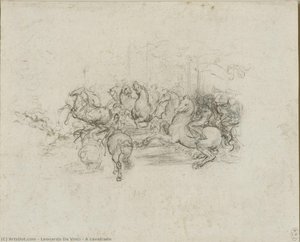
Leonardo da Vinci's "Neptun," often referred to simply as "Neptune," is not merely a painting; it’s a dramatic embodiment of Roman mythology, rendered with an arresting intensity that speaks volumes about the artist’s mastery of composition, light, and psychological depth. Completed around 1482, this charcoal drawing on black chalk offers a glimpse into da Vinci's early explorations of figure work and his fascination with classical themes – specifically, the turbulent power of the sea god Poseidon. Unlike many of his later, more polished works, “Neptun” retains a raw energy, a sense of immediacy that reflects its status as a preliminary study rather than a finished masterpiece.
The scene depicts Neptune, king of the gods and ruler of the oceans, seated upon a shell-shaped rock. He’s not presented in the idealized form often found in Renaissance sculpture; instead, da Vinci captures him with a palpable sense of authority and even a hint of brooding intensity. His posture is deliberately forceful, his gaze fixed ahead as if commanding the waves themselves. The figure is rendered with rapid, confident strokes – a characteristic of Leonardo’s working method – revealing the underlying structure beneath the surface. Notice how he uses hatching to create texture and volume, particularly in the folds of his drapery and the swirling patterns of the sea.
A Symphony of Movement: Technique and Composition
Da Vinci's technique is immediately striking. The charcoal is applied with a remarkable degree of spontaneity, creating a dynamic sense of movement that contrasts sharply with the static quality often associated with Renaissance art. He masterfully employs hatching – closely spaced parallel lines – to build up tones and create an illusion of depth and texture. The use of light and shadow is particularly effective in conveying the drama of the scene; the dark background emphasizes Neptune’s form, while strategically placed highlights draw attention to his face and hands.
Compositionally, “Neptun” is a tour de force. The figure dominates the frame, yet he's not isolated. The swirling waves, depicted with loose, expressive strokes, create a sense of chaos and power that mirrors Neptune’s dominion over the sea. The inclusion of Amphitrite, Neptune’s consort, riding on his back, adds another layer of visual interest and reinforces the theme of royal authority. The placement of the birds – one soaring above, another diving below – subtly connects the earthly realm with the divine, suggesting a broader cosmic order.
Symbolism and Mythological Resonance
“Neptun” is deeply rooted in Roman mythology, drawing upon centuries of tradition surrounding Poseidon. The shell-shaped rock serves as Neptune’s throne, symbolizing his connection to the sea – the very essence of his power. The turbulent waves are not merely decorative; they represent the unpredictable and potentially destructive forces that lie beneath the surface. The presence of birds, often associated with divine messengers or omens, adds a layer of symbolic complexity.
Interestingly, da Vinci’s depiction deviates slightly from traditional portrayals of Neptune. He doesn't present him as a benevolent protector; instead, he captures a more formidable and even somewhat menacing figure – a god who commands respect through sheer force of will. This nuanced portrayal reflects da Vinci’s broader interest in exploring the complexities of human nature and the darker aspects of the divine.
A Legacy of Artistic Innovation
Despite its status as an early study, “Neptun” reveals da Vinci's burgeoning genius and his willingness to experiment with new techniques. It demonstrates his ability to capture not just the physical appearance of a subject but also their psychological state – a skill that would become increasingly central to his later work. Reproductions of this captivating drawing offer a unique opportunity to appreciate da Vinci’s artistic process and to witness firsthand the genesis of one of the most iconic images in Western art history. Its raw energy and dramatic composition continue to resonate with viewers today, reminding us of the enduring power of classical mythology and the boundless creativity of Leonardo da Vinci.
Frågor och svar
Vilka färger dominerar "Neptun" av Leonardo Da Vinci?
"Neptun" definieras av en Pastels-palett med Putty (#eee1be) som dominerande färg.
Hur passar "Neptun" in i Leonardo Da Vincis teman och stil?
"Neptun" delar med Leonardo Da Vincis övriga verk sin High Renaissance-stil och de återkommande temana: classical mythology, renaissance ideals, religious symbolism, divine power, allegorical representation, humanism, da vinci’s exploration of form, masterpiece.
Var kan jag hitta statistik för "Neptun" av Leonardo Da Vinci?
Statistik för "Neptun" av Leonardo Da Vinci finns på verkets Besöksstatistik-sida: månatliga besök för verket, besök för konstnärens verk samt en uppdelning av nyligen anlända besökare per land och språk.
Liknande konstverk




Konstnärsbiografi
Leonardo da Vincis liv och arv.
Leonardo di ser Piero da Vinci, född 1452 nära den toskanska byn Vinci, förblir utan tvekan en av de mest universellt erkända figurerna från renässansen – en sann polymath vars outsläckliga nyfikenhet drev honom över disciplinernas gränser och lämnade ett bestående avtryck inom konst, vetenskap och ingenjörskonst. Hans namn har blivit synonymt med geni, ett bevis på hans extraordinära bredd av talang och visionära tänkande. Leonardo föddes utomäktenskapligt som son till Piero da Vinci, en notarie, och Caterina, en bondekvinna, och hans tidiga liv var okonventionellt men gav honom tillgång till både den praktiska världen och en uppskattning för naturen som skulle forma hans konstnärliga vision i grunden. Han fick en grundläggande utbildning i läsning, skrivning och aritmetik, men det var hans lärlingsutbildning hos Andrea del Verrocchio i Florens som verkligen tände hans kreativa gnista. Inom Verrocchios verkstad lärde sig Leonardo inte bara att måla eller skulptera; han fördjupades i en värld av teknisk skicklighet, där han bemästrade metallarbete, snickeri, teckning och de konstnärliga skapandets komplexitet – en grund som han senare skulle bygga sin mångfacetterade genialitet på. Redan under denna formativa period spreds rykten om hans exceptionella talang, och berättelser antyder att Verrocchio själv lade ner sitt måleri efter att ha bevittnat Leonardos överlägsna förmåga.
Milanese innovationer och konstnärlig blomstring
År 1482 påbörjade Leonardo ett nytt kapitel när han träffade tjänsten hos Ludovico Sforza, hertig av Milano. Detta var inte enbart en konstnärlig anställning; Leonardo fungerade som militäringeniör, arkitekt, skulptör och designer för hovet – ett bevis på hans mångsidiga färdigheter. Han utformade innovativa befästningar, designade påkostade scenografier och skissade till och med planer för fantastiska maskiner. Det var dock under denna period som han påbörjade arbetet med ett av sina mest ikoniska mästerverk: Nattvarden. Verket, som målades som en fresco i refektoriet i klostret Santa Maria delle Grazie, sträcker sig bortom ren representation; det är en djup utforskning av mänskliga känslor och psykologiskt drama, som fångar det exakta ögonblicket då Kristus tillkännager sitt förräderi. Kompositionen, innovativ för sin tid, och den mästerliga användningen av perspektiv skulle påverka västerländsk konst djupt under århundradena som följde. Även om många skulpturala projekt förblev ofullbordade under hans tid i Milano, fortsatte Leonardos uppfinningsrika anda att blomstra och lade grunden för framtida vetenskapliga utforskningar.
Återkomsten till Florens och strävan efter perfektion
Efter den franska invasionen av Milano 1499 återvände Leonardo till Florens, en stad som befann sig i en kulmen av konstnärlig utveckling. Trots att han producerade färre fullbordade verk under denna tid, var deras genomslag enormt. Det var här han påbörjade arbetet med vad som skulle bli utan tvekan världens mest kända målning: Mona Lisa (La Gioconda). Motivets gåtfulla leende och fångande blick har fascinerat betraktare i generationer, medan Leonardos revolutionerande sfumato-teknik – den subtila övergången mellan ljus och skugga för att skapa disiga konturer och atmosfäriskt perspektiv – bidrog avsevärt till målningens eteriska kvalitet. Denna period innebar också en fortsatt förfinande av hans anatomiska studier, driven av en orubblig önskan att förstå den mänskliga formen med vetenskaplig precision. Han dissekerade lik och dokumenterade noggrant muskler, ben och organ i en serie otroligt detaljerade teckningar som låg århundraden före sin tid.
Ett arv bortom konsten: Vetenskap, uppfinning och bestående inflytande
Leonardos senare år präglades av resor mellan Florens, Milano och Rom, där han alltid eftertraktades för sin expertis men ofta lämnade projekt ofullbordade – kanske en reflektion av hans rastlösa intellekt och de enorma omfattningarna av hans intressen. År 1516 accepterade han en inbjudan från kung Frans I att leva och arbeta vid Château du Clos Lucé nära Amboise i Frankrike, där han tillbringade sina sista år. Han dog där 1519 och lämnade efter sig ett enormt arv som sträker sig långt bortom konstens rike. Hans anteckningsböcker avslöjar banbrytande arbete inom anatomi, optik, hydraulik, geologi och kartografi – samt konceptualiserade uppfinningar som låg århundraden före sin tid, inklusive flygmaskiner, stridsvagnar och avancerade vapen. Leonardo da Vincis påverkan på konsthistorien är omätbar. Han höjde konstnärens status från skicklig hantverkare till intellektuell gestalt och visade att konstnärligt skapande kunde informeras av vetenskaplig undersökning och en djup förståelse för den naturliga världen. Hans målningar hyllas för sin realism, psykologiska djup och innovativa tekniker. Han förblir en symbol för mänsklig nyfikenhet, kreativitet och den outtröttliga strävan efter kunskap – en sann förkroppsligande av renässansens anda vars arv fortsätter att inge vördnad och fascination århundraden efter hans död.
Viktiga prestationer & bestående inflytande
- Måleri: Mona Lisa, Nattvarden, Madonnan i klippgrottan, Bebådelsen
- Teckning & skissering: Omfattande anatomiska studier, Ingenjörskonst (flygmaskiner, vapen), Botaniska illustrationer
- Vetenskap & teknik: Banbrytande arbete inom anatomi, optik, hydraulik, geologi och kartografi. Konceptualiserade uppfinningar som låg århundraden före sin tid.
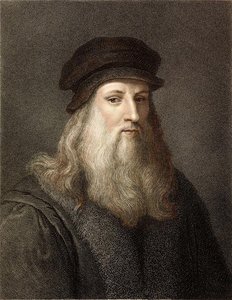
Leonardo Da Vinci
1452 - 1519 , Italien
Kortfakta
- Artistic Movement Or Style: Högrenässans
- Artists Or Movements Influenced By This Artist: ['Renässanskonst']
- Artists Who Influenced This Artist: ['Andrea del Verrocchio']
- Date Of Birth: 15 april 1452
- Date Of Death: 2 maj 1519
- Full Name: Leonardo di ser Piero da Vinci
- Nationality: Italiensk
- Notable Artworks (List Of Titles):
- Mona Lisa
- Nattvarden
- Place Of Birth (City And Country): Vinci, Italien
Relaterade artiklar

Mastering Charcoal: A Professional Guide to Texture and Depth for Large-Scale Interior Art Commissions
Discover professional techniques for mastering charcoal texture and depth. An expert guide for hotel designers and procurement managers looking to integrate high-impact monochrome art into large-scale hospitality projects with precision and scale.


