


 Förhandsvisa
 Skicka
 Dela
Dela
 Visa detaljer
 Guide
Guide

 Ladda ner
 Liknande objekt
 Röntgen
 Bildspel
 Frågor och svar
 Statistik
Study for the Last Supper

- 266.0 x 214.0 cm


 Visa mer
Giclée / Konsttryck
Giclée- eller canvasprint av museumskvalitet med snabb produktion och flexibla ytbehandlingsalternativ. ( Beställ handmålad reproduktion Byt till digital bild)




P118B Skr10

P118H Skr10

P118W Skr10

P438Z Skr10

P508JH Skr12

P508YH Skr12

P805H Skr10

P805Z Skr10

P919BZ Skr10

P919G Skr10

P919XJ Skr10

P959ZH Skr10

P968JZ Skr12

W106C Skr8

W218G Skr10

W218JH Skr8

W218Y Skr10

W307PJ Skr10

W316G Skr10

W316PJ Skr8

W316Y Skr10

W398PJ Skr8

W4111J Skr10

W500HY Skr15

W500JH Skr15

W692G Skr12

W849H Skr8

W940BG Skr15

W953PJ Skr8




Välj bland våra förinställda storlekar som motsvarar konstverkets ursprungliga proportioner.

Ange den bredd och höjd du behöver för att passa din ram eller vägg. Ett tryck kan endast beskäras, aldrig göras större än originalbilden, vilket innebär att ett format med en annan proportion leder till att en del av bilden går förlorad. Vi skickar en digital mockup för godkännande innan vi påbörjar tryckningen. Bilden som visas på denna sida visar inte den faktiska beskärningen — det är endast mockuppen som gör det.
Leverans över hela världen () på 2 veckor istället för standard 4/5 veckor. (9 november)

Fri expressfrakt över hela världen

Högkvalitativ linnecanvas

Fullständig fraktförsäkring

Garantier för återbetalning av tullavgifter

Garantier för exakt färgåtergivning

100 dagars returrätt (endast vid fel)

100% pengarna tillbaka-garanti

Mängdrabatt erbjuds
 Glasalternativet är endast tillgängligt i storlekar under 110 cm.

Study for the Last Supper
Giclée / Konsttryck
Storlek på reproduktion
-


Slutgiltigt pris
Skr 650
A Glimpse into the Divine Mind
To encounter Leonardo da Vinci's Study for the Last Supper is to step directly into the workshop of a genius, witnessing the raw, electric moment before a masterpiece was solidified. Created around 1494, this profound preparatory work serves as much more than a mere sketch; it is a window into the psychological architecture of the High Renaissance. While the final mural in Milan captures the monumental scale of the event, this study offers an intimate, almost whispered meditation on faith and human frailty. It captures the precise instant where the divine intersects with the mortal, as Leonardo meticulously maps out the complex web of emotions that would soon define one of history's most iconic compositions.
The subject matter is deeply rooted in the Christian tradition, depicting the pivotal moment of the Passover meal where Jesus Christ reveals his impending betrayal. However, through Leonardo’s eyes, the scene transcends simple religious iconography. He focuses intensely on the humanity of the apostles—their startled gestures, their furrowed brows, and the palpable tension that ripples through the group. It is a study of motion and reaction, an attempt to freeze the very essence of shock and devotion within a single, unified frame.
The Mastery of Light and Shadow
Technically, this work showcases Leonardo’s unparalleled command over sfumato, his signature technique of soft, smoky transitions. Rather than relying on harsh, definitive outlines, the artist employs subtle gradations of tone to blur the boundaries between figures and their environment. This creates an ethereal, dreamlike atmosphere where light seems to emerge from within the subjects themselves. The delicate application of medium—often involving pen, ink, and subtle washes—allows for a depth of shadow that gives the composition a sculptural, three-dimensional quality.
For the discerning collector or interior designer, the aesthetic value of this study lies in its sophisticated use of chiaroscuro. The interplay between light and dark does not merely provide structure; it directs the viewer's eye through the narrative, pulling attention to the central figure of Christ while allowing the peripheral apostles to recede into a mysterious, atmospheric gloom. This technique lends the piece an enduring elegance that complements both classical and contemporary spaces, offering a sense of profound intellectual depth.
A Legacy of Universal Genius
The historical context of this study is inseparable from the spirit of the uomo universale—the universal man. Working under the patronage of Ludovico Sforza in Milan, Leonardo was simultaneously a scientist, an engineer, and an artist. This duality is evident in the meticulous attention to anatomical accuracy and spatial perspective found within the sketch. Every hand gesture and facial expression is calculated with scientific precision to evoke a specific emotional response, making the work a triumph of both observation and imagination.
Owning a high-quality reproduction of this study allows one to bring a piece of the Renaissance soul into a modern setting. It is an invitation to contemplate the complexities of human interaction and the eternal search for meaning. Whether placed in a quiet study, a grand gallery, or a curated living space, this artwork serves as a powerful focal point, inspiring awe through its historical weight and captivating all who linger before its enigmatic, shadowed beauty.
Frågor och svar
Är "Study for the Last Supper" av Leonardo Da Vinci ett ljust eller mörkt konstverk?
"Study for the Last Supper" har en övergripande ljusstyrka på brilliant, och dess luminans är Luminous.
Vilken konstnär tillskrivs "Study for the Last Supper"?
Konstnären bakom "Study for the Last Supper" är Leonardo Da Vinci. Verket är katalogiserat under Leonardo Da Vincis namn.
Hur gammal var Leonardo Da Vinci när "Study for the Last Supper" skapades?
Leonardo Da Vinci var 42 år gammal när hen skapade "Study for the Last Supper" år 1494. Åldern är beräknad utifrån konstnärens födelseår, 1452.
Konstnärsbiografi
Leonardo Da Vinci: Det tidiga livet och den konstnärliga skolningen
Leonardo Da Vinci föddes den 15 april 1452 i närheten av den toskanska kullbyn Vinci. Hans ursprung präglades av en specifik social verklighet; han var den illegitima sonen till den framgångsrike notarien Piero Fruosino di Antonio da Vinci och en kvinna från de lägre samhällsklasserna vid namn Caterina Cambi. Denna bakgrund placerade honom i det toskanska landskapets sociala strukturer redan från början. Han flyttade så småningom till Florens, där hans utbildning tog sin början. Staden erbjöd en atmosfär centrerad kring precisionen i disegno, ett rigoröst fokus på teckning som skulle komma att diktera hans tekniska angreppssätt under resten av hans liv.
Vid fjorton års ålder klev Leonardo Da Vinci in i verkstaden hos Andrea del Verrocchio. Denna lärlingsperiod utgjorde själva fundamentet för hans tekniska förmåga. I Verrocchios studio var gränserna mellan olika hantverk flytande, och han lärde sig att bemästra verktygen hos både en målare och en skulptör. Denna träning handlade inte enbart om penseldrag; den innebar en djupgående förståelse för skulpturens mekanik och de fysiska egenskaperna hos en mängd olika material. Han utvecklade ett sätt att se där muskelns subtila rörelse förenades med det sätt på vilket ljuset sveper över en yta – en färdighet djupt rotad i de disciplinerade år som formade hans tidiga liv.
Konstnärlig verksamhet i Florens och Milano
Leonardo Da Vincis karriär präglades av en ständig rörelse mellan högrenässansens stora kulturella centrum. Han var främst verksam i Florens från 1472 fram till omkring 1482, och återvände senare under perioden mellan 1500 och 1508. Dessa florentinska år lade den nödvändiga grunden för hans utveckling, men hans långsiktiga bana kom i hög grad att formas av tiden i Milano. Han tillbringade stora delar av sitt liv med att tjäna Ludovico Sforza i Milano, en tjänstgöring som varade från ungefär 1482 till 1499. Denna period av tjänstgöring var dock inte ett enda sammanhängande skede, då han återvände till Milano mellan 1508 och 1513.
Även om Florens och Milano utgjorde hans primära nav, sträckte sig hans inflytande långt bortom dessa två städer. Hans professionella liv innefattade betydelsefulla arbeten i Rom och slutligen i Frankrike. Denna geografiska rörlighet förhindrade hans stil från att bli statisk; istället för att förbli bunden till ett enda hov, navigerade han genom den italienska halvöns skiftande politiska landskap. Hans närvaro i Milano kännetecknades av en ständig dialog med hovet, där hans intressen för ingenjörskonst och vetenskap ofta sammanflätades med hans konstnärliga uppdrag. Detta möte mellan olika discipliner säkerställde att hans skapande aldrig begränsades till enbart dekoration.
- 1475: Dopet av Kristus
- 1495: Nattvarden
Mäcenat och stora uppdrag i Milano
Leonardo Da Vinci:s närvaro i Milano präglades av hans långvariga tjänstgöring hos Ludovico Sforza. Denna relation kom att diktera både omfattningen och karaktären på hans konstnärliga produktion, vilket krävde en ständig balansgång mellan tidens religiösa krav och det Sforza-ska hovets specifika politiska behov. Hans arbete under denna period var inte en samling isolerade uppdrag, utan snarare en kontinuerlig respons på hans mäceners ambitioner. Han rörde sig mellan vitt skilda motiv och lyckades balansera en härskande dynastis krav med sitt eget behov av teknisk experimentlusta.
Den mest betydelsefulla konsekvensen av detta beskydd var utsmyckningen av mausoleums-väggen i matsalen i klostret Santa Maria delle Grazie. Detta uppdrag resulterade i Nattvarden. Projektet krävde ett avsteg från de traditionella freskoteknikerna, då Leonardo Da Vinci använde en oljebaserad färg blandad med mastix för att möjliggöra den långsamma lager-på-lager-teknik och de frekventa revideringar som hans arbetsprocess krävde. Detta val, som tillät en enastående detaljrikedom, skapade samtidigt en fysisk sårbarhet i verket som har krävt århundraden av restaurering. Väggmålningen förblir en central del av det milanesiska kulturarvet och fångar ett specifikt ögonblick av mänsklig spänning genom en rigorös tillämpning av perspektivlära.
- Nattvarden (ca 1495–1498)
Mästerverk och legendariska verk
Den Mona Lisa förblir världens mest berömda målning. Belägen i Musée du Louvre i Paris, kräver den en nivå av global uppmärksamhet som få andra verk kan göra anspråk på. På liknande sätt har teckningen Vitruvianska mannen blivit en kulturell ikon genom att kartlägga den mänskliga formens proportioner. Dessa verk demonstrerar en unik förmåga att översätta komplexa observationer till ett visuellt språk som lever kvar i det moderna medvetandet.
Den religiösa konsten nådde en kulmen av återgivning med Nattvarden. Denna väggmålning, som finns i matsalen i klostret Santa Maria delle Grazie i Milano, skildrar ögonblicket precis efter att Jesus har tillkännagivit ett svek. Dess användning av perspektiv för att dra in betraktaren i rummet förblir en standard för psykologiskt drama. Marknaden för hans bevarade dukar är lika intensiv; år 2017 såldes Salvator Mundi på auktion för 450,3 miljoner US-dollar, en siffra som speglar det enorma värdet som tillskrivs hans penseldrag.
- Dopet av Kristus (1475)
- Dam med ett hermelin (1490)
- Jungfrun med barnet och Sankta Anna (1510)
- Johannes Döparen (1515)
Teknik och konstnärlig stil
Leonardo Da Vinci:s förhållningssätt till duken drevs av ett outtröttligt behov av att förena vetenskaplig observation med visuell representation. Han målade inte bara figurer; han rekonstruerade dem genom en rigorös undersökning av den mänskliga anatomin. Genom att studera lik säkrade han en exakt förståelse för hur muskler och ben fungerar, vilket gjorde det möjligt för honom att avbilda den mänskliga formen med en precision som i grunden förändrade standarderna för anatomisk illustration. Detta handlade inte om enbart likhet, utan om en strukturell nödvändighet som genomsyrade varje penseldrag.
Hans tekniska innovationer kretsade kring manipulationen av ljus och atmosfär. Han utvecklade sfumato, en metod där subtila tonövergångar används för att sudda ut konturerna kring hans motiv. Denna teknik eliminerade de skarpa linjernas hårdhet och lät formerna framträda ur en rökig dimma. Han kombinerade detta med chiaroscuro för att kontrollera samspelet mellan ljus och skugga, vilket skapade en påtaglig känsla av tredimensionell volym. För att uppnå dessa effekter experimenterade han med okonventionella material, däribland en oljebaserad färg blandad med mastix, ett harts som möjliggjorde en långsam torkprocess och kontinuerligt skapande av lager på lager.
- The Baptism of Christ, 1475
- The Last Supper, ca. 1495–1498
- Mona Lisa, ca. 1503–6
De sista åren och döden i Frankrike
Leonardo Da Vinci:s senare år präglades av en geografisk förflyttning som speglade hans rastlösa intellektuella vandring. Efter att ha verkat i Rom mellan 1513 och 1516, rörde han sig mot livets slut under inbjudan av Frans I. Denna övergång förde honom till Frankrike, där han tillbringade sina sista tre år med att både leva och verka. Hans närvaro vid det franska hovet markerade avslutningen på en karriär som redan hade omfattat högrenässansens främsta kulturella centrum.
Livets slut tillbringades i Frankrike, där han fortsatte sina undersökningar ända fram till sin död den 2 maj 1519. Hans sista år var inte en period av stillsam pensionering, utan snarare en fortsättning på den intensiva iakttagelse som kännetecknat hela hans existens. Han avled i Frankrike och lämnade efter sig ett livsverk som förblir en central referenspunkt för mötet mellan vetenskaplig undersökning och visuell representation.
Det eviga arvet efter en polymath
Leonardo Da Vinci förblir en central gestalt i den västerländska konsthistorien, en status som understryks av ett samlat konstnärskap som formade den europeiska konstens utveckling i en omfattning som endast överträffas av Michelangelo. Hans inflytande härstammar från en vägran att separera själva måleriet från den vetenskapliga undersökningen. Han verkade simultant som målare, tecknare, ingenjör, vetenskapsman, teoretiker, skulptör och arkitekt. Denna enorma bredd i hans intressen säkerställde att hans bidrag aldrig begränsades till ett enda medium eller en enda disciplin.
Hans anteckningsböcker utgör det mest direkta beviset på detta rastlösa intellekt. De avslöjar ett sinne som aldrig slutade iaktta världens mekanik och dokumenterade allt från vattnets flöden till de mänskliga benens strukturella komplexitet. Detta empiriska förhållningssätt innebar att hans teckningar inte enbart var förberedande skisser, utan snarare verktyg för att registrera en pågående undersökning av naturen. Han betraktade den fysiska världen som ett subjekt som skulle avkodas genom rigorös observation.
Omfattningen av hans inverkan blir tydlig i hur hans mångsidiga intressen flätades samman. Hans vetenskapliga studier av anatomi och ljus genomsyrade hans visuella produktion och skapade en ständig växelverkan mellan teori och praktik. Denna integration av olika discipliner gjorde det möjligt för honom att röra sig bortom enkel avbildning mot en djupgående förståelse för hur världen faktiskt fungerar. Hans arv definieras av denna vägran att specialisera sig; han valde istället att bemästra existensens mekanik genom ett brett spektrum av tekniska och vetenskapliga strävanden.
Var man kan se hans verk idag
För att bevittna den fysiska verkligheten av hans konstnärliga arv krävs en resa till specifika institutionella samlingar. Mona Lisa finns kvar i Musée du Louvre i Paris, där den utgör en central och oumbärlig del av museets samling. I Krakow förvaras Lady with an Ermine i Czartoryski Museum. Dessa platser utgör de främsta destinationerna för att betrakta hans mest betydelsefulla bevarade dukar.
Florens förblir en avgörande destination för dem som vill spåra hans tidiga utveckling och tekniska skiften. Galleria degli Uffizi rymmer både Annunciation och Baptism of Christ. Dessa verk möjliggör en direkt jämförelse av hans ständigt förfinade bemästring av ljus och landskap. Att se dem på deras ursprungliga platser ger en djupare förståelse för deras skala och de specifika miljöer för vilka de var avsedda.
- Salvator Mundi, helt eller delvis tillskriven
- The Last Supper, Milano
- Vitruvian Man, odaterad
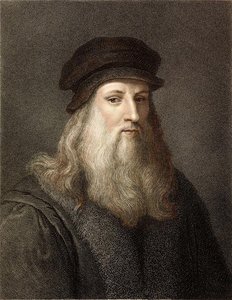
Leonardo Da Vinci
1452 - 1519 , Italien
Kortfakta
- Artistic Movement Or Style: Högrenässans
- Artists Or Movements Influenced By This Artist: ['Michelangelo']
- Artists Who Influenced This Artist: ['Andrea del Verrocchio']
- Date Of Birth: 1452
- Date Of Death: 1519
- Full Name: Leonardo di Ser Piero Da Vinci
- Nationality: Italiensk
- Notable Artworks:
- Mona Lisa
- Nattvarden
- Vitruviansk man
- Dam med en hermelin
- Kristi dop
- Salvator Mundi
- Place Of Birth: Vinci, Italien
Relaterade artiklar

The Renaissance Masters: A Comparative Study of Leonardo, Michelangelo, and Raphael
Explore the profound technical and philosophical differences between Leonardo, Michelangelo, and Raphael. A deep dive into High Renaissance mastery, from sfumato to anatomical precision, designed for art students and scholars seeking academic depth.


