


 Förhandsvisa
 Skicka
 Dela
Dela
 Visa detaljer
 Guide
Guide

 Ladda ner
 Liknande objekt
 Röntgen
 Bildspel
 Frågor och svar
 Statistik
Untitled

- 70.0 x 55.0 cm


 Visa mer
Konstverket som visas på denna sida skyddas av upphovsrättslagen, vilket innebär att vi inte lagligt kan skapa eller sälja en identisk reproduktion. Detta skydd upprätthålls genom internationella avtal såsom den Bernkonventionen och genom nationella lagar, inklusive de som fastställs av Amerikansk upphovsrättslag – Titel 17. Alla rättigheter förbehållna. Återgivning av konstverk är förbjuden utan skriftligt tillstånd från WahooArt.
Denna metod följer fullt ut upphovsrättsliga regler eftersom den inte innebär kopiering eller duplicering av det skyddade konstverket. Istället är det en kreativ nytolkning – en ny målning som är influerad av originalet men inte identisk med det.
Giclée / Konsttryck
Giclée- eller canvasprint av museumskvalitet med snabb produktion och flexibla ytbehandlingsalternativ. ( Beställ handmålad reproduktion Byt till digital bild)




P118B Skr10

P118H Skr10

P118W Skr10

P438Z Skr10

P508JH Skr12

P508YH Skr12

P805H Skr10

P805Z Skr10

P919BZ Skr10

P919G Skr10

P919XJ Skr10

P959ZH Skr10

P968JZ Skr12

W106C Skr8

W218G Skr10

W218JH Skr8

W218Y Skr10

W307PJ Skr10

W316G Skr10

W316PJ Skr8

W316Y Skr10

W398PJ Skr8

W4111J Skr10

W500HY Skr15

W500JH Skr15

W692G Skr12

W849H Skr8

W940BG Skr15

W953PJ Skr8




Välj bland våra förinställda storlekar som motsvarar konstverkets ursprungliga proportioner.

Ange den bredd och höjd du behöver för att passa din ram eller vägg. Ett tryck kan endast beskäras, aldrig göras större än originalbilden, vilket innebär att ett format med en annan proportion leder till att en del av bilden går förlorad. Vi skickar en digital mockup för godkännande innan vi påbörjar tryckningen. Bilden som visas på denna sida visar inte den faktiska beskärningen — det är endast mockuppen som gör det.
Leverans över hela världen () på 2 veckor istället för standard 4/5 veckor. (15 november)

Fri expressfrakt över hela världen

Högkvalitativ linnecanvas

Fullständig fraktförsäkring

Garantier för återbetalning av tullavgifter

Garantier för exakt färgåtergivning

100 dagars returrätt (endast vid fel)

100% pengarna tillbaka-garanti

Mängdrabatt erbjuds
 Glasalternativet är endast tillgängligt i storlekar under 110 cm.

Untitled
Giclée / Konsttryck
Storlek på reproduktion
-


Slutgiltigt pris
Skr 644
A Glimpse into Rothko’s Early Abstract Expressionism
This 1947 work by Mark Rothko represents a pivotal moment in the artist's transition towards his signature Color Field style. Measuring 70 x 55 cm, it offers a fascinating look at the foundations of an aesthetic that would profoundly impact 20th-century art. While lacking a traditional subject matter, the painting is far from empty; it’s a dynamic field of layered color and texture brimming with emotional resonance.Style & Technique: Gestural Abstraction in Formation
The artwork embodies the spirit of Abstract Expressionism, prioritizing spontaneous gesture and raw emotion over representational accuracy. Rothko employs a vigorous, gestural technique, building up layers of paint with visible brushstrokes – an *impasto* application that creates a tactile surface. Lines are fragmented and irregular, contributing to a sense of unrestrained energy. The composition isn’t about depicting something *from* the world, but rather expressing something *within* it. This piece showcases Rothko's early exploration of form and color before he fully embraced the simplified rectangular blocks that would define his later work.Color & Composition: A Dissonant Harmony
The palette is complex and somewhat dissonant, featuring a range of blues, reds, pinks, and whites. These colors aren’t blended seamlessly; instead, they clash and interact, creating visual tension. The layering of shapes – amorphous blobs alongside more defined curves and angular forms – adds to the sense of depth and movement. There's no traditional perspective; Rothko achieves spatial illusion through overlapping planes rather than linear construction. This deliberate lack of conventional structure invites viewers to engage with the painting on a purely emotional level.Historical Context: Post-War Anxiety & Artistic Innovation
Created in 1947, this work emerges from the aftermath of World War II – a period marked by profound anxiety and existential questioning. Abstract Expressionism arose as an artistic response to these turbulent times, seeking new ways to express the complexities of the human condition. Rothko, having immigrated to the United States from Latvia as a child, brought his own experiences of displacement and cultural shift to bear on his art. This painting reflects that era’s search for meaning in a world grappling with trauma and uncertainty.Symbolism & Emotional Impact: A Window into the Subconscious
While Rothko resisted prescriptive interpretations of his work, this piece undeniably evokes powerful emotions – turbulence, anxiety, and perhaps a struggle for form. The chaotic yet dynamic composition suggests inner turmoil, while the interplay of colors hints at conflicting feelings. It’s reminiscent of early works by Jackson Pollock, emphasizing action and gesture, but with a distinctively Rothkoian sensitivity to color and atmosphere. The painting isn't about *what* it depicts, but rather *how* it makes you feel.Rothko’s Artistic Journey
- Born in Latvia in 1903, Mark Rothko (Marcus Rothkowitz) immigrated to the US at age ten.
- His early work explored urban scenes before evolving towards abstract expressionism.
- He is celebrated for his pioneering role in the Color Field movement.
- Rothko aimed to evoke profound emotional responses through simplified forms and color.
Frågor och svar
Vad rekommenderas för användning av "Untitled" av Mark Rothko?
Det rekommenderade användningsområdet för ett tryck av "Untitled" är Statement.
Varifrån kommer besökarna till "Untitled" av Mark Rothko?
En Besöksstatistik-sida finns för "Untitled". Den visar månatliga besök för konstverket och konstnärens övriga verk, uppdelat per land och språk.
Vilken är den dominerande nyansen i "Untitled" av Mark Rothko?
Den dominerande nyansen i "Untitled" av Mark Rothko är Golden Yellow Range. Nyansen utgör den underliggande tonen i färgpaletten.


Konstnärsbiografi
Mark Rothkos tidiga liv
Mark Rothko föddes som Markus Yakovlevich Rothkowitz år 1903. Han föddes i Dvinsk, Ryssland, på en plats som idag är känd som Daugavpils i Lettland. Hans familj levde inom den judiska bosättningszonen, en region präglad av politisk oro och den ständiga skuggan av pogromer. Denna atmosfär av instabilitet följde med familjen när de emigrerade till USA år 1913. Efter att ha passerat genom Ellis Island bosatte de sig i Portland, Oregon.
Hans far, Jacob, arbetade som apotekare. Han var en intellektuell man med socialistiska sympatier som skapade ett hem centrerat kring lärande och debatt. Denna miljö av djupt tänkande avbröts av en plötslig förlust. Kort efter att familjen anlänt till Amerika gick Jacob bort i tjocktarmscancer. Denna tidiga erfarenhet av sorg och den utmanande immigranttillvaron kom att utgöra en tyst grund för den man han senare skulle bli.
Konstnärlig skolning och de tidiga åren i New York
Flytten till New York City 1923 innebar ett skifte i hans fokus. Efter en tid vid Yale University ledde stadens lockelse honom bort från den formella akademiska världen. Han sökte sig till Art Students League för att förfina sitt konstnärliga uttryck. Under dessa tidiga år var hans pensel upptagen med det påtagliga; han målade porträtt och urbana scener, där han applicerade en noggrann detaljrikedom på människors ansikten och stadens råa gator. Hans verk var djupt rotade i realismen och fångade den fysiska världen innan skiftet mot abstraktion verkligen tog fart.
Vid 1940 hade han fattat beslutet att ändra sitt namn till Mark Rothko. Detta var en övergångsperiod, en rörelse bort från ungdomens strukturerade representationer. Fokus började driva bort från stadens igenkännbara objekt mot något mer obestämt. Han sökte efter ett sätt att uttrycka den mänskliga erfarenhetens tyngd, utan att förlita sig på de bokstavliga formerna i den värld som omgav honom.
Evolution mot abstrakt expressionism
I takt med att 1940-talet fortskred, började den noggranna realismen från hans tidigare år att avta. Fokus skiftade bort från de igenkännbara detaljerna i stadsmiljöer och porträtt. Istället vände han sig mot surrealismens och mytologins språk. Han använde dessa teman för att finna ett sätt att uttrycka den mänskliga emotionens tyngd. Målningarna från denna period präglades ofta av biomorfa former; former som tycktes sväva, fångade i ett tillstånd mellan det rent figurativa och det helt abstrakta.
Denna period markerade hans förknippning med den amerikanska abstrakta expressionismen. Han rörde sig bort från objektens strukturerade värld för att utforska något mer inre. Dukarna handlade mindre om hur ett ting såg ut och mer om den känsla det bar på. Han sökte efter ett sätt att kommunicera den mänskliga existensens komplexitet genom form och myt.
- Mother and Child (1934)
- The Pugilist
- The High Priest (1945)
Utvecklingen av Color Field-måleriet
Mot slutet av 1940-talet började hans konstnärskap genomgå en genomgripande förvandling. Han rörde sig bort från figurativa former och mytologiska berättelser, och skalade bort alla igenkännbara motiv för att istället söka något mer direkt och essentiellt. Dukarna växte i skala och fylldes av stora, rektangulära färgblock som tycktes sväva i rummet. Dessa former vilade inte bara på ytan, utan verkade existera inom ett grunt, levande och andas ett eget rum. Detta skifte markerade början på hans mogna period, en era som är intimt förknippad med framväxten av Color Field-måleriet.
Appliceringen av färg var en långsam och skiktad process. Genom att använda tunna lasyrer av pigment byggde han upp ytan och skapade subtila skiftningar i både ton och textur. Dessa lager gjorde att ljuset tycktes strömma inifrån själva duken. Kanterna på de färgade formerna var aldrig skarpa; istället var de suddiga och mjuka, vilket fick gränserna mellan olika nyanser att kännas genomsläppliga. Denna metod förvandlade duken till en plats av stillsam, tung närvaro.
- No. 1
- Three
- No. 3/No. 13
- No. 10 (Brown Black Sienna on Dark Wine)
- Magenta, Black, Green on Orange
- White over Red
Teknik och färgens språk
Hans konst vilar på en specifik och lågmäld metod av lager-på-lager-teknik. Genom att applicera tunna lasyrer av oljefärg byggde han upp ytan genom noggranna, translucenta skikt. Denna process skapar en sammetslen textur som tycks fånga ljuset inuti själva pigmentet, snarare än att bara reflektera det från ytan. Istället för skarpa linjer är kanterna på hans rektangulära former suddiga, vilket gör att färgerna tillåts blöda in i och sväva mot varandra. Dessa stora färgblock är avsedda att skapa en känsla av djup, vilket får duken att verka andas.
Han rensade bort titlar som kunde antyda ett specifikt motiv eller en berättelse. Många dukar bär endast enkla nummer, såsom No. 1 eller No. 6, vilket lämnar betraktaren att möta färgen utan några förutfattade meningar. Detta val tvingar fram ett direkt möte med färgen. Han använde dessa lysande fält för att sträcka sig efter specifika, tunga mänskliga känslor: tragedi, extas och förtvivlan. Verken är i sin skala avsedda att omsluta människan som står framför dem, och förvandlar själva betraktandet till en tyst, uppslukande upplevelse.
- No. 10 (Brown Black Sienna on Dark Wine)
- No. 37 or No. 19
- White over Red
Stora beställningar och muralmålningar
Mark Rothkos konst rörde sig ofta bortom den enskilda duken för att istället ockupera hela rum. Han ägnade en betydande del av sin tid åt Seagram-målningarna, en serie verk avsedda för en restaurang i New York. Han kom dock till slut fram till att miljön inte var den rätta för verken och donerade dem istället till Tate Gallery i London. Hans djupa intresse för hur färg interagerar med ett rum ledde även till serien Harvard Mural, som skapades för en matsal i Holyoke Center.
I Houston, Texas, lämnade han efter sig fjorton målningar till Rothko Chapel. Detta konfessionslösa rum rymmer verk i varierande nyanser av svart. Målningarna är arrangerade för att samspela med kapellets arkitektur, vilket skapar en unik atmosfär för stilla eftertanke. Skalan på dessa verk är avsedd att möta betraktaren där de står, och fyller hela synfältet med färg.
De sista åren och den tragiska döden
Tyngden av hans eget skapande tycktes ofta pressa ner honom. Under hela sitt liv kämpade Mark Rothko med depression, en ihållande skugga som följde hans sökande efter emotionell sanning. Han levde ett anspråkslöst liv och drog sig ofta tillbaka till de tysta rum som krävdes för hans storskaliga dukar. Intensiteten i hans fokus på det mänskliga tillståndet – tragedi, extas och förtvivlan – var inte enbart ett motiv för penseln, utan en verklighet han bar inom sig själv.
Mot slutet av hans liv blev kampen för tung att bära. Den 25 februari 1970 tog Mark Rothko sitt liv i sin ateljé. Han var 66 år gammal. Hans död lämnade efter sig en enorm samling verk, inklusive många som förblev ofullbordade eller utgjorde en del av det omfattande konstnärsarv som hans familj och exekutorer senare skulle tvingas navigera genom komplexa juridiska tvister.
Hans konstnärliga arv som lever vidare
Tyngden av hans närvaro dröjer sig kvar i hur hans dukar ockuperar ett rum. Han lämnade efter sig en kvarlåtenskap bestående av 798 målningar, en enorm samling som fortsätter att utgöra en ankarpunkt i den moderna konsthistorien. Hans skifte mot stora, lysande rektanglar av färg var med och definierade den abstrakta expressionismen och kom senare att influera den minimalistiska rörelsen. Dessa verk förlitar sig inte på igenkännbara former för att fånga betraktarens uppmärksamhet; istället vilar de på färgens långsamma, rytmiska andning för att skapa en känsla av djup.
Hans inflytande märks i hur efterföljande generationer närmade sig duken som ett rum för psykologisk och spirituell utforskning. Genom att skala bort narrativt brus förändrade han hur människor interagerar med färgens fysiska verklighet. Hans målningar erkänns som några av 1900-talets mest betydelsefulla konstverk och återfinns ofta i de permanenta samlingarna hos stora institutioner som Museum of Modern Art i New York och Tate Modern i London. Skalan i hans verk sväljer ofta det perifera seendet och framtvingar en tyst, meditativ stillhet.
- No. 6 (Violet, Green and Red)
- Orange, Red, Yellow (1961)
- N.10 (1958)
Var man kan se hans verk idag
Att stå inför hans dukar är att uppleva färgens tyngd i ett tyst rum. I New York rymmer Museum of Modern Art flera av hans verk. På andra sidan Atlanten erbjuder Tate Modern i London ett liknande rum där man kan sitta med hans storskaliga former. I Washington, D.C., bevarar National Gallery of Art en samling av hans målningar, där ljuset träffar de skiktade pigmenten på ett sätt som avslöjar den djup han eftersträvade genom tunna lasyrer av olja.
Det finns en särskild stillhet att finna i Rothko Chapel i Houston, Texas. Det är ett konfessionslöst rum som innehåller fjorton av hans målningar i varierande nyanser av svart. Byggnadens arkitektur, en oktogon inskriven i ett grekiskt kors, var influerad av konstnären själv. Det förblir en plats för tyst eftertanke, där verkens skala är avsedd att omsluta människan som står framför dem.
I Daugavpils, Lettland, är Rothko-museet inhyst i den historiska artillerimagasinsbyggnaden i fästningen i Daugavpils. Denna institution är den enda platsen i Europa som permanent ställer ut originalmålningar lånade från hans kvarlåtenskap. Besökare kan finna hans arbete i Rothko-rummet, en plats utformad för att rymma dessa specifika dukar i en miljö som hedrar hans ursprung.
- No. 1 (odaterad)
- Three (odaterad)
- No. 3/No. 13 (odaterad)
- No. 10 (odaterad)
- Magenta, Black, Green on Orange (odaterad)
- White over Red (odaterad)
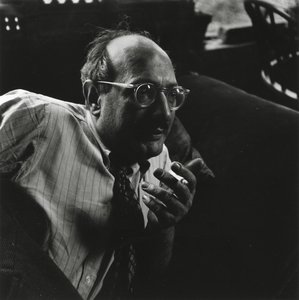
Mark Rothko
1903 - 1970 , Lettland
Kortfakta
- Artistic Movement Or Style:
- Color Field-måleri
- Abstrakt expressionism
- Artists Or Movements Influenced By This Artist: ['Minimalistiska rörelsen']
- Date Of Birth: 1903
- Date Of Death: 1970
- Full Name: Mark Rothko
- Nationality: Amerikansk
- Notable Artworks:
- Violet, Black, Orange, Yellow on White and Red
- White Center
- Earth ^ Green
- Orange and yellow
- Green and Tangerine on Red
- Four Darks in Red
- Black on Maroon
- Untitled Mural for End Wall
- Ochre and Red on Red
- Blue and gray
- Place Of Birth: Daugavpils, Lettland
Relaterade artiklar

Color & Emotion: The Top 25 Masterpieces by Mark Rothko
Immerse yourself in the profound emotion of Mark Rothko's greatest works. Explore 25 iconic Abstract Expressionist masterpieces, from color field textures to legendary canvases. Find inspiration for museum-quality art reproductions and decor. Discover all masterpieces on AllPaintingsStore.com.

Chromatic Depth: The Emotional Architecture of Mark Rothko's Color Field Painting
Explore the technical depth and emotional power of Rothko's Color Field painting. Master the architecture of color with our expert guide.


