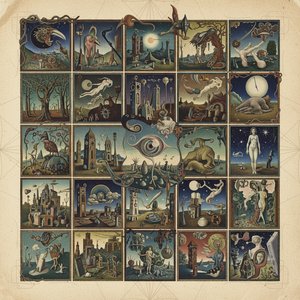
1919. Oil On Canvas, 54.0 x 43.0 cm.

§ 1Katalogdata

- 54.0 x 43.0 cm


Detta konstverk är upphovsrättsligt skyddat
Konstverket som visas på denna sida skyddas av upphovsrättslagen, vilket innebär att vi inte lagligt kan skapa eller sälja en identisk reproduktion. Detta skydd upprätthålls genom internationella avtal såsom den Bernkonventionen och genom nationella lagar, inklusive de som fastställs av Amerikansk upphovsrättslag – Titel 17. Alla rättigheter förbehållna. Återgivning av konstverk är förbjuden utan skriftligt tillstånd från WahooArt.
Som ett respektfullt och lagligt alternativ erbjuder vi skräddarsydda, handmålade konstverk inspirerade av originalet. Våra skickliga och professionella konstnärer studerar noggrant originalets stil, stämning och konstnärliga essens för att skapa ett nytt, unikt verk som väcker samma känsla – samtidigt som det förblir en originell skapelse i egen rätt.
Denna metod följer fullt ut upphovsrättsliga regler eftersom den inte innebär kopiering eller duplicering av det skyddade konstverket. Istället är det en kreativ nytolkning – en ny målning som är influerad av originalet men inte identisk med det.
 Läs mer
§ 2Abstrakt
Beskrivning av samlarobjekt
Explore Max Ernst’s surreal masterpiece ‘Aquis submersus,’ capturing a dreamlike pool scene with enigmatic figures and symbolic sports balls—a captivating glimpse into the artist's philosophical exploration of the subconscious during the Surrealist era. Discover this stunning reproduction.
Konstnärens biografi
Max Ernst (1891-1976): En surrealistisk pionjär med innovativa tekniker som frottage och collage. Hans konst utforskar drömmar, det undermedvetna & samhällets mörka sidor. #MaxErnst #Surrealism
§ 3Kommentarer
A Dreamscape Suspended in Time
To gaze upon Max Ernst’s 1919 masterpiece, Aquis submersus, is to step through a portal into the unsettlingly beautiful logic of the subconscious. The title itself, Latin for "Drowned in the Waters," serves as a haunting prelude to a visual journey that transcends the boundaries of the rational world. At first glance, the painting presents a scene of deceptive tranquility: a swimming pool nestled among architectural forms, where figures linger in a state of suspended animation. Yet, beneath this serene surface lies the restless energy of the early 20th century, a period defined by profound societal upheaval and the intellectual ferment following the Great War. Ernst does not merely depict a scene; he engineers a psychological labyrinth, inviting the viewer to navigate a landscape where the lines between reality and dream begin to dissolve.
The composition is an arresting study in juxtaposition. A man stands at the edge of the pool, his gaze fixed intently upon a woman reclining within the azure depths. This intimate, almost voyeuristic encounter is punctuated by the presence of two sports balls, strategically positioned to disrupt the water's surface. These elements of incongruity introduce an unsettling humor and a sense of chance that are hallmarks of the Dadaist and Surrealist spirit. As one explores the periphery of the pool, other figures appear scattered throughout the tableau—some sitting, some lying down—creating a sense of a shared, yet deeply isolated, dreamscape. The architecture itself feels strangely weightless, with buildings that cast shadows against the sky like solid walls, and a clock hanging in the heavens, its reflection on the water masquerading as a pale moon.
Technique and the Language of Surrealism
Ernst’s approach to Aquis subsubmersus is deeply rooted in his desire to liberate art from the constraints of logic. While this early work shows the profound influence of Italian Metaphysical art, it also hints at the experimental techniques that would later define his career. The painting employs bold colors and simplified forms, prioritizing emotional resonance over photographic realism. There is a tactile quality to the work, a precursor to his famous use of frottage, where textures are transferred to create organic, unpredictable patterns. This method mirrors the Surrealist obsession with accessing the hidden layers of the mind, using texture and shape to evoke the raw, unrefined imagery of dreams.
For the discerning collector or interior designer, this piece offers a profound emotional impact that shifts depending on the light and the viewer's perspective. It is a work of deep symbolism: the submerged woman may represent femininity, vulnerability, or even repressed desire, while the disruptive placement of the sports balls symbolizes the destabilization of the established order. Bringing a high-quality reproduction of this masterpiece into a space provides more than just decoration; it introduces a conversation piece that challenges the intellect and stirs the imagination. It is an ideal selection for those seeking to infuse their environment with mystery, depth, and the timeless allure of the human unconscious.
Frågor och svar
Vilken fas i Max Ernsts karriär motsvarar årtalet 1919 för "Aquis submersus"?
Med tanke på sitt datum från 1919, tillhör "Aquis submersus" Max Ernsts Mature Surreal.
Vilket format har "Aquis submersus" av Max Ernst?
"Aquis submersus" av Max Ernst har ett Portrait-format. Formatet beskriver kompositionens proportioner.
Vilken teknik och vilket årtal gäller för "Aquis submersus" av Max Ernst?
"Aquis submersus" av Max Ernst är utförd i Oil On Canvas och verket är daterat 1919.



 Byt till tryck


 För konstverk eller reproduktioner som är större än 105 cm (cirka 41 tum) på någon sida, levereras ramen som ett isärplockat kit. Denna metod säkerställer en trygg leverans och förhindrar skador under transport.