


 Visa i rummet
 Skicka
 Dela
Dela
 Detaljer
 Studentguide för konstverk

 Ladda ner
 Liknande objekt
 Röntgen
 Bildspel
 Besökstatistik
Ohne Titel

 Läs mer
Konstverket som visas på denna sida skyddas av upphovsrättslagen, vilket innebär att vi inte lagligt kan skapa eller sälja en identisk reproduktion. Detta skydd upprätthålls genom internationella avtal såsom den Bernkonventionen och genom nationella lagar, inklusive de som fastställs av Amerikansk upphovsrättslag – Titel 17. Alla rättigheter förbehållna. Återgivning av konstverk är förbjuden utan skriftligt tillstånd från WahooArt.
Denna metod följer fullt ut upphovsrättsliga regler eftersom den inte innebär kopiering eller duplicering av det skyddade konstverket. Istället är det en kreativ nytolkning – en ny målning som är influerad av originalet men inte identisk med det.
Giclée / Konsttryck
Giclée- eller canvasprint av museumskvalitet med snabb produktion och flexibla ytbehandlingsalternativ. ( Köp handmålat konstverk Byt till digital bildförsäljning)




P118B Skr10

P118H Skr10

P118W Skr10

P438Z Skr10

P508JH Skr12

P508YH Skr12

P805H Skr10

P805Z Skr10

P919BZ Skr10

P919G Skr10

P919XJ Skr10

P959ZH Skr10

P968JZ Skr12

W106C Skr8

W218G Skr10

W218JH Skr8

W218Y Skr10

W307PJ Skr10

W316G Skr10

W316PJ Skr8

W316Y Skr10

W398PJ Skr8

W4111J Skr10

W500HY Skr15

W500JH Skr15

W692G Skr12

W849H Skr8

W940BG Skr15

W953PJ Skr8




Välj bland våra förinställda storlekar som motsvarar konstverkets ursprungliga proportioner.

Ange den bredd och höjd du behöver, för att passa din ram eller din vägg. Ett tryck kan endast beskäras, aldrig göras större än bilden, vilket innebär att ett format med en annan formform leder till att en del av bilden går förlorad. Vi skickar en digital mockup för godkännande innan vi trycker något. Bilden som visas på denna sida visar inte den faktiska beskärningen — det är endast mockuppen som gör det.
Leverans över hela världen () på 2 veckor istället för standard 4/5 veckor. (24 oktober)

Fri expressfrakt över hela världen

Högkvalitativ linnecanvas

Fullständig fraktförsäkring

Garantier för återbetalning av tullavgifter

Garantier för exakt färgåtergivning

100 dagars returrätt vid fabrikationsfel

100% pengarna tillbaka-garanti

Mängdrabatt erbjuds
 Glasalternativet är endast tillgängligt i storlekar under 110 cm.

Ohne Titel
Giclée / Konsttryck
Reproduktionsstorlek
-


Totalpris
Skr 635
A Surrealist Echo: Unpacking Max Ernst’s “Ohne Titel”
Max Ernst's "Ohne Titel" – often referred to as "Personnages or Le Chapeau Rouge" – isn’t merely a painting; it’s an invitation into the labyrinthine depths of the subconscious. Created in 1949, this remarkable etching and aquatint, rendered in vibrant color on Japanese paper, embodies the core tenets of Surrealism while simultaneously hinting at the artist's lifelong fascination with chance, memory, and the evocative power of imagery. It’s a piece that rewards repeated viewing, revealing new layers of meaning with each encounter. Ernst, born in Brühl, Germany, in 1891, was a restless spirit who rejected conventional artistic paths, forging his own unique trajectory through experimentation and intellectual exploration – a path deeply intertwined with the burgeoning Surrealist movement. His early years were marked by a rejection of academic art, leading him to embrace Dadaism before ultimately finding resonance within the more psychologically-oriented Surrealism championed by André Breton.The Alchemy of Chance: Technique and Process
At first glance, “Ohne Titel” appears chaotic – a swirling vortex of greens, reds, yellows, and blacks colliding across the page. However, this apparent disorder is meticulously orchestrated. Ernst employed a technique he termed "collage," layering aquatint and etching plates to create a complex matrix of tonal variations. The process involved applying ink to the plate, then covering it with wax before exposing it to light through a photographic negative. This created areas of varying density, which would subsequently be etched – resulting in the final image. Crucially, Ernst embraced chance within this controlled system. He often left portions of the plate unworked, allowing the etching process itself to introduce unexpected textures and patterns. The result is a mesmerizing interplay between deliberate design and serendipitous discovery—a testament to Ernst’s belief that true creativity arises from the collision of intention and accident. The use of Japanese paper adds an element of subtle elegance and texture, further enhancing the artwork's visual richness.Symbolic Landscapes: Unveiling Hidden Meanings
While devoid of recognizable figures or objects, “Ohne Titel” is profoundly symbolic. The dominant greens evoke a sense of primal nature, hinting at both fertility and decay – a recurring motif in Ernst’s work. The vibrant reds and yellows suggest energy, passion, and perhaps even danger. The fragmented forms, resembling distorted human shapes or abstract landscapes, are deliberately ambiguous, inviting the viewer to project their own experiences and emotions onto the scene. Some art historians interpret these figures as echoes of childhood memories, while others see them as representations of the anxieties and uncertainties of a rapidly changing world. The title itself – “Ohne Titel” – underscores the artwork’s inherent openness, suggesting that its meaning is not fixed but rather emerges from the interaction between the viewer and the image. The inclusion of "Personnages or Le Chapeau Rouge" hints at both human figures and a flamboyant hat, adding another layer of visual intrigue.A Window into the Unconscious: Context and Legacy
“Ohne Titel” was created during a period of intense artistic experimentation and intellectual ferment – the aftermath of World War II and the rise of Cold War anxieties. Surrealism, with its emphasis on dreams, irrationality, and the exploration of the unconscious mind, provided a powerful framework for grappling with these turbulent times. Ernst’s work reflects this broader cultural context, offering a glimpse into the psychological landscape of a generation struggling to make sense of a world shattered by violence and uncertainty. His innovative techniques – including frottage (rubbing textures onto paper) and decalcomania (transferring ink from one surface to another) – became hallmarks of Surrealist art, influencing countless artists who followed in his footsteps. “Ohne Titel” stands as a prime example of Ernst’s enduring legacy—a testament to the power of imagination and the transformative potential of artistic experimentation.A Timeless Resonance: Emotional Impact and Aesthetic Appeal
Ultimately, "Ohne Titel" transcends its technical complexities to offer a deeply resonant emotional experience. The swirling colors, fragmented forms, and ambiguous imagery create a sense of unease, mystery, and profound beauty. It’s a piece that lingers in the mind long after it has been viewed, prompting reflection on themes of memory, identity, and the nature of reality. Its vibrant palette and intricate textures make it equally captivating as a standalone artwork or as part of a carefully curated interior design scheme. The work's inherent ambiguity ensures its continued relevance, inviting viewers to engage with it on a personal level and discover their own unique interpretations. It’s a powerful reminder that art can be both intellectually stimulating and emotionally evocative—a true testament to the genius of Max Ernst.Frågor och svar
Hur kan jag förhandsgranska en reproduktion av "Ohne Titel" av Max Ernst?
För att förhandsgranska en reproduktion av "Ohne Titel" av Max Ernst, öppna konstverkets Förhandsvisning-sida.
Vilket stämningsläge uttrycker "Ohne Titel" av Max Ernst inom Surrealism?
"Ohne Titel" förmedlar en Mysterious emotionell ton inom Surrealism-rörelsen.
Hur stark är kontrasten i "Ohne Titel" av Max Ernst?
Ljus-mörker-kontrasten i "Ohne Titel" är registrerad som Serene. Kontrast beskriver hur starkt ljusa och mörka partier skiljer sig åt.
Liknande konstverk


Om konstnären
A Life Immersed in the Surreal
Max Ernst, född Maximilian Maria Ernst den 2 april 1891 i Brühl, och död den 1 april 1976 i Paris, var en tysk målare, grafiker och skulptör som verkade inom både dadaismen och surrealismen. Hans konstnärsbana var inte en traditionell akademisk väg utan snarare en självständig utforskning driven av filosofiska funderingar, psykologisk fascination och en djup misstro mot samhällets normer. Ernsts far, en lärare för döva och en amatörmålare, lade grunden till hans konstintresse genom att både ge honom en ömhet för världen och en rebellisk inställning mot etablerade auktoriteter. Denna tidiga dualitet skulle prägla hela hans konstnärliga vision.
Ernsts studier vid Bonn universitet – omfattande filosofi, konsthistoria, litteratur, psykologi och psykiatri – var inte bara intellektuella sysslor utan snarare fundamentala element som djupt påverkade hans senare verk. Han var inte bara intresserad av *hur* man målar; han brottades med *varför*. Denna intellektuella nyfikenhet ledde honom till att möta de banbrytande verken av Picasso, Van Gogh och Gauguin vid Sonderbund-utställningen i Köln 1912 – en händelse som omedelbart förändrade hans konstnärliga bana. Fröet till modernismen var sått.
Dada’s Disruption and the Birth of Surrealist Visions
Första världskrigets katastrof utgjorde en vändpunkt i Ernsts liv. Hans erfarenheter som soldat på både öst- och västfronten lämnade honom djupt traumatiserad, vilket framkallade en djup misstro mot etablerade ordningar och en längtan efter nya former av expression. Denna desillusionering fann fruktbar grund i den uppstigande dadaismen, som han omfamnade helhjärtat efter sin återkomst till Köln 1918. Tillsammans med Hans Arp – en livslång vän och samarbetare – blev Ernst en central figur i Kölns dada-grupp, som avvisade traditionella konstnärliga konventioner och omfamnade absurditet, slump och anti-rationalitet.
Dada var dock bara ett steg på vägen. I de tidiga 1920-talet emigrerade Ernst till Paris och anslöt sig till Surrealistkretsen, ledd av André Breton. Detta markerade en övergång mot utforskandet av drömmarnas värld, det omedvetna sinnet och den irrationella. Påverkade av Sigmund Freuds psykoanalytiska teorier sökte Ernst att låsa upp de dolda djupen i mänsklig erfarenhet genom sin konst. Han var inte intresserad av att skildra verkligheten som den såg ut utan snarare av att avslöja de underliggande psykologiska krafterna som formade den.
Pioneering Techniques: Frottage, Grattage, and Collage
Ernsts konstnärliga innovation sträckte sig bortom ämnesval; han var en skoningslös experimentator med teknik. Han tog inte bara befintliga metoder – han uppfann nya. Kanske hans mest kända bidrag är frottage, en process att gnugga pencil eller kol på texturerade ytor för att skapa oväntade och suggestiva bilder. Denna teknik, född ur ett ögonblick av tristess under observationen av träets ådring, tillät Ernst att komma åt det omedvetna och generera former som trotsade medveten kontroll. Nära relaterat var grattage, där färg skrapas över duken för att avslöja de underliggande lagren.
Han behärksade också collage, att sammanställa olika element – bilder från tidningar, vetenskapliga illustrationer – i surrealistiska kompositioner som utmanade konventionella föreställningar om representation. Dessa tekniker var inte bara stilval – de var integrerade i hans utforskning av det omedvetna och hans strävan efter att störta traditionella konstnärliga gränser. Hans målningar präglas ofta av återkommande symboliska bilder: fåglar (särskilt hans alter ego Loplop), ödsliga landskap, oroande sammansättningar och en genomträngande känsla av mysterium.
A Legacy of Innovation and Influence
Utbrottet av andra världskriget tvingade Ernst att fly Europa och söka skydd i USA. Han fortsatte att måla och experimentera med nya tekniker under sin exil, och återvände till Frankrike efter kriget där han var aktiv fram till sin död den 1 april 1976 i Paris.
Max Ernsts bidrag till Dada och Surrealismen var inget annat än banbrytande. Han utmanade konstnärliga normer, grävde djupare in sig i det omedvetna sinnet och uppfann innovativa tekniker som fortsätter att inspirera konstnärer idag. Han var inte bara en målare; han var en utforskare, en provocerare och en visionär som utvidgade konstens gränser själva.
- Major Works: The Entire City, Euclides, Of This Men Shall Know Nothing, Forest and Dove
- Influences: Pablo Picasso, Vincent van Gogh, Paul Gauguin, Sigmund Freud, Giorgio de Chirico
- Movements: Dada, Surrealism
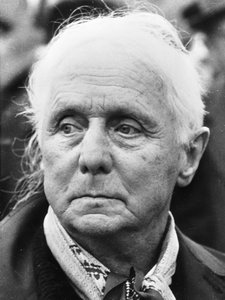
Max Ernst
1891 - 1976 , Tyskland
Snabbfakta
- Artistic Movement Or Style: Dada och Surrealism
- Artists Or Movements Influenced By This Artist:
- Surrealism
- Dada
- Artists Who Influenced This Artist:
- Picasso
- Van Gogh
- Gauguin
- Date Of Birth: 2 april 1891
- Date Of Death: 1 april 1976
- Full Name: Max Ernst
- Nationality: Tysk-amerikansk, fransk
- Notable Artworks:
- Ofrenda funeraria
- The Equivocal Woman
- L'Ange du foyer
- Place Of Birth: Brühl, Tyskland
Relaterade artiklar

Strategic Sourcing of Premium Abstract Art for High-Impact Commercial Interiors and Large-Scale Hotel Projects
Streamline your commercial art procurement with our expert guide to sourcing premium abstract art for hotel and large-scale projects. Discover professional solutions for custom sizing, multi-panel layouts, and reliable bulk ordering designed for hospitality designers.

Expressionist Abstraction: A Procurement Guide to Bold Colors and Emotional Impact for Modern Hotel Interiors
Elevate hospitality spaces with Expressionist Abstraction. A professional procurement guide for hotel designers on sourcing bold, large-scale abstract oil paintings to create impactful, high-end modern interiors through reliable bulk-order art solutions.


