


 Visa i rummet
 Skicka
 Dela
Dela
 Detaljer
 Studentguide för konstverk

 Ladda ner
 Liknande objekt
 Röntgen
 Bildspel
 Besökstatistik
París-sueño


 Läs mer
Konstverket som visas på denna sida skyddas av upphovsrättslagen, vilket innebär att vi inte lagligt kan skapa eller sälja en identisk reproduktion. Detta skydd upprätthålls genom internationella avtal såsom den Bernkonventionen och genom nationella lagar, inklusive de som fastställs av Amerikansk upphovsrättslag – Titel 17. Alla rättigheter förbehållna. Återgivning av konstverk är förbjuden utan skriftligt tillstånd från WahooArt.
Denna metod följer fullt ut upphovsrättsliga regler eftersom den inte innebär kopiering eller duplicering av det skyddade konstverket. Istället är det en kreativ nytolkning – en ny målning som är influerad av originalet men inte identisk med det.
Giclée / Konsttryck
Giclée- eller canvasprint av museumskvalitet med snabb produktion och flexibla ytbehandlingsalternativ. ( Köp handmålat konstverk Byt till digital bildförsäljning)




P118B Skr10

P118H Skr10

P118W Skr10

P438Z Skr10

P508JH Skr12

P508YH Skr12

P805H Skr10

P805Z Skr10

P919BZ Skr10

P919G Skr10

P919XJ Skr10

P959ZH Skr10

P968JZ Skr12

W106C Skr8

W218G Skr10

W218JH Skr8

W218Y Skr10

W307PJ Skr10

W316G Skr10

W316PJ Skr8

W316Y Skr10

W398PJ Skr8

W4111J Skr10

W500HY Skr15

W500JH Skr15

W692G Skr12

W849H Skr8

W940BG Skr15

W953PJ Skr8




Välj bland våra förinställda storlekar som motsvarar konstverkets ursprungliga proportioner.

Ange den bredd och höjd du behöver, för att passa din ram eller din vägg. Ett tryck kan endast beskäras, aldrig göras större än bilden, vilket innebär att ett format med en annan formform leder till att en del av bilden går förlorad. Vi skickar en digital mockup för godkännande innan vi trycker något. Bilden som visas på denna sida visar inte den faktiska beskärningen — det är endast mockuppen som gör det.
Leverans över hela världen () på 2 veckor istället för standard 4/5 veckor. (25 oktober)

Fri expressfrakt över hela världen

Högkvalitativ linnecanvas

Fullständig fraktförsäkring

Garantier för återbetalning av tullavgifter

Garantier för exakt färgåtergivning

100 dagars returrätt vid fabrikationsfel

100% pengarna tillbaka-garanti

Mängdrabatt erbjuds
 Glasalternativet är endast tillgängligt i storlekar under 110 cm.

París-sueño
Giclée / Konsttryck
Reproduktionsstorlek
-


Totalpris
Skr 634
A Dreamscape Emerges: Max Ernst’s *París-Sueño*
Max Ernst's *París-Sueño*, a captivating oil painting from the heart of the Surrealist movement, isn’t merely a depiction of a landscape; it’s an immersion into a dreamlike state, a visual poem born from the anxieties and intellectual ferment of the early 20th century. Created in 1925, during his pivotal years in Paris, this work represents a significant departure for Ernst, moving beyond the immediate shock of Dadaism towards a more nuanced exploration of the subconscious – a realm he would master throughout his career. The painting immediately draws the viewer into its hazy atmosphere, inviting contemplation and a sense of gentle disorientation. It’s a testament to Ernst's ability to synthesize disparate influences—Cubism’s fragmented forms, Expressionism’s emotional intensity, and the burgeoning ideas of Surrealism – resulting in an utterly unique artistic vision.
The Language of Color and Texture
Dominating the canvas are washes of vibrant red, orange, and yellow, radiating warmth and a palpable sense of luminosity. These aren’t simply colors; they're imbued with emotional weight, suggesting both the intensity of a sunset and the underlying heat of an unspoken feeling. The clouds themselves swirl and shift, creating a dynamic interplay of light and shadow that defies precise representation. Crucially, Ernst employs a technique he termed “grattage,” scraping paint across the canvas to reveal the textures beneath – hints of wood grain, perhaps, or the ghost of previous layers. This deliberate disruption of surface creates an intriguing tactile quality, inviting the viewer to almost *feel* the landscape, adding another layer of sensory engagement.
Roots in Dada and Surrealism: A Journey into the Unconscious
*París-Sueño* firmly roots itself within the context of both Dada and Surrealism. Emerging from the disillusionment following World War I, Dada sought to dismantle traditional artistic conventions, embracing absurdity and challenging societal norms. Ernst’s early collages exemplify this spirit, juxtaposing unexpected elements in a deliberately unsettling manner. However, *París-Sueño* represents a shift towards Surrealism's focus on exploring the subconscious mind – dreams, desires, and anxieties. The painting echoes the principles of automatism, a key technique championed by André Breton, the movement’s leading theorist. This involved creating art without conscious control, allowing the unconscious to guide the hand and reveal hidden imagery.
Symbolic Resonance: Birds, Light, and the City
Despite its dreamlike quality, *París-Sueño* is rich in symbolic resonance. The prominent sun, a recurring motif in Ernst’s work, often represents vitality, but here it seems almost melancholic, casting a warm glow upon the scene. The trees, rendered with a degree of abstraction, could symbolize both growth and confinement – perhaps reflecting the artist's own experiences navigating the complexities of Parisian life. The presence of birds is particularly significant; Ernst frequently depicted them as symbols of freedom and escape, suggesting a yearning for transcendence within the confines of reality. Considering the title, *París-Sueño*, one can interpret the painting as a meditation on the city itself – a place of both beauty and alienation, where dreams and realities intertwine.
Reproductions of *París-Sueño* offer a remarkable opportunity to bring this evocative artwork into your home or office. AllPaintingsStore’s hand-painted reproductions capture the painting's luminosity, texture, and emotional depth with unparalleled fidelity. Each reproduction is created by skilled artists using traditional oil painting techniques, ensuring that you receive an authentic work of art that will enrich any space. Explore our collection today and experience the magic of Max Ernst’s *París-Sueño* firsthand.
Frågor och svar
Finns en högupplöst nedladdning av "París-sueño" tillgänglig?
En digital bild av "París-sueño" av Max Ernst kan köpas på dess Digital bild-sida: en högupplöst digital bildnedladdning.
Var i hemmet passar en reproduktion av "París-sueño" bra?
Det rekommenderade utrymmet för "París-sueño" av Max Ernst är ett Living Room. Förslaget kan naturligtvis anpassas efter din inredning.
Var placerar sig "París-sueño" i förhållande till Max Ernsts samlade konstnärskap?
"París-sueño" tillhör Max Ernsts Surrealism-period, vars dokumenterade teman inkluderar dada, surrealism, experimentation, irony, challenge, post-war disillusionment, societal critique, questioning.
Liknande konstverk


Om konstnären
A Life Immersed in the Surreal
Max Ernst, född Maximilian Maria Ernst den 2 april 1891 i Brühl, och död den 1 april 1976 i Paris, var en tysk målare, grafiker och skulptör som verkade inom både dadaismen och surrealismen. Hans konstnärsbana var inte en traditionell akademisk väg utan snarare en självständig utforskning driven av filosofiska funderingar, psykologisk fascination och en djup misstro mot samhällets normer. Ernsts far, en lärare för döva och en amatörmålare, lade grunden till hans konstintresse genom att både ge honom en ömhet för världen och en rebellisk inställning mot etablerade auktoriteter. Denna tidiga dualitet skulle prägla hela hans konstnärliga vision.
Ernsts studier vid Bonn universitet – omfattande filosofi, konsthistoria, litteratur, psykologi och psykiatri – var inte bara intellektuella sysslor utan snarare fundamentala element som djupt påverkade hans senare verk. Han var inte bara intresserad av *hur* man målar; han brottades med *varför*. Denna intellektuella nyfikenhet ledde honom till att möta de banbrytande verken av Picasso, Van Gogh och Gauguin vid Sonderbund-utställningen i Köln 1912 – en händelse som omedelbart förändrade hans konstnärliga bana. Fröet till modernismen var sått.
Dada’s Disruption and the Birth of Surrealist Visions
Första världskrigets katastrof utgjorde en vändpunkt i Ernsts liv. Hans erfarenheter som soldat på både öst- och västfronten lämnade honom djupt traumatiserad, vilket framkallade en djup misstro mot etablerade ordningar och en längtan efter nya former av expression. Denna desillusionering fann fruktbar grund i den uppstigande dadaismen, som han omfamnade helhjärtat efter sin återkomst till Köln 1918. Tillsammans med Hans Arp – en livslång vän och samarbetare – blev Ernst en central figur i Kölns dada-grupp, som avvisade traditionella konstnärliga konventioner och omfamnade absurditet, slump och anti-rationalitet.
Dada var dock bara ett steg på vägen. I de tidiga 1920-talet emigrerade Ernst till Paris och anslöt sig till Surrealistkretsen, ledd av André Breton. Detta markerade en övergång mot utforskandet av drömmarnas värld, det omedvetna sinnet och den irrationella. Påverkade av Sigmund Freuds psykoanalytiska teorier sökte Ernst att låsa upp de dolda djupen i mänsklig erfarenhet genom sin konst. Han var inte intresserad av att skildra verkligheten som den såg ut utan snarare av att avslöja de underliggande psykologiska krafterna som formade den.
Pioneering Techniques: Frottage, Grattage, and Collage
Ernsts konstnärliga innovation sträckte sig bortom ämnesval; han var en skoningslös experimentator med teknik. Han tog inte bara befintliga metoder – han uppfann nya. Kanske hans mest kända bidrag är frottage, en process att gnugga pencil eller kol på texturerade ytor för att skapa oväntade och suggestiva bilder. Denna teknik, född ur ett ögonblick av tristess under observationen av träets ådring, tillät Ernst att komma åt det omedvetna och generera former som trotsade medveten kontroll. Nära relaterat var grattage, där färg skrapas över duken för att avslöja de underliggande lagren.
Han behärksade också collage, att sammanställa olika element – bilder från tidningar, vetenskapliga illustrationer – i surrealistiska kompositioner som utmanade konventionella föreställningar om representation. Dessa tekniker var inte bara stilval – de var integrerade i hans utforskning av det omedvetna och hans strävan efter att störta traditionella konstnärliga gränser. Hans målningar präglas ofta av återkommande symboliska bilder: fåglar (särskilt hans alter ego Loplop), ödsliga landskap, oroande sammansättningar och en genomträngande känsla av mysterium.
A Legacy of Innovation and Influence
Utbrottet av andra världskriget tvingade Ernst att fly Europa och söka skydd i USA. Han fortsatte att måla och experimentera med nya tekniker under sin exil, och återvände till Frankrike efter kriget där han var aktiv fram till sin död den 1 april 1976 i Paris.
Max Ernsts bidrag till Dada och Surrealismen var inget annat än banbrytande. Han utmanade konstnärliga normer, grävde djupare in sig i det omedvetna sinnet och uppfann innovativa tekniker som fortsätter att inspirera konstnärer idag. Han var inte bara en målare; han var en utforskare, en provocerare och en visionär som utvidgade konstens gränser själva.
- Major Works: The Entire City, Euclides, Of This Men Shall Know Nothing, Forest and Dove
- Influences: Pablo Picasso, Vincent van Gogh, Paul Gauguin, Sigmund Freud, Giorgio de Chirico
- Movements: Dada, Surrealism
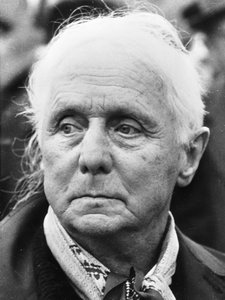
Max Ernst
1891 - 1976 , Tyskland
Snabbfakta
- Artistic Movement Or Style: Dada och Surrealism
- Artists Or Movements Influenced By This Artist:
- Surrealism
- Dada
- Artists Who Influenced This Artist:
- Picasso
- Van Gogh
- Gauguin
- Date Of Birth: 2 april 1891
- Date Of Death: 1 april 1976
- Full Name: Max Ernst
- Nationality: Tysk-amerikansk, fransk
- Notable Artworks:
- Ofrenda funeraria
- The Equivocal Woman
- L'Ange du foyer
- Place Of Birth: Brühl, Tyskland
Relaterade artiklar

Surrealism Unveiled: A Sophisticated Exploration of the Ethereal Boundary Between Dreams and Reality
Embark on a sophisticated journey through the surrealist movement. Discover how masters like Dalí and Ernst blurred the lines between dreams and reality through innovative techniques, exploring the profound impact of the subconscious on fine art history with expert authority.

The Enduring Legacy of Oil on Canvas: Technique, History & Aesthetic Impact
Explore the rich history & techniques of oil painting – from Renaissance masters to Impressionism. Discover pigments, layering methods, and why this timeless medium endures. Expert insights for artists & art enthusiasts.

Dreamscapes & Disrupted Realities: Exploring Surrealism's Enduring Influence
Explore the fascinating world of Surrealism! Discover its origins, key artists like Dalí & Magritte, and enduring influence on art & culture. Expert insights & high-quality reproductions at AllPaintingsStore.

The Subconscious Canvas: Exploring Dream Imagery in Art History & Contemporary Practice
Explore the captivating world of dream imagery in art history & contemporary practice. Discover key artists, symbolism, investment potential & expert insights for collectors at AllPaintingsStore.
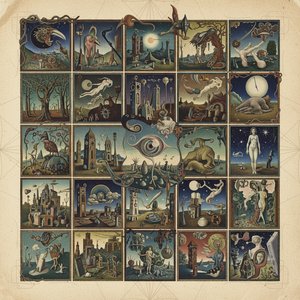
Max Ernsts 25 Mästerverk: Surrealismens Geni i Konst och Hemmets Atmosfär
Utforska Max Ernsts 25 mest ikoniska surrealistiska målningar och collage. Lär känna historien bakom dadaismens genier och expressionismens färgstarka värld. Hitta inspiration till din heminredning med museumskvalitativa konsttryck på AllPaintingsStore.com.


