


 Förhandsvisa
 Skicka
 Dela
Dela
 Visa detaljer
 Guide
Guide

 Ladda ner
 Liknande objekt
 Röntgen
 Bildspel
 Frågor och svar
 Statistik
Senza titolo


 Visa mer
Konstverket som visas på denna sida skyddas av upphovsrättslagen, vilket innebär att vi inte lagligt kan skapa eller sälja en identisk reproduktion. Detta skydd upprätthålls genom internationella avtal såsom den Bernkonventionen och genom nationella lagar, inklusive de som fastställs av Amerikansk upphovsrättslag – Titel 17. Alla rättigheter förbehållna. Återgivning av konstverk är förbjuden utan skriftligt tillstånd från WahooArt.
Denna metod följer fullt ut upphovsrättsliga regler eftersom den inte innebär kopiering eller duplicering av det skyddade konstverket. Istället är det en kreativ nytolkning – en ny målning som är influerad av originalet men inte identisk med det.
Giclée / Konsttryck
Giclée- eller canvasprint av museumskvalitet med snabb produktion och flexibla ytbehandlingsalternativ. ( Beställ handmålad reproduktion Byt till digital bild)




P118B Skr10

P118H Skr10

P118W Skr10

P438Z Skr10

P508JH Skr12

P508YH Skr12

P805H Skr10

P805Z Skr10

P919BZ Skr10

P919G Skr10

P919XJ Skr10

P959ZH Skr10

P968JZ Skr12

W106C Skr8

W218G Skr10

W218JH Skr8

W218Y Skr10

W307PJ Skr10

W316G Skr10

W316PJ Skr8

W316Y Skr10

W398PJ Skr8

W4111J Skr10

W500HY Skr15

W500JH Skr15

W692G Skr12

W849H Skr8

W940BG Skr15

W953PJ Skr8




Välj bland våra förinställda storlekar som motsvarar konstverkets ursprungliga proportioner.

Ange den bredd och höjd du behöver för att passa din ram eller vägg. Ett tryck kan endast beskäras, aldrig göras större än originalbilden, vilket innebär att ett format med en annan proportion leder till att en del av bilden går förlorad. Vi skickar en digital mockup för godkännande innan vi påbörjar tryckningen. Bilden som visas på denna sida visar inte den faktiska beskärningen — det är endast mockuppen som gör det.
Leverans över hela världen () på 2 veckor istället för standard 4/5 veckor. (6 november)

Fri expressfrakt över hela världen

Högkvalitativ linnecanvas

Fullständig fraktförsäkring

Garantier för återbetalning av tullavgifter

Garantier för exakt färgåtergivning

100 dagars returrätt (endast vid fel)

100% pengarna tillbaka-garanti

Mängdrabatt erbjuds
 Glasalternativet är endast tillgängligt i storlekar under 110 cm.

Senza titolo
Giclée / Konsttryck
Storlek på reproduktion
-


Slutgiltigt pris
Skr 651
A Descent into the Surrealist Labyrinth
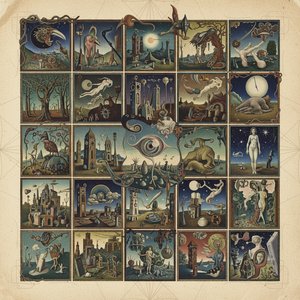
To encounter Max Ernst’s “Senza titolo” is to step beyond the threshold of the rational world and enter a psychological landscape where the boundaries of reality begin to dissolve. Created in 1925, this evocative lithograph serves as a profound window into the mind of one of the twentieth century's most influential architects of the subconscious. Emerging from the intellectual tremors of the post-World War I era, Ernst utilized his art to navigate the wreckage of societal norms, drawing deeply from the burgeoning field of psychoanalysis. The work does not merely present a scene; it orchestrates an encounter with the uncanny, inviting viewers to wander through a dreamscape where every shadow and shape whispers of hidden truths and repressed desires.
The composition is a masterclass in what might be described as calculated chaos. At first glance, the eye is drawn to a collection of seemingly familiar objects—books, snakes, and geometric motifs—yet their arrangement defies the comfort of logic. Ernst employs a meticulous technique, utilizing fine hatching and precise contours that lend a startling sense of tactile reality to each element. This precision, however, is used to heighten the unsettling nature of the spatial arrangement. Books lean precariously against one another as if on the verge of collapse, creating an atmosphere of profound instability. A snake coils diagonally across the canvas, its movement disrupting linear perspective and injecting a primal, visceral tension into the scene. It is this very juxtaposition—the hyper-realistic rendering of objects set within an impossible, fractured space—that defines the haunting allure of Ernst’s Surrealist vision.
Symbolism and the Architecture of Dreams
Beneath the surface of this intricate arrangement lies a dense web of Freudian symbolism. For the discerning collector or art enthusiast, “Senza titolo” offers a rich tapestry of meaning to decode. The books, often representing the weight of human knowledge and intellectual pursuit, are depicted in a state of precarious balance, perhaps suggesting the fragility of reason when confronted by the overwhelming power of the irrational. The serpent, a recurring motif in Ernst’s oeuvre, acts as a potent symbol of instinctual drives—representing transformation, danger, and the untamed sexuality that resides within the human psyche. Even the circular motif at the periphery serves to anchor the viewer within a cyclical, dream-like logic that transcends time.
For those looking to integrate such a profound piece into a curated interior, “Senza titolo” provides an unparalleled focal point of intellectual depth and aesthetic intrigue. Whether displayed in a modern gallery-style setting or as a conversation piece within a sophisticated study, the artwork commands attention through its ability to provoke contemplation. It is more than a mere decoration; it is an invitation to explore the textures of the mind. A high-quality reproduction of this masterpiece allows the subtle nuances of Ernst’s hatching and the dramatic tonal variations to shine, bringing the restless, beautiful energy of the Surrealist movement into the contemporary home.
Frågor och svar
Vilka färger dominerar i "Senza titolo" av Max Ernst?
Färgidentiteten i "Senza titolo" av Max Ernst: en Pastels-palett, dominerad av Putty (#eed4b7).
Vem har skapat "Senza titolo"?
Konstnären bakom "Senza titolo" är Max Ernst. Verket är katalogiserat under Max Ernsts namn.
Finns det en guide för "Senza titolo" av Max Ernst?
Sidan Faktablad för elever för "Senza titolo" av Max Ernst erbjuder ett utskrivbart faktablad på två sidor: konstverket med sin identitetstabell, en tidslinje som placerar det i konstnärens livstid, andra verk av konstnären, den mätta färgpaletten samt färdiga citatmallar i fyra olika stilar.
Liknande konstverk


Konstnärsbiografi
A Life Immersed in the Surreal
Max Ernst, född Maximilian Maria Ernst den 2 april 1891 i Brühl, och död den 1 april 1976 i Paris, var en tysk målare, grafiker och skulptör som verkade inom både dadaismen och surrealismen. Hans konstnärsbana var inte en traditionell akademisk väg utan snarare en självständig utforskning driven av filosofiska funderingar, psykologisk fascination och en djup misstro mot samhällets normer. Ernsts far, en lärare för döva och en amatörmålare, lade grunden till hans konstintresse genom att både ge honom en ömhet för världen och en rebellisk inställning mot etablerade auktoriteter. Denna tidiga dualitet skulle prägla hela hans konstnärliga vision.
Ernsts studier vid Bonn universitet – omfattande filosofi, konsthistoria, litteratur, psykologi och psykiatri – var inte bara intellektuella sysslor utan snarare fundamentala element som djupt påverkade hans senare verk. Han var inte bara intresserad av *hur* man målar; han brottades med *varför*. Denna intellektuella nyfikenhet ledde honom till att möta de banbrytande verken av Picasso, Van Gogh och Gauguin vid Sonderbund-utställningen i Köln 1912 – en händelse som omedelbart förändrade hans konstnärliga bana. Fröet till modernismen var sått.
Dada’s Disruption and the Birth of Surrealist Visions
Första världskrigets katastrof utgjorde en vändpunkt i Ernsts liv. Hans erfarenheter som soldat på både öst- och västfronten lämnade honom djupt traumatiserad, vilket framkallade en djup misstro mot etablerade ordningar och en längtan efter nya former av expression. Denna desillusionering fann fruktbar grund i den uppstigande dadaismen, som han omfamnade helhjärtat efter sin återkomst till Köln 1918. Tillsammans med Hans Arp – en livslång vän och samarbetare – blev Ernst en central figur i Kölns dada-grupp, som avvisade traditionella konstnärliga konventioner och omfamnade absurditet, slump och anti-rationalitet.
Dada var dock bara ett steg på vägen. I de tidiga 1920-talet emigrerade Ernst till Paris och anslöt sig till Surrealistkretsen, ledd av André Breton. Detta markerade en övergång mot utforskandet av drömmarnas värld, det omedvetna sinnet och den irrationella. Påverkade av Sigmund Freuds psykoanalytiska teorier sökte Ernst att låsa upp de dolda djupen i mänsklig erfarenhet genom sin konst. Han var inte intresserad av att skildra verkligheten som den såg ut utan snarare av att avslöja de underliggande psykologiska krafterna som formade den.
Pioneering Techniques: Frottage, Grattage, and Collage
Ernsts konstnärliga innovation sträckte sig bortom ämnesval; han var en skoningslös experimentator med teknik. Han tog inte bara befintliga metoder – han uppfann nya. Kanske hans mest kända bidrag är frottage, en process att gnugga pencil eller kol på texturerade ytor för att skapa oväntade och suggestiva bilder. Denna teknik, född ur ett ögonblick av tristess under observationen av träets ådring, tillät Ernst att komma åt det omedvetna och generera former som trotsade medveten kontroll. Nära relaterat var grattage, där färg skrapas över duken för att avslöja de underliggande lagren.
Han behärksade också collage, att sammanställa olika element – bilder från tidningar, vetenskapliga illustrationer – i surrealistiska kompositioner som utmanade konventionella föreställningar om representation. Dessa tekniker var inte bara stilval – de var integrerade i hans utforskning av det omedvetna och hans strävan efter att störta traditionella konstnärliga gränser. Hans målningar präglas ofta av återkommande symboliska bilder: fåglar (särskilt hans alter ego Loplop), ödsliga landskap, oroande sammansättningar och en genomträngande känsla av mysterium.
A Legacy of Innovation and Influence
Utbrottet av andra världskriget tvingade Ernst att fly Europa och söka skydd i USA. Han fortsatte att måla och experimentera med nya tekniker under sin exil, och återvände till Frankrike efter kriget där han var aktiv fram till sin död den 1 april 1976 i Paris.
Max Ernsts bidrag till Dada och Surrealismen var inget annat än banbrytande. Han utmanade konstnärliga normer, grävde djupare in sig i det omedvetna sinnet och uppfann innovativa tekniker som fortsätter att inspirera konstnärer idag. Han var inte bara en målare; han var en utforskare, en provocerare och en visionär som utvidgade konstens gränser själva.
- Major Works: The Entire City, Euclides, Of This Men Shall Know Nothing, Forest and Dove
- Influences: Pablo Picasso, Vincent van Gogh, Paul Gauguin, Sigmund Freud, Giorgio de Chirico
- Movements: Dada, Surrealism

Max Ernst
1891 - 1976 , Tyskland
Kortfakta
- Artistic Movement Or Style: Dada och Surrealism
- Artists Or Movements Influenced By This Artist:
- Surrealism
- Dada
- Artists Who Influenced This Artist:
- Picasso
- Van Gogh
- Gauguin
- Date Of Birth: 2 april 1891
- Date Of Death: 1 april 1976
- Full Name: Max Ernst
- Nationality: Tysk-amerikansk, fransk
- Notable Artworks:
- Ofrenda funeraria
- The Equivocal Woman
- L'Ange du foyer
- Place Of Birth: Brühl, Tyskland
Relaterade artiklar

Beyond Reality's Grasp: Exploring the Philosophical Foundations of Surrealism
Explore the philosophical roots & artistic innovations of Surrealism with AllPaintingsStore. Discover Dalí, Ernst, Delvaux & Freud's influence on this revolutionary movement. High-quality art reproductions available.

Surrealismens 10 Mästerverk: Konst som Utmanar Verkligheten – AllPaintingsStore
Utforska surrealismens 10 mest ikoniska mästerverk – Dalí, Magritte & mer. Lär känna historien bakom drömlika landskap och symbolik i konsten. Hitta konsttryck av högsta kvalitet för ditt hem på AllPaintingsStore.com.
Max Ernsts 25 Mästerverk: Surrealismens Geni i Konst och Hemmets Atmosfär
Utforska Max Ernsts 25 mest ikoniska surrealistiska målningar och collage. Lär känna historien bakom dadaismens genier och expressionismens färgstarka värld. Hitta inspiration till din heminredning med museumskvalitativa konsttryck på AllPaintingsStore.com.

Dreamscapes & Disrupted Realities: Exploring Surrealism's Enduring Influence
Explore the fascinating world of Surrealism! Discover its origins, key artists like Dalí & Magritte, and enduring influence on art & culture. Expert insights & high-quality reproductions at AllPaintingsStore.

10 Legendariska Litografier Som Förändrade Konsthistorien – Upptäck Mästerverk Nu!
Utforska 10 legendariska litografier av Toulouse-Lautrec, Munch & Picasso! Upptäck konsthistorien bakom dessa mästerverk och låt dig inspireras. Köp museumkvalitativa reproduktioner på AllPaintingsStore.com – för en stilfull inredning.


