


 Visa i rummet
 Skicka
 Dela
Dela
 Detaljer
 Studentguide för konstverk

 Ladda ner
 Liknande objekt
 Röntgen
 Bildspel
 Besökstatistik
Ashram (Ceylon)
 Acrylic On Canvas
- WallArt
- Roerich Revival
 1931
1931- 19th Century
 117.0 x 74.0 cm
 Läs mer
Giclée / Konsttryck
Giclée- eller canvasprint av museumskvalitet med snabb produktion och flexibla ytbehandlingsalternativ. ( Köp handmålat konstverk Byt till digital bildförsäljning)




P118B Skr10

P118H Skr10

P118W Skr10

P438Z Skr10

P508JH Skr12

P508YH Skr12

P805H Skr10

P805Z Skr10

P919BZ Skr10

P919G Skr10

P919XJ Skr10

P959ZH Skr10

P968JZ Skr12

W106C Skr8

W218G Skr10

W218JH Skr8

W218Y Skr10

W307PJ Skr10

W316G Skr10

W316PJ Skr8

W316Y Skr10

W398PJ Skr8

W4111J Skr10

W500HY Skr15

W500JH Skr15

W692G Skr12

W849H Skr8

W940BG Skr15

W953PJ Skr8




Välj bland våra förinställda storlekar som motsvarar konstverkets ursprungliga proportioner.

Ange den bredd och höjd du behöver, för att passa din ram eller din vägg. Ett tryck kan endast beskäras, aldrig göras större än bilden, vilket innebär att ett format med en annan formform leder till att en del av bilden går förlorad. Vi skickar en digital mockup för godkännande innan vi trycker något. Bilden som visas på denna sida visar inte den faktiska beskärningen — det är endast mockuppen som gör det.
Leverans över hela världen () på 2 veckor istället för standard 4/5 veckor. (23 oktober)

Fri expressfrakt över hela världen

Högkvalitativ linnecanvas

Fullständig fraktförsäkring

Garantier för återbetalning av tullavgifter

Garantier för exakt färgåtergivning

100 dagars returrätt vid fabrikationsfel

100% pengarna tillbaka-garanti

Mängdrabatt erbjuds
 Glasalternativet är endast tillgängligt i storlekar under 110 cm.

Ashram (Ceylon)
Giclée / Konsttryck
Reproduktionsstorlek
-


Totalpris
Skr 635
A Moment of Harmony: Roerich’s “Ashram (Ceylon)”
Nicholas Roemerich's "Ashram (Ceylon)," painted in 1931, is more than just a depiction of a Sri Lankan forest; it’s a profound meditation on the intersection of nature, spirituality, and the burgeoning influence of modernity. Measuring 117 x 74 cm, this artwork immediately draws the viewer into a scene brimming with serene beauty and subtle tension. The painting's core is a majestic tree, seemingly rising directly from the water – a motif frequently found in Roerich’s work, representing primordial life force and connection to the earth. This central figure dominates the composition, its roots anchoring it firmly within the landscape while its branches reach towards an unseen sky.
- Subject Matter: The painting portrays a lush forest setting, likely inspired by Ceylon (modern Sri Lanka), reflecting Roerich’s extensive travels and his deep fascination with Eastern landscapes.
- Composition: The arrangement of trees creates a sense of depth and perspective, guiding the eye through the scene towards the distant horizon.
- Color Palette: Dominated by greens, blues, and browns, the color scheme evokes tranquility and harmony, characteristic of Roerich’s approach to landscape painting.
Roerich's Vision: Symbolism and Spiritual Intent
Roerich was deeply influenced by Theosophy, a spiritual movement that emphasized universal brotherhood and the interconnectedness of all things. This influence is palpable in “Ashram (Ceylon).” The airplane soaring through the sky isn’t merely an accidental inclusion; it represents humanity's increasing technological prowess and its potential impact – both positive and negative – on the natural world. It serves as a visual metaphor for the evolving relationship between humankind and the environment, a theme central to Roerich’s broader artistic concerns. The ‘Ashram,’ a term often associated with spiritual retreats, subtly suggests a place of contemplation and connection with higher powers.
Symbolic Elements:- The Tree: Represents life, growth, and the divine.
- The Airplane: Symbolizes technological advancement and its potential consequences.
- Water: Often associated with purification, renewal, and the subconscious mind.
Technique and Style – A Roerichian Masterpiece
Executed in oil on canvas, “Ashram (Ceylon)” exemplifies Roerich’s distinctive style—characterized by meticulous detail, vibrant color, and a profound sense of atmosphere. His brushwork is layered and textured, creating a rich surface that seems to shimmer with light. Roerich was renowned for his glazing technique, building up layers of translucent paint to achieve luminous effects – particularly evident in the reflections on the water and the foliage. The artist’s attention to detail extends beyond mere representation; he imbues each element with symbolic weight, creating a work that is both visually stunning and intellectually stimulating.
Key Artistic Features:- Glazing Technique: Creates luminous color effects.
- Detailed Brushwork: Adds texture and depth to the composition.
- Symbolic Representation: Elevates the painting beyond a simple landscape depiction.
Historical Context and Legacy
"Ashram (Ceylon)" was created during a period of significant change in Roerich’s life and work. He was increasingly focused on promoting his artistic ideas as tools for spiritual and cultural renewal, believing that art could play a vital role in fostering peace and understanding across the globe. This painting reflects this conviction, offering a glimpse into a world where nature, spirituality, and technology coexist – albeit with an underlying awareness of their potential conflicts. Roerich’s work continues to resonate today, reminding us of the importance of preserving our planet's natural beauty and contemplating humanity’s place within it. This reproduction offers a unique opportunity to own a piece of this influential artist’s vision.
Frågor och svar
Vilken teknik användes för "Ashram (Ceylon)" av Nicholas Roerich?
Mediet i "Ashram (Ceylon)" av Nicholas Roerich är Acrylic On Canvas. Reproduktionerna strävar efter att återge utseendet av denna teknik.
Hur ljus är "Ashram (Ceylon)" i sin helhet?
Sammantaget har "Ashram (Ceylon)" registrerats som deep_shadow. Upplevd ljusstyrka beskriver hur ljust eller mörkt verket framstår.
Vilken konstnär och vilken stil ligger bakom "Ashram (Ceylon)"?
Bakom "Ashram (Ceylon)" står Nicholas Roerich och Roerich Revival-rörelsen.
Liknande konstverk


Om konstnären
A Life Immersed in Art and Spirit
Nicholas Roerich, född den 9 oktober 1874 i det pulserande kulturella hjärtat av Sankt Petersburg, Ryssland, var en gestalt vars liv sträckte sig bortom de konstnärliga uttryckens gränser. Han var inte bara en målare; han var en arkeolog, en författare, en filosof och en envis förespråkare för fred och kulturell bevarande. Hans uppväxt, djupt rotad i både intellektuell rigor – hans far var notarie – och konstnärlig uppskattning tack vare sin mor, lade grunden för en otroligt mångfacetterad karriär. Roerich studerade samtidigt juridik och konsthantverk vid Sankt Petersburgs universitet och den kejserliga konstakademin från 1893, vilket visade ett tidigt engagemang för att förstå världen i sin helhet. Detta dubbla väg var inte motsägelsefullt för honom; snarare återspeglade det en tro på att konstnärlig vision behövde vara grundad i historiskt sammanhang och intellektuell disciplin. Han fick sin konstnärliga betygning 1897 och avslutade sin juristutbildning året därpå, vilket lade grunden för ett liv dedikerat till både kreativ utforskning och välgrundad handling.Den Lockande Symbolismen och Teaterns Innovation
Roerichs konstnärliga utveckling formas djupt av de strömningar som präglade den ryska symbolismen, en rörelse som sökte framkalla emotionella och andliga djup genom suggestiva bilder och ledande former. Han engagerade sig snabbt i Sergei Diaghilevs inflytelserika “World of Art” – samhället, och tog senare dess presidentskap från 1910 till 1916. Detta förhållande visade sig vara avgörande, eftersom det exponerade honom för ett nätverk av innovativa konstnärer, kompositörer och tänkare som omdefinierade den ryska konstens landskap. Hans tidiga verk avslöjade en fascination för arkeologi och scenografi, vilket ledde till banbrytande samarbeten med Diaghilevs Ballets Russes. Roerichs design för produktioner som Alexander Borodins *Prince Igor* (1909) och framför allt Igor Stravinskijs revolutionerande *The Rite of Spring* (1913), var inte bara bakgrunder; de var integrerade delar av den teateriska upplevelsen. Han blandade noggrann historisk forskning med en djärv fantasivision, skapade därför visuellt slående miljöer som förstärkte musiken och koreografins känslomässiga kraft. Dessa design var inte bara dekorativa; de var försök att väcka primordiala krafter och gamla ritualer, vilket återspeglade symbolistens intresse för mytologi och andlighet. Hans verk påverkades också av apokryfa texter och medeltida sektära skrifter som *Dove Book*, vilket lade till djupare esoteriska betydelser till hans konstnärliga skapelser.En Resa Mot Mystik och Himalajas Visioner
När Roerichs karriär utvecklades, förändrades hans målningar avsevärt och omfamnade alltmer mystiska och andliga teman. Denna förflyttning drevs av hans växande intresse för Theosophin och österländska religioner, filosofier som betonade sammanhanget mellan alla ting och strävan efter inre visdom. Hans *Architectural Studies* – serien (1904–1905) visade inte bara hans arkitektoniska skicklighet utan också ett djupt engagemang för att bevara kulturarv, vilket förutspådde hans senare förespråkande för att skydda konsten under tider av konflikt. Återkommande motiv började dyka upp i hans verk: majestätiska landskap, gamla städer vilseledande i mysterium och figurer fyllda med andlig betydelse som St. Panteleimon och Kuan Yin. Han företog omfattande resor genom Centralasien, där han utförde arkeologisk forskning och dokumenterade antika kulturer, upplevelser som djupt påverkade hans konstnärliga vision och förstärkte tron på vikten av kulturell förståelse.Arv av Bevarande och Bestående Inverkan
Nicholas Roerichs engagemang sträckte sig bortom duken; han var en dedikerad förespråkare för att skydda konsten och arkitekturen under tider av krig. Erkännande av den sårbara egenskapen hos kulturella skatter, initierade han skapandet av Roerich Pact 1935 – ett internationellt avtal som var utformat för att skydda konstobjekt från förstörelse. Denna initiativ gav honom flera nomineringar till Nobelpriset, vilket understryker hans djupa humanitära engagemang. Hans uttråkade ansträngningar visade en tro på att bevara kulturarv inte bara var viktigt för att förstå det förflutna utan också för att bygga en fredligare framtid. Idag hyllas Roerichs verk i framstående museisamlingar över hela världen, inklusive Astrakhan State Picture Gallery och framför allt Nicholas Roerich Museum i New York City. Hans inflytande på den ryska konsten och kulturen är obestridligt. Han brottade gapet mellan konstnärligt uttryck och andlig utforskning, vilket påverkade generationer av konstnärer och tänkare med sin visionära metodik.Nyckelverk & Bestående Relevans
- Saint Nicholas: En detaljerad svartvit fresk som visar medeltida konst och heraldiska symboler.
- City: Suggestiva bilder av gamla stadslandskap, som återspeglar hans arkeologiska intressen.
- Lake of the Nagas: Ett temperafärg som blandar symbolik och natur, exemplifierar hans unika konstnärliga vision.

Nicholas Roerich
1874 - 1947 , Ryssland
Snabbfakta
- Artistic Movement Or Style: Symbolism, Spiritual konst
- Artists Or Movements Influenced By This Artist: ['Rysk Symbolism']
- Artists Who Influenced This Artist: ['Sergej Diaghilev']
- Date Of Birth: 9 okt 1874
- Date Of Death: 13 dec 1947
- Full Name: Nicholas Konstantinovich Roerich
- Nationality: Rysk
- Notable Artworks:
- Saint Nicholas
- City
- Lake av Nagas
- Place Of Birth: Sankt Petersburg, Ryssland
Relaterade artiklar

Katsushika Hokusais 25 Mästerverk: Ukiyo-e Konst & Heminredning | AllPaintingsStore
Utforska Katsushika Hokusais 25 mest ikoniska ukiyo-e konstverk. Lär känna historien bakom 'The Great Wave' och andra mästerverk från japansk konst. Köp högkvalitativa reproduktioner & inred med tidlös skönhet på AllPaintingsStore.com.
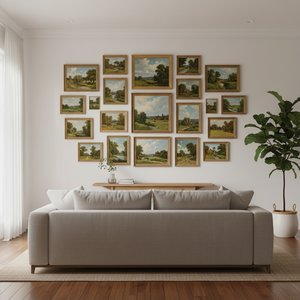
John Constables 25 Mästerverk: En Konstnärlig Resa i Det Engelska Landskapet | AllPaintingsStore
Utforska John Constables 25 mest ikoniska målningar – romantikens mästare av det engelska landskapet. Upptäck historien, tekniken & skönheten i verk som 'Hay Wain'. Köp exklusiva konsttryck på AllPaintingsStore.com.

Evocations of Place: A Historical Journey Through Landscape Art
Explore the rich history of landscape art with AllPaintingsStore. Discover renowned artists, movements like Impressionism & Romanticism, and expert guidance for collecting timeless pieces. Find your perfect serene escape today!

Giclée Prints: Archival Quality & Aesthetic Nuances for the Discerning Collector
Explore the world of giclée prints with AllPaintingsStore. Learn about archival quality, aesthetic nuances & investment potential. Expert guidance for discerning art collectors seeking museum-quality reproductions and lasting value.

Romantiska landskap: Topp 10 mästerverk som definierade en epok – AllPaintingsStore.se
Utforska de 10 mest ikoniska mästerverken inom romantisk landskapsmålning! Lär känna Caspar David Friedrich, Turner & andra. Hitta inspiration och köp museumkvalitativa konsttryck på AllPaintingsStore.com.


