


 Visa i rummet
 Skicka
 Dela
Dela
 Detaljer
 Studentguide för konstverk

 Ladda ner
 Liknande objekt
 Röntgen
 Bildspel
 Besökstatistik
Interior
 Impressionism
 1938
1938 59.0 x 45.0 cm
 National Gallery of Bosnia and Herzegovina
 Läs mer
Konstverket som visas på denna sida skyddas av upphovsrättslagen, vilket innebär att vi inte lagligt kan skapa eller sälja en identisk reproduktion. Detta skydd upprätthålls genom internationella avtal såsom den Bernkonventionen och genom nationella lagar, inklusive de som fastställs av Amerikansk upphovsrättslag – Titel 17. Alla rättigheter förbehållna. Återgivning av konstverk är förbjuden utan skriftligt tillstånd från WahooArt.
Denna metod följer fullt ut upphovsrättsliga regler eftersom den inte innebär kopiering eller duplicering av det skyddade konstverket. Istället är det en kreativ nytolkning – en ny målning som är influerad av originalet men inte identisk med det.
Giclée / Konsttryck
Giclée- eller canvasprint av museumskvalitet med snabb produktion och flexibla ytbehandlingsalternativ. ( Köp handmålat konstverk Byt till digital bildförsäljning)




































Välj bland våra förinställda storlekar som motsvarar konstverkets ursprungliga proportioner.

Ange den bredd och höjd du behöver, för att passa din ram eller din vägg. Ett tryck kan endast beskäras, aldrig göras större än bilden, vilket innebär att ett format med en annan formform leder till att en del av bilden går förlorad. Vi skickar en digital mockup för godkännande innan vi trycker något. Bilden som visas på denna sida visar inte den faktiska beskärningen — det är endast mockuppen som gör det.
Leverans över hela världen () på 2 veckor istället för standard 4/5 veckor. (23 oktober)

Fri expressfrakt över hela världen

Högkvalitativ linnecanvas

Fullständig fraktförsäkring

Garantier för återbetalning av tullavgifter

Garantier för exakt färgåtergivning

100 dagars returrätt vid fabrikationsfel

100% pengarna tillbaka-garanti

Mängdrabatt erbjuds
 Glasalternativet är endast tillgängligt i storlekar under 110 cm.

Interior
Giclée / Konsttryck
Reproduktionsstorlek
-


Totalpris
Skr 635
Liknande konstverk


Om konstnären
A Life Captured in Light and Shadow
Omer Mujadžić stands as a profound figure within the landscape of Bosnian-Croatian Expressionism, a painter whose brush captured the very soul of everyday existence. Born in Gradiska, Bosnia and Herzegovina, his artistic journey began with an early and precocious passion, enrolling in painting studies at the age of fifteen under the guidance of Ljubo Babic's class. This formative period laid the foundation for a career that would eventually bridge the cultural sensibilities of his Balkan roots with the avant-garde currents of Western Europe.
His pursuit of artistic excellence led him to Paris, where he spent a transformative year immersed in the heart of the art world. It was within the hallowed halls of the Louvre that he communed with the old masters, absorbing their timeless techniques and profound depth. Yet, Mujadžić was equally captivated by the modern pulse of his era, drawing significant inspiration from the figurative innovations of Pablo Picasso and the post-cubist manners of André Lhote. This unique synthesis of classical reverence and modern experimentation allowed him to develop a style that felt both grounded in tradition and vibrantly contemporary.
The Essence of Expression and Technique
The work of Mujadžić is a delicate dance between reality and emotion, often characterized by a magic-realistic and neoclassical expression. His technique is marked by the masterful use of light glazes, which imbue his canvases with a distinctive softness and warmth. Through a muted palette and loose, evocative brushwork, he possessed a rare ability to capture not just the visual form, but the underlying mood and atmosphere of his subjects. Whether depicting a dimly lit workshop or a quiet domestic scene, his hand brought a sense of poetic stillness to the canvas.
His thematic repertoire was as diverse as it was intimate, focusing heavily on the rhythms of daily life in Bosnia and Herzegovina. He found profound beauty in the mundane, turning his gaze toward:
- Social and street themes that documented the pulse of urban existence.
- Intimate portraits and figural compositions that explored human connection.
- Still lifes and interiors that breathed life into quiet, domestic spaces.
- Rural landscapes and scenes featuring women and children that celebrated familial bonds.
Legacy and Artistic Contribution
Beyond the canvas, Mujadžić was a vital participant in the cultural fabric of his time. His involvement with the Zemlja group placed him at the center of important artistic dialogues, and his professional life was marked by a dedication to both art and history, having worked as a drawer at the Archaeological Museum. Later in life, he shared his profound knowledge with the next generation, teaching at the Academy of Fine Arts until his retirement.
Today, the historical significance of Omer Mujadžić is preserved through his enduring impact on Bosnian-Croatian art. His ability to weave together the influences of post-cubism and expressionism into a cohesive, emotive language ensures that his depictions of families, landscapes, and everyday life remain as resonant today as they were during his lifetime. His works continue to reside in esteemed institutions, such as the National Gallery of Bosnia and Herzegovina in Sarajevo, serving as a testament to a life dedicated to capturing the ephemeral beauty of the human experience.

Omer Mujadžić
1903 - 1991 , Bosnia and Herzegovina
Snabbfakta
- Artistic Movement Or Style: Expressionism
- Artists Who Influenced This Artist:
- Pablo Picasso
- André Lhote
- Full Name: Omer Mujadžić
- Nationality: Bosnian, Croatian
- Notable Artworks: ['Interior']
- Place Of Birth: Gradiska, Bosnia and Herzegovina
- Date Of Birth: 1903
- Date Of Death: 1991
Relaterade artiklar

The Soul of Impressionism: Why Oil on Canvas Captures Eternal Light and Timeless Emotion
Discover the enchanting alchemy of Impressionism. Explore how the mastery of oil on canvas, through glazing and impasto, captures eternal light and emotion. Perfect for lovers of Monet and Van Gogh seeking the profound depth of hand-painted fine art.

Bortom Flyktiga Trender: Att Kultivera Bestående Inredningsestetik Genom Renässansens Återklang, Impressionistiskt Ljus och Popkonstens Vibrans
Skapa ett bestående intryck med tidlös inredning! Upptäck renässansens harmoni, impressionismens ljus & popkonstens djärvhet. Expertkonsultation & handmålade reproduktioner på AllPaintingsStore.

The Enduring Legacy of Oil on Canvas: Technique, History & Aesthetic Impact
Explore the rich history & techniques of oil painting – from Renaissance masters to Impressionism. Discover pigments, layering methods, and why this timeless medium endures. Expert insights for artists & art enthusiasts.
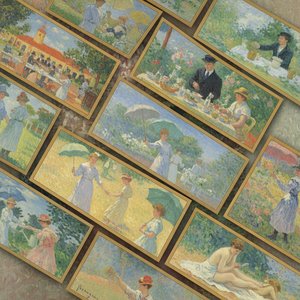
Renoirs Mästverk: Topp 25 Konstverk för Hemmet & Själens Frid
Utforska Renoirs 25 mest älskade konstverk! Fördjupa dig i impressionismens värld, från balettscener till romantiska porträtt. Hitta inspiration & museumkvalitativa reproduktioner på AllPaintingsStore.com.

Capturing Light & Emotion: A Guide to Impressionistic Portraiture for Your Home
Discover how Impressionistic portraiture can elevate your home. Learn to use light, color, and texture to create an emotive interior with expert guidance on selecting and customizing museum-quality oil reproductions that transform modern spaces into timeless sanctuaries.

