


 Förhandsvisa
 Skicka
 Dela
Dela
 Visa detaljer
 Guide
Guide

 Ladda ner
 Liknande objekt
 Röntgen
 Bildspel
 Q&A
Q&A Statistik
Serpent
 Blyertspenna
- Väggkonst
- Expressionist Abstraction
 1926
1926- Modernismen
 24.0 x 31.0 cm
 Museum of Fine Arts
 Visa mer
Giclée / Konsttryck
Giclée- eller canvasprint av museumskvalitet med snabb produktion och flexibla ytbehandlingsalternativ. ( Beställ handmålad reproduktion Byt till digital bild)




P118B Skr10

P118H Skr10

P118W Skr10

P438Z Skr10

P508JH Skr12

P508YH Skr12

P805H Skr10

P805Z Skr10

P919BZ Skr10

P919G Skr10

P919XJ Skr10

P959ZH Skr10

P968JZ Skr12

W106C Skr8

W218G Skr10

W218JH Skr8

W218Y Skr10

W307PJ Skr10

W316G Skr10

W316PJ Skr8

W316Y Skr10

W398PJ Skr8

W4111J Skr10

W500HY Skr15

W500JH Skr15

W692G Skr12

W849H Skr8

W940BG Skr15

W953PJ Skr8




Välj bland våra förinställda storlekar som motsvarar konstverkets ursprungliga proportioner.

Ange den bredd och höjd du behöver för att passa din ram eller vägg. Ett tryck kan endast beskäras, aldrig göras större än originalbilden, vilket innebär att ett format med en annan proportion leder till att en del av bilden går förlorad. Vi skickar en digital mockup för godkännande innan vi påbörjar tryckningen. Bilden som visas på denna sida visar inte den faktiska beskärningen — det är endast mockuppen som gör det.
Leverans över hela världen () på 2 veckor istället för standard 4/5 veckor. (30 oktober)

Fri expressfrakt över hela världen

Högkvalitativ linnecanvas

Fullständig fraktförsäkring

Garantier för återbetalning av tullavgifter

Garantier för exakt färgåtergivning

100 dagars returrätt (endast vid fel)

100% pengarna tillbaka-garanti

Mängdrabatt erbjuds
 Glasalternativet är endast tillgängligt i storlekar under 110 cm.

Serpent
Giclée / Konsttryck
Storlek på reproduktion
-


Slutgiltigt pris
Skr 643
A Dance of Shadow and Instinct
In the quiet, monochromatic realm of Paul Klee’s 1926 masterpiece, Serpent (also known as Schlangenbeute), a primal drama unfolds with breathtaking subtlety. This graphite drawing is far more than a mere sketch of nature; it is a profound exploration of tension and the delicate balance between predator and prey. As the eye first meets the composition, one is immediately struck by the dramatic asymmetry that defines Klee’s vision. A sinuous, powerful serpent dominates the left side of the frame, its body curving with an almost musical rhythm that guides the viewer deeper into the shadows. On the lower right, a small, vulnerable rodent sits in stark contrast, appearing fragile and isolated against the encroaching darkness. This deliberate arrangement creates an immediate sense of visual weight and psychological suspense, inviting anyone who views it to hold their breath alongside the tiny creature.
The technical mastery displayed in this work lies in Klee’s ability to breathe life into simple pencil strokes. Through a sophisticated application of hatching and cross-hatching, the artist builds a rich tapestry of textures that defy the limitations of a grayscale palette. The serpent’s scales are rendered with a rhythmic complexity, where layers of graphite create depth, roughness, and a sense of muscular movement. These lines do not merely outline a shape; they vibrate with an expressive energy characteristic of Klee’s unique style—a blend of abstraction and expressionism that feels both primitive and highly intellectual. The interplay of light and shadow is masterful, as if a single, unseen light source from above is casting the serpent into sharp relief while allowing the edges of the composition to dissolve into mystery.
Symbolism and the Soul of Abstraction
Beyond its physical form, Serpent serves as a vessel for profound symbolic resonance. For Klee, the serpent was a recurring motif capable of embodying the dualities of existence: wisdom and temptation, transformation and destruction. The coiled posture of the predator suggests a latent power, a moment of stillness before the strike that mirrors the precariousness of life itself. In this way, the artwork transcends its subject matter to become a meditation on the eternal struggle between opposing forces. The rodent, representing innocence and the ephemeral nature of life, provides the emotional anchor for the piece, evoking a deep sense of empathy in the observer. This tension between the imposing and the fragile makes the work an incredibly evocative piece for contemplation.
For the discerning collector or interior designer, this reproduction offers a sophisticated touch of intellectual depth to any curated space. Its monochromatic elegance allows it to integrate seamlessly into modern, minimalist, or classical environments, acting as a focal point that stimulates conversation and thought. Whether placed in a quiet study, a contemporary gallery-style living room, or a professional design studio, the piece brings with it the storied legacy of one of the 20th century's most influential visionaries. Owning a high-quality reproduction of this Klee treasure is not merely about decorating a wall; it is about inviting a timeless, rhythmic energy into one’s surroundings—a piece that captures the very essence of movement, shadow, and the beautiful, terrifying dance of instinct.
Frågor och svar
Vilken känsla förmedlar färgerna i "Serpent" av Paul Klee?
I "Serpent" ackompanjeras en Reflekterande känsla av Monokromt färger.
Varifrån kommer besökarna till "Serpent" av Paul Klee?
Sidan Besöksstatistik för "Serpent" av Paul Klee presenterar statistik över publika besök: månatliga besök för detta konstverk, en jämförelse med konstnärens mest sedda verk samt varifrån besökarna kommer.
Vilken fas i Paul Klees karriär tillhör "Serpent" (1926)?
Årtalet 1926 placerar "Serpent" i Mature Period av Paul Klees konstnärliga utveckling.
Liknande konstverk


Konstnärsbiografi
Ett liv fördjupat i färg och form
Paul Klee, ett namn som omedelbart framkallar bilder av lekfull abstraktion och djup emotionell resonans, intar en särdeles plats inom 1900-talets konsthistoria. Född den 18 december 1879 i Münchenbuchsee, Schweiz, var hans konstnärliga resa en ständig utforskning som trotsade enkla kategoriseringar och banade väg för ett unikt visuellt språk influerat av expressionism, kubism och surrealism. Klees uppväxt präglades av en tidig uppskattning för konsten; hans far, en tysk musiklärare, och hans mor, en schweizisk sångerska, ingjöt i honom en känslighet för både auditiv och visuell harmoni. Denna grundläggande koppling mellan musik och måleri skulle bli ett definierande drag i hans oeuvre, forma inte bara hans kompositionella tillvägagångssätt utan också hans teoretiska förståelse av konsten som en form av abstrakt uttryck analog med musikalisk arrangemang. Inledningsvis dragen till ritning övergav Klee snart strävan efter realistisk representation, insåg dess begränsningar i att förmedla den inre världen av känslor och idéer han sökte uttrycka. Han antogs vid Akademien för Bildkonst i München mellan 1898 och 1901, en period präglad av experiment och utvecklingen av hans unika konstnärliga röst.Konstens vision tar form
Klees tidiga verk avslöjar inflytandet från jugendstil och symbolism, men även inom dessa ramar började antydningar om hans framtida stil dyka upp. Ett avgörande ögonblick i hans konstnärliga utveckling var en resa till Tunisien 1914. Det intensiva ljuset och den livfulla atmosfären i Nordafrika påverkade djupt hans användning av färg, vilket inspirerade honom att gå bortom dämpade toner mot djärvare, mer uttrycksfulla paletter. Denna upplevelse markerade en vändpunkt, som befäste hans engagemang för abstraktion som ett medel för att fånga essensen av perception snarare än bara replikera dess yta. Han *såg* inte bara Tunisien; han översatte dess emotionella resonans till visuell form. Under denna period engagerade sig Klee i olika konstnärliga rörelser, absorberade deras principer samtidigt som han motstod fullständig efterlevnad av någon enskild ideologi. Hans intresse för musik förblev av största vikt, och han talade ofta om måleri som en process analog med att komponera musikstycken – ett noggrant arrangemang av element för att skapa en harmonisk helhet. Detta synestetiska tillvägagångssätt är tydligt i den rytmiska kvaliteten på hans linjer, balansen mellan färger och den övergripande känslan av rörelse som genomsyrar många av hans verk.Bauhaus och bortom: En period av blomstring
Från 1931 till 1933 accepterade Klee en lärartjänst vid den inflytelserika Bauhaus-skolan för konst, design och arkitektur, tillsammans med Wassily Kandinsky. Denna period visade sig vara anmärkningsvärt fruktbar för hans konstnärliga utveckling. Omgiven av innovativa tänkare och kollegor blomstrade han i en miljö som uppmuntrade experiment och teoretisk undersökning. Hans arbete under dessa år fördjupades i färgteori och formella relationer, utforskande samspelet mellan abstrakta former och emotionellt uttryck. Denna kreativa fristad krossades dock med nazismens framväxt i Tyskland. År 1933 avskedades Klee från Bauhaus på grund av att hans konst ansågs vara "degenererad" av den nazistiska regimen – ett skrämmande bevis på farorna med politisk ideologi som undertrycker konstnärlig frihet. Tvingad att återvända till Schweiz fortsatte han att måla, men hans hälsa försämrades under skuggan av ökande politisk oro och personliga svårigheter. Trots dessa utmaningar förblev Klee engagerad i sin konstnärliga vision och producerade verk som återspeglade både tidens ångest och hans bestående tro på konsten förmåga att transcendera motgångar.Teman, stil och varaktigt arv
Paul Klees arbete kännetecknas av en fängslande blandning av lekfullhet och djup kontemplation. Han använde ofta barnsliga bilder och nyckfulla kompositioner och gav dem lager av symbolisk mening. Återkommande teman i hans konst inkluderar trädgårdar, landskap, porträtt och abstrakta arrangemang – var och en som fungerar som ett verktyg för att utforska komplexiteten i den mänskliga upplevelsen. Hans "Paul Klee Notebooks", publicerade postumt, ger ovärderlig insikt i hans omfattande teoretiska undersökningar av färg och design, vilket avslöjar en noggrann och intellektuell inställning till konstnärligt skapande. Han målade inte bara; han konstruerade ett visuellt språk baserat på principer om harmoni, balans och emotionell resonans. Hamamet, Siblings, och En la corriente seis umbrales är bara några exempel som visar hans behärskning av färg och form. Paul Klee dog den 29 juni 1940 i Muralto, Schweiz, och lämnade efter sig ett arv som fortsätter att inspirera konstnärer och fängsla publik över hela världen. Han betraktas med rätta som en av de viktigaste figurerna inom 1900-talets konst, som överbryggar klyftan mellan figurativt och abstrakt uttryck och befäster sin plats som en ikonisk innovatör vars verk förblir evigt relevant.Museer & Vidare utforskning
- Zentrum Paul Klee (Bern): Hem till världens största samling av Klees verk, som erbjuder en omfattande översikt över hans konstnärliga resa.
- Museum of Fine Arts Bern: Innehåller betydande verk av Klee tillsammans med mästerverk av Picasso och Hodler.
- Kunstmuseum Bern: Schweiz äldsta konstmuseum, som visar en mångsidig samling inklusive verk av Klee och andra moderna mästare.
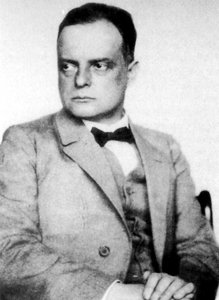
Paul Klee
1879 - 1940 , Schweiz
Kortfakta
- Artistic Movement Or Style: Expressionism, Kubism, Surrealism
- Artists Or Movements Influenced By This Artist: ['Modern konst']
- Artists Who Influenced This Artist: ['Wassily Kandinsky']
- Date Of Birth: 18 december 1879
- Date Of Death: 29 juni 1940
- Full Name: Paul Klee
- Nationality: Schweizisk-tysk
- Notable Artworks:
- Hamamet
- Siblings
- En la corriente
- Place Of Birth (City And Country): Münchenbuchsee, Schweiz
Relaterade artiklar

The Subdued Resonance: Exploring Emotional Depth & Artistic Nuance within Muted Color Palettes
Explore the captivating world of muted colors in art & design! Discover historical context, psychological effects, techniques, and inspiration for creating serene spaces. Elevate your aesthetic with AllPaintingsStore.

Claude Monet: Topp 25 mästerverk – Impressionismens ljus i ditt hem
Utforska Claude Monets 25 mest ikoniska målningar – från vattenliljor till soluppgång. Lär känna impressionismens mästare och hitta inspiration för ditt hem med konsttryck av högsta kvalitet på AllPaintingsStore.com.

The Subdued Palette: Exploring Emotional Resonance & Aesthetic Impact in Muted Artworks
Explore the power of muted colors in art! Discover the history, psychology & techniques behind serene palettes. Find inspiration & expert advice for creating emotionally resonant spaces with AllPaintingsStore.

The Nuances of Gray: Exploring Emotional Depth & Artistic Innovation in Grayscale Works
Explore the captivating world of grayscale art! Discover iconic paintings, master techniques like chiaroscuro, & the psychology of tone. Find museum-quality reproductions to elevate your home décor at AllPaintingsStore.

Topp 10 berömda målningar i sandfärger – Konst & Inredning med AllPaintingsStore
Upptäck de 10 mest berömda målningarna i vackra sandtoner! Monet, Renoir & Van Gogh – lär känna historien bakom ikoniska konstverk. Hitta inspiration till din inredning och köp museumkvalitativa tryck på AllPaintingsStore.com.


