


 Förhandsvisa
 Skicka
 Dela
Dela
 Visa detaljer
 Guide
Guide

 Ladda ner
 Liknande objekt
 Röntgen
 Bildspel
 Statistik
St Michael and the Satan


 Visa mer
Handgjord oljereproduktion
Handmålad olja på duk i din valda storlek och ram, tillverkad efter beställning av våra konstnärer. ( Byt till tryck Byt till digital bild)




P118B Skr10

P118H Skr10

P118W Skr10

P438Z Skr10

P508JH Skr12

P508YH Skr12

P805H Skr10

P805Z Skr10

P919BZ Skr10

P919G Skr10

P919XJ Skr10

P959ZH Skr10

P968JZ Skr12

W106C Skr8

W218G Skr10

W218JH Skr8

W218Y Skr10

W307PJ Skr10

W316G Skr10

W316PJ Skr8

W316Y Skr10

W398PJ Skr8

W4111J Skr10

W500HY Skr15

W500JH Skr15

W692G Skr12

W849H Skr8

W940BG Skr15

W953PJ Skr8




Välj bland våra förinställda storlekar som motsvarar konstverkets ursprungliga proportioner.

Ange den bredd och höjd du behöver för att passa din ram eller din vägg. Eftersom detta är handmålat kan konstnären, vid ett annat format, måla lite mer runt bilden eller beskära den något – det är du som väljer. Vi skickar en digital mockup för godkännande innan målningen påbörjas. Bilden som visas på denna sida representerar inte det slutgiltiga resultatet — det är endast mockuppen som visar det.
Efter beställning kommer AllPaintingsStore.com team att mejla kunden för instruktioner och tillhandahålla en skissförhandsvisning
Leverans över hela världen () på 3–4 veckor istället för standard 5 veckor. (27 oktober). Inga kompromisser med kvaliteten.

Fri expressfrakt över hela världen

Högkvalitativ linnecanvas

Fullständig fraktförsäkring

Garantier för återbetalning av tullavgifter

Garantier för exakt färgåtergivning

100 dagars returrätt (endast vid fel)

100% pengarna tillbaka-garanti

Mängdrabatt erbjuds
 Glasalternativet är endast tillgängligt i storlekar under 110 cm.

St Michael and the Satan
Reproduktionsmetod
Storlek på reproduktion
-


Slutgiltigt pris
Skr 2810
A Celestial Triumph: The Divine Drama of Raphael’s St. Michael
In the hallowed halls of the Louvre, there exists a masterpiece that captures the very essence of cosmic conflict. Raphael’s St. Michael and the Satan is not merely a painting; it is a breathtaking theater of the soul, where the boundaries between heaven and earth dissolve into a singular moment of divine justice. As the eye meets the canvas, one is immediately struck by the profound tension held within the composition. The archangel Michael, a figure of celestial grace and unyielding strength, stands poised above his fallen adversary. This is the definitive depiction of the archetypal battle between good and evil, a visual symphony where the triumph of faith over temptation is rendered with such visceral intensity that the viewer becomes a witness to the eternal struggle for righteousness.
The artistry on display exemplifies the pinnacle of the High Renaissance, yet it whispers of the dramatic, muscular energy that would soon define the Mannerist movement. Raphael, a master of harmony, utilizes a pyramidal composition to anchor the chaos, directing the viewer's gaze upward toward the triumphant archangel. The anatomy of the figures is rendered with a sculptural precision reminiscent of Michelangelo, yet Raphael infuses the scene with a unique, fluid elegance. Every muscle in Michael’s form and every twisted limb of the defeated Satan contributes to a sense of movement captured at a standstill—a breathless pause in the midst of an epic upheaval.
Luminous Technique and the Alchemy of Color
To behold this work is to experience the transformative power of light and pigment. Executed with exceptional technical mastery, the painting utilizes oil glazes to achieve a luminous depth that seems to glow from within. Raphael’s palette in this period was particularly daring; he moves away from his more tranquil tones to embrace a rich, dramatic spectrum of warm golds, deep reds, and earthy browns. These colors do more than just decorate the scene—they breathe life into it. The metallic sheen of the light reflecting off celestial armor and the dark, brooding shadows cast over the demonic form create a chiaroscuro effect that heightens the emotional stakes of the encounter.
The texture of the work invites close contemplation, as visible brushwork adds a layer of vitality to the landscape and the figures alike. There is an alchemy at play here, where the blending of pigments creates a sense of atmosphere so thick one can almost feel the stormy sky pressing down upon the rocky terrain. For the collector or the interior designer, such a piece offers more than just visual interest; it provides a focal point of immense gravity and sophistication. A high-quality reproduction of this masterpiece brings with it a sense of historical weight and an unparalleled ability to command the atmosphere of any curated space.
Symbolism and the Eternal Legacy
Beyond its aesthetic splendor, St. Michael and the Satan serves as a profound theological allegory. Commissioned during the height of papal influence, likely for Pope Leo X, the painting functions as a symbol of divine authority and the inevitable victory of the light. Every element is heavy with meaning: the spear held by the archangel represents the piercing truth of faith, while the subjugated Satan embodies the chaos of sin. The composition serves as a reminder that even in the darkest moments of human experience, there is an underlying order and a divine protection that remains unshakable.
For those seeking to adorn their homes or galleries with art that inspires reflection and awe, this work stands as a testament to the enduring power of the Renaissance spirit. It is a piece that speaks to the resilience of the human spirit and the eternal hope for triumph over adversity. Whether viewed as a historical relic of the Vatican’s golden age or as a breathtaking display of technical virtuosity, Raphael’s vision continues to captivate, offering a window into a realm where beauty and divinity are inextricably linked.
Frågor och svar
Var kan jag se en förhandsvisning av "St Michael and the Satan"?
För att förhandsgranska en reproduktion av "St Michael and the Satan" av Rafael, öppna konstverkets sida för Förhandsvisning.
Vilken teknik och vilket årtal gäller för "St Michael and the Satan" av Rafael?
"St Michael and the Satan" skapades år 1518 i Oil On Canvas.
Vilket medium är "St Michael and the Satan" av Rafael utförd i?
"St Michael and the Satan" är utförd i Oil On Canvas.
Liknande konstverk


Konstnärsbiografi
Raffael: En renässansmästares liv och verk
Raffaello Sanzio da Urbino, mer känd som Raffael, föddes 1483 i den lilla men kulturellt blomstrande staden Urbino. Hans tidiga år präglades av en atmosfär där konstnärlig skicklighet och humanistiskt lärande högt värderades. Fadern, Giovanni Santi, var inte bara en målare utan också en beläst man som aktivt sökte nya idéer från hela Italien. Denna uppväxt i ett hovmiljö, präglad av förfining och intellektuell diskurs, formade den unge Raffael på djupet. Faderns bortgång vid elva års ålder innebar ett stort ansvar, men också en möjlighet att utveckla sina färdigheter i familjeverkstaden under lokala konstnärers ledning. Redan i dessa tidiga verk anades en mild elegans och noggrann detaljrikedom – kännetecken för hans mogna stil.
Från Umbrien till Florens: Att absorbera nya influenser
Raffaels konstnärliga resa var en ständig utveckling, präglad av intensiva studier och anpassning. Hans initiala utbildning under Pietro Perugino i Perugia lade en solid grund i den umbriska stilen – kännetecknad av mjuka former, harmoniska kompositioner och fridfulla religiösa scener. Raffael hade dock en omättlig nyfikenhet som drev honom att söka nya utmaningar och vidga sina konstnärliga horisonter. År 1504 begav han sig till Florens, en stad som vibrerade av konstnärlig innovation. Här mötte han mästerverken av Leonardo da Vinci och Michelangelo, artister som tänjde gränserna för måleriet på ett sätt ingen tidigare gjort. Han studerade deras tekniker noggrant – Leonardos sfumato, hans subtila ljus- och skuggspel, och Michelangelos kraftfulla anatomiska precision och dramatiska kompositioner. Den florentinska perioden blev en smältdegel för Raffael, som tvingades konfrontera nya konstnärliga möjligheter och syntetisera dem till sin egen unika vision. Influensen syns tydligt i den ökade dynamiken och psykologiska djupet i hans verk från denna tid, särskilt i hans serie av madonnamålningar.
Den romerska triumfen: Beställningar och mästerverk
År 1508 mottog Raffael en kallelse som skulle förändra hans karriär – en inbjudan från påven Julius II att komma till Rom. Detta markerade början på hans mest produktiva och hyllade period. Den eviga staden erbjöd honom en oöverträffad möjlighet att visa sin talang i stor skala, genom att pryda de påvliga lägenheterna i Vatikanen med hisnande fresker. Skolan i Aten, kanske hans mest berömda verk, står som ett bevis på hans mästerliga komposition, perspektiv och filosofiska allegori. Inom detta majestätiska rum samlade Raffael figurer från den klassiska antiken – Platon, Aristoteles, Pythagoras, Euklid – och skapade en levande tableau som hyllade det mänskliga förnuftet och strävan efter kunskap. Han fortsatte att arbeta för påföljande påvar, bland annat Leo X, och åtog sig monumentala projekt som dekorationen av Stanze della Segnatura och Stanza d'Eliodoro. Hans fresker i dessa rum är inte bara dekorativa; de är djupa uttalanden om påvlig makt, religiös tro och renässansens ideal.
En syntes av grace och storhet: Raffaels konstnärliga stil
Raffaels konstnärliga stil beskrivs ofta som en harmonisk blandning av grace, klarhet och idealiserad skönhet. Han hade en extraordinär förmåga att syntetisera olika influenser – den umbriska traditionen, florentinska innovationer, klassisk antiken – till ett unikt balanserat estetiskt uttryck. Hans kompositioner är minutiöst planerade, präglade av en känsla av ordning och proportion som återspeglar hans djupa förståelse för renässansens principer. Hans figurer utstrålar en seren värdighet och emotionell expressivitet, vilket förkroppsligar den humanistiska idealen om mänsklig perfektion. Han var också en mästerlig kolorist, som använde rika, lysande nyanser för att skapa verk som är både visuellt fängslande och intellektuellt stimulerande. Till skillnad från Michelangelos ofta dramatiska och turbulenta stil utstrålar Raffaels arbete en känsla av lugn och harmoni – en kvalitet som har gjort honom älskad av publiken i århundraden.
Arvet och det bestående inflytandet
Raffaels tidiga död 1520, vid endast trettiosju års ålder, avbröt en karriär som var full av potential. Ändå består hans arv som en av de mest betydelsefulla figurerna i västerns konsthistoria. Hans verk blev en hörnsten i den högrenässansens estetik och fungerade som en modell för generationer av artister. Medan Michelangelos inflytande senare skulle dominera den konstnärliga diskursen, upplevde Raffaels betoning på klarhet, harmoni och idealiserad skönhet en renässans under nyklassicismen, hyllad av kritiker som Johann Joachim Winckelmann. Idag fortsätter hans målningar att inspirera vördnad och beundran, och fängslar tittarna med sin tekniska briljans, emotionella djup och bestående dragningskraft. Hans inflytande kan ses i otaliga konstverk som följde, vilket befäster hans plats som en sann mästare av renässansen – en målare som fångade inte bara sina motivs fysiska likhet utan också essensen av mänsklig grace och värdighet.

Rafael
1483 - 1520 , Italien
Kortfakta
- Artistic Movement Or Style: Högrenässans
- Artists Or Movements Influenced By This Artist: ['Neoklassicism']
- Artists Who Influenced This Artist:
- Leonardo da Vinci
- Michelangelo
- Date Of Birth: 1483
- Date Of Death: 1520
- Full Name: Raffaello Sanzio da Urbino
- Nationality: Italiensk
- Notable Artworks:
- Skolmästarnas skola
- Sixtinska madonnan
- Place Of Birth (City And Country): Urbino, Italien
Relaterade artiklar
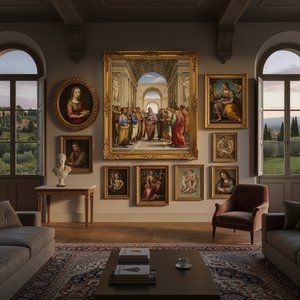
Raphaels 25 Mästerverk: Konsthistoriens Höjdpunkter för Ditt Hem
Utforska Raphaels 25 mest ikoniska mästerverk – en resa genom renässanskonstens guldålder. Lär känna historien, tekniken och skönheten bakom varje tavla. Hitta konsttryck & inspiration för ditt hem på AllPaintingsStore.com.

The Dramatic Flourish: Exploring Themes of Power, Faith & Emotion in Baroque Artworks
Explore the dramatic world of Baroque art! Discover masters like Zurbarán & the powerful influence of religious zeal on painting techniques. Expert insights for collectors and enthusiasts.

Barockens Mästerverk: Topp 10 konstverk som definierade en epok – AllPaintingsStore.se
Upptäck barockens 10 största mästerverk! Caravaggio, Rembrandt, Bernini och fler. Lär känna historien bakom ikoniska målningar & skulpturer. Köp reproduktioner av hög kvalitet på AllPaintingsStore.com – för en lyxig heminredning.

The Visceral Stage: Exploring Dramatic Narratives & Emotional Intensity in Baroque Art
Explore the dramatic world of Baroque art! Discover iconic masters like Caravaggio & Rembrandt, their techniques, and the movement's lasting impact. Expert insights for collectors & enthusiasts at AllPaintingsStore.

The Dramatic Flourish: Exploring the Baroque Movement's Enduring Legacy in Art History
Explore the dramatic world of Baroque art! Discover iconic artists like Caravaggio & Rubens, defining techniques, and its lasting impact on art history. Expert insights for collectors & enthusiasts at AllPaintingsStore.


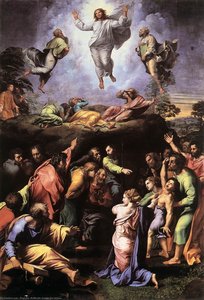


![Stanze Vaticane - Utdrivningen av Heliodorus från templet (detalj) [02]](/media/artworks/images-thumb/3a/23/3a2308b63b60b5cb105575e135028d92.jpg)

