


 Visa i rummet
 Skicka
 Dela
Dela
 Detaljer
 Studentguide för konstverk

 Ladda ner
 Liknande objekt
 Röntgen
 Bildspel
 Besökstatistik
The Serpent ^ The Cross


 Läs mer
Giclée / Konsttryck
Giclée- eller canvasprint av museumskvalitet med snabb produktion och flexibla ytbehandlingsalternativ. ( Köp handmålat konstverk Byt till digital bildförsäljning)




P118B Skr10

P118H Skr10

P118W Skr10

P438Z Skr10

P508JH Skr12

P508YH Skr12

P805H Skr10

P805Z Skr10

P919BZ Skr10

P919G Skr10

P919XJ Skr10

P959ZH Skr10

P968JZ Skr12

W106C Skr8

W218G Skr10

W218JH Skr8

W218Y Skr10

W307PJ Skr10

W316G Skr10

W316PJ Skr8

W316Y Skr10

W398PJ Skr8

W4111J Skr10

W500HY Skr15

W500JH Skr15

W692G Skr12

W849H Skr8

W940BG Skr15

W953PJ Skr8




Välj bland våra förinställda storlekar som motsvarar konstverkets ursprungliga proportioner.

Ange den bredd och höjd du behöver, för att passa din ram eller din vägg. Ett tryck kan endast beskäras, aldrig göras större än bilden, vilket innebär att ett format med en annan formform leder till att en del av bilden går förlorad. Vi skickar en digital mockup för godkännande innan vi trycker något. Bilden som visas på denna sida visar inte den faktiska beskärningen — det är endast mockuppen som gör det.
Leverans över hela världen () på 2 veckor istället för standard 4/5 veckor. (23 oktober)

Fri expressfrakt över hela världen

Högkvalitativ linnecanvas

Fullständig fraktförsäkring

Garantier för återbetalning av tullavgifter

Garantier för exakt färgåtergivning

100 dagars returrätt vid fabrikationsfel

100% pengarna tillbaka-garanti

Mängdrabatt erbjuds
 Glasalternativet är endast tillgängligt i storlekar under 110 cm.

The Serpent ^ The Cross
Giclée / Konsttryck
Reproduktionsstorlek
-


Totalpris
Skr 634
A Triumph of Faith Amidst the Shadows
In the grand tapestry of the High Renaissance, few images capture the visceral struggle between light and darkness as poignantly as Raphael’s “The Serpent ^ The Cross.” Painted in 1518, this evocative masterpiece serves as a profound allegory of spiritual victory. At first glance, the viewer is met with a scene of intense drama: a courageous woman stands atop a colossal, undulating serpent, her figure a beacon of resilience against the encroaching gloom. This is not merely a depiction of a battle, but a sophisticated theological statement on the triumph of divine grace over earthly temptation. The serpent, with its scales shimmering in iridescent, almost hypnotic hues, represents the insidious nature of sin and the weight of worldly desire, while the woman’s steady posture embodies the indomitable strength of the human soul when anchored by faith.
The emotional resonance of the piece is deepened by Raphael’s masterful command of chiaroscuro. By orchestrating a dramatic interplay between deep, velvety shadows and piercing highlights, the artist breathes life into the composition, creating a sense of three-dimensional movement that pulls the observer into the fray. The way light catches the golden leaf of the cross she holds aloft creates a celestial focal point, a luminous symbol of redemption that pierces through the surrounding darkness. For the discerning collector or interior designer, this painting offers more than just visual beauty; it provides a profound narrative anchor for a space, inviting contemplation on themes of perseverance and the eternal search for transcendence.
Renaissance Mastery and Symbolic Depth
Technically, “The Serpent ^ The Cross” showcases the pinnacle of Raphael’s skill during his mature period. Utilizing oil on canvas, he achieved a level of textural detail that is nothing short of breathtaking. One can almost feel the cold, slick surface of the dragon's scales and the soft, heavy drape of the woman’s garments. While her attire is rendered in more muted, earthy tones—suggesting a grounded, human vulnerability—the deliberate use of gold leaf on the cross elevates the object from a mere tool to a divine instrument. This contrast between the terrestrial and the celestial is a hallmark of the Renaissance humanist tradition, reflecting the era's fascination with reconciling physical reality with spiritual truth.
The historical context of the work further enriches its meaning. Created during the reign of Federico Montefeltro in Urbino, a city that pulsed with intellectual and artistic innovation, the painting reflects the intense religious fervor and moral inquiry of the early 16th century. As Europe stood on the precipice of profound religious shifts, Raphael’s work captured a moment of absolute conviction. To possess a reproduction of this work is to bring a piece of history into the modern home—a piece that speaks of the enduring human yearning to overcome limitations and embrace a higher truth. It is an ideal selection for those seeking to infuse their environment with a sense of nobility, strength, and timeless grace.
Frågor och svar
Vilken färg sticker ut mest i "The Serpent ^ The Cross"?
Den dominerande färgen i "The Serpent ^ The Cross" av Rafael är Driftwood (#bb7e4e).
Vilket rum föreslås för visning av "The Serpent ^ The Cross", med tanke på dess färgpalett?
Med sin Earthy-palett rekommenderas "The Serpent ^ The Cross" av Rafael för ett Living Room. Färgerna är en del av anledningen till detta förslag.
Vad handlar "The Serpent ^ The Cross" om, och vilken atmosfär förmedlar den?
"The Serpent ^ The Cross" visar dragon, serpent, warrior, faith, cross, battle, allegory och dess förmedlade stämning är Dramatic.
Liknande konstverk


Om konstnären
Raffael: En renässansmästares liv och verk
Raffaello Sanzio da Urbino, mer känd som Raffael, föddes 1483 i den lilla men kulturellt blomstrande staden Urbino. Hans tidiga år präglades av en atmosfär där konstnärlig skicklighet och humanistiskt lärande högt värderades. Fadern, Giovanni Santi, var inte bara en målare utan också en beläst man som aktivt sökte nya idéer från hela Italien. Denna uppväxt i ett hovmiljö, präglad av förfining och intellektuell diskurs, formade den unge Raffael på djupet. Faderns bortgång vid elva års ålder innebar ett stort ansvar, men också en möjlighet att utveckla sina färdigheter i familjeverkstaden under lokala konstnärers ledning. Redan i dessa tidiga verk anades en mild elegans och noggrann detaljrikedom – kännetecken för hans mogna stil.
Från Umbrien till Florens: Att absorbera nya influenser
Raffaels konstnärliga resa var en ständig utveckling, präglad av intensiva studier och anpassning. Hans initiala utbildning under Pietro Perugino i Perugia lade en solid grund i den umbriska stilen – kännetecknad av mjuka former, harmoniska kompositioner och fridfulla religiösa scener. Raffael hade dock en omättlig nyfikenhet som drev honom att söka nya utmaningar och vidga sina konstnärliga horisonter. År 1504 begav han sig till Florens, en stad som vibrerade av konstnärlig innovation. Här mötte han mästerverken av Leonardo da Vinci och Michelangelo, artister som tänjde gränserna för måleriet på ett sätt ingen tidigare gjort. Han studerade deras tekniker noggrant – Leonardos sfumato, hans subtila ljus- och skuggspel, och Michelangelos kraftfulla anatomiska precision och dramatiska kompositioner. Den florentinska perioden blev en smältdegel för Raffael, som tvingades konfrontera nya konstnärliga möjligheter och syntetisera dem till sin egen unika vision. Influensen syns tydligt i den ökade dynamiken och psykologiska djupet i hans verk från denna tid, särskilt i hans serie av madonnamålningar.
Den romerska triumfen: Beställningar och mästerverk
År 1508 mottog Raffael en kallelse som skulle förändra hans karriär – en inbjudan från påven Julius II att komma till Rom. Detta markerade början på hans mest produktiva och hyllade period. Den eviga staden erbjöd honom en oöverträffad möjlighet att visa sin talang i stor skala, genom att pryda de påvliga lägenheterna i Vatikanen med hisnande fresker. Skolan i Aten, kanske hans mest berömda verk, står som ett bevis på hans mästerliga komposition, perspektiv och filosofiska allegori. Inom detta majestätiska rum samlade Raffael figurer från den klassiska antiken – Platon, Aristoteles, Pythagoras, Euklid – och skapade en levande tableau som hyllade det mänskliga förnuftet och strävan efter kunskap. Han fortsatte att arbeta för påföljande påvar, bland annat Leo X, och åtog sig monumentala projekt som dekorationen av Stanze della Segnatura och Stanza d'Eliodoro. Hans fresker i dessa rum är inte bara dekorativa; de är djupa uttalanden om påvlig makt, religiös tro och renässansens ideal.
En syntes av grace och storhet: Raffaels konstnärliga stil
Raffaels konstnärliga stil beskrivs ofta som en harmonisk blandning av grace, klarhet och idealiserad skönhet. Han hade en extraordinär förmåga att syntetisera olika influenser – den umbriska traditionen, florentinska innovationer, klassisk antiken – till ett unikt balanserat estetiskt uttryck. Hans kompositioner är minutiöst planerade, präglade av en känsla av ordning och proportion som återspeglar hans djupa förståelse för renässansens principer. Hans figurer utstrålar en seren värdighet och emotionell expressivitet, vilket förkroppsligar den humanistiska idealen om mänsklig perfektion. Han var också en mästerlig kolorist, som använde rika, lysande nyanser för att skapa verk som är både visuellt fängslande och intellektuellt stimulerande. Till skillnad från Michelangelos ofta dramatiska och turbulenta stil utstrålar Raffaels arbete en känsla av lugn och harmoni – en kvalitet som har gjort honom älskad av publiken i århundraden.
Arvet och det bestående inflytandet
Raffaels tidiga död 1520, vid endast trettiosju års ålder, avbröt en karriär som var full av potential. Ändå består hans arv som en av de mest betydelsefulla figurerna i västerns konsthistoria. Hans verk blev en hörnsten i den högrenässansens estetik och fungerade som en modell för generationer av artister. Medan Michelangelos inflytande senare skulle dominera den konstnärliga diskursen, upplevde Raffaels betoning på klarhet, harmoni och idealiserad skönhet en renässans under nyklassicismen, hyllad av kritiker som Johann Joachim Winckelmann. Idag fortsätter hans målningar att inspirera vördnad och beundran, och fängslar tittarna med sin tekniska briljans, emotionella djup och bestående dragningskraft. Hans inflytande kan ses i otaliga konstverk som följde, vilket befäster hans plats som en sann mästare av renässansen – en målare som fångade inte bara sina motivs fysiska likhet utan också essensen av mänsklig grace och värdighet.
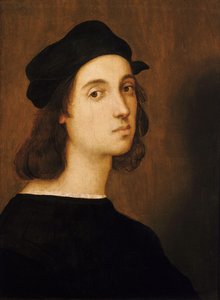
Rafael
1483 - 1520 , Italien
Snabbfakta
- Artistic Movement Or Style: Högrenässans
- Artists Or Movements Influenced By This Artist: ['Neoklassicism']
- Artists Who Influenced This Artist:
- Leonardo da Vinci
- Michelangelo
- Date Of Birth: 1483
- Date Of Death: 1520
- Full Name: Raffaello Sanzio da Urbino
- Nationality: Italiensk
- Notable Artworks:
- Skolmästarnas skola
- Sixtinska madonnan
- Place Of Birth (City And Country): Urbino, Italien
Relaterade artiklar

The Renaissance Masters: A Comparative Study of Leonardo, Michelangelo, and Raphael
Explore the profound technical and philosophical differences between Leonardo, Michelangelo, and Raphael. A deep dive into High Renaissance mastery, from sfumato to anatomical precision, designed for art students and scholars seeking academic depth.




![Stanze Vaticane - Utdrivningen av Heliodorus från templet (detalj) [02]](/media/artworks/images-thumb/3a/23/3a2308b63b60b5cb105575e135028d92.jpg)

