


 Förhandsvisa
 Skicka
 Dela
Dela
 Visa detaljer

 Ladda ner
 Liknande objekt
 Röntgen
 Bildspel
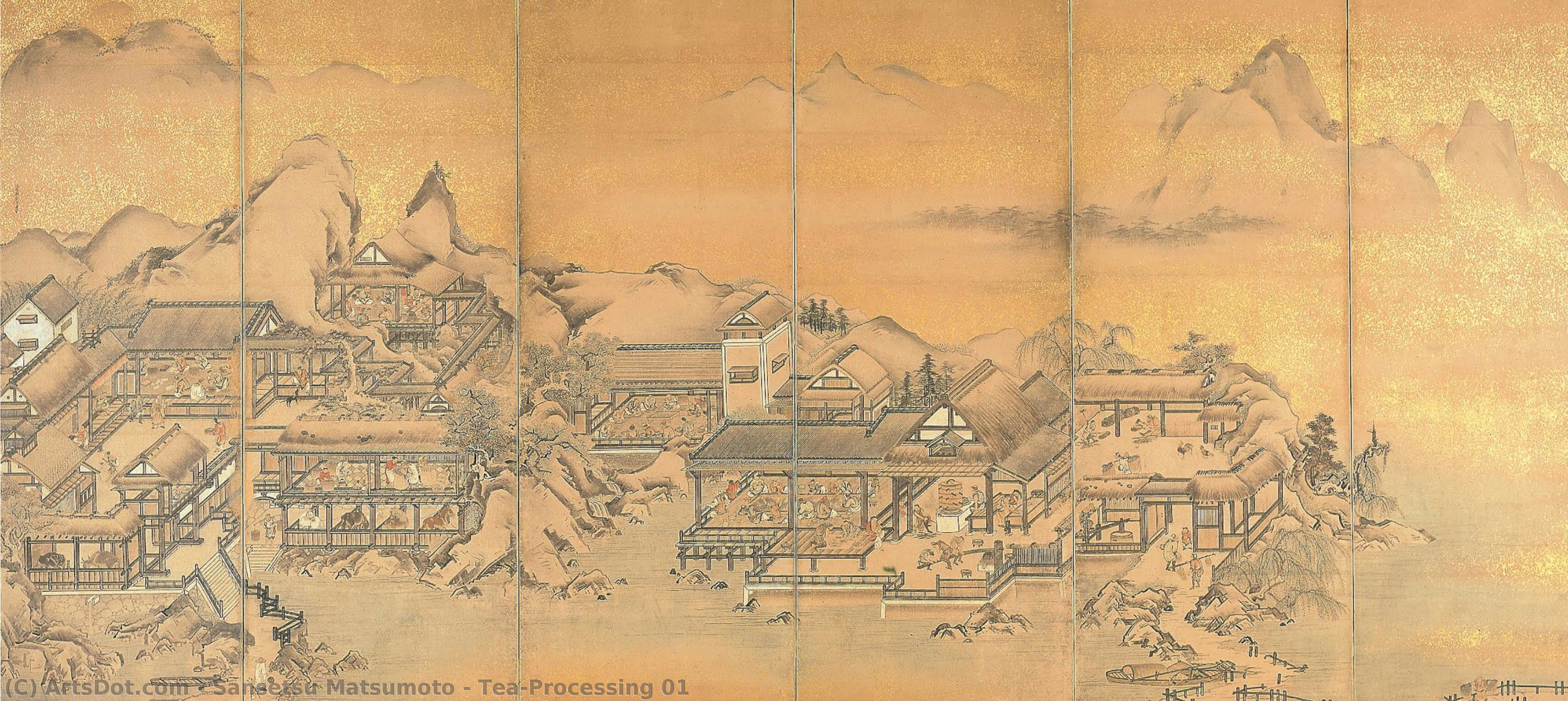
Tea-Processing 01
 161.0 x 360.0 cm
 Visa mer
Handgjord oljereproduktion
Handmålad olja på duk i din valda storlek och ram, tillverkad efter beställning av våra konstnärer. ( Beställ tryck Köp högupplöst bild)




































Välj bland våra förinställda storlekar som motsvarar konstverkets ursprungliga proportioner.

Du kan ange egna mått för att passa en specifik ram eller yta. Om den valda storleken inte matchar originalbildens proportioner kommer vi antingen att beskära konstverket eller utöka målningen med ytterligare handmålade element. En digital skiss skickas till dig för godkännande innan produktionen påbörjas.
Observera att förhandsvisningen på skärmen inte återspeglar den faktiska beskärningen eller utökningen. Endast skissen visar den slutgiltiga kompositionen korrekt.
Även om anpassade storlekar är möjliga, rekommenderar vi att du väljer en dimension från den fördefinierade listan för att bevara originalproportionerna.
Efter beställning kommer AllPaintingsStore.com team att mejla kunden för instruktioner och tillhandahålla en skissförhandsvisning
Leverans över hela världen () på 3–4 veckor istället för standard 5 veckor. (20 augusti). Inga kompromisser med kvaliteten.

Fri expressfrakt över hela världen

Högkvalitativ linnecanvas

Fullständig fraktförsäkring

Garantier för återbetalning av tullavgifter

Garantier för exakt färgåtergivning

60 dagars returrätt (endast vid fabrikationsfel)

100% pengarna tillbaka-garanti

Mängdrabatt erbjuds
 Glasalternativet är endast tillgängligt i storlekar under 110 cm.

Tea-Processing 01
Reproduktionsmedium
Storlek på reproduktion
-


Slutgiltigt pris
$ 258
Liknande konstverk


Konstnärsbiografi
Sansetsu Matsumoto: Harmony Between Man and Nature in Edo Period Ink Paintings
Sansetsu Matsumoto (松本人左衛門), born around 1589 and died in Kyoto in 1651, stands as a pivotal figure within the artistic landscape of Japan’s Edo period—a time marked by social stability under Tokugawa rule and an unparalleled flourishing of cultural expression. Though biographical details remain somewhat sparse due to the limitations of historical records, Matsumoto's legacy rests firmly upon his mastery of *sumō* (墨画), specifically landscapes rendered in monochrome ink wash technique, which cemented his reputation as one of Kyoto’s most esteemed court painters. His work embodies a profound aesthetic sensibility rooted in Zen Buddhism and Confucian ideals—a dedication to capturing the essence of nature not merely as an object of observation but as a conduit for spiritual contemplation.- Early Life and Training: Matsumoto's origins are shrouded in obscurity, with scant documentation regarding his family lineage or formative years. However, he emerged from Kyoto’s artistic milieu—a tradition steeped in meticulous craftsmanship and philosophical depth—where he honed his skills under the tutelage of influential masters like Kobori Fumio (後藤藤三郎), a renowned landscape architect who championed the principles of *wabi-sabi* (侘寂)—the beauty of imperfection and transience. This training instilled within Matsumoto a deep appreciation for simplicity, asymmetry, and the subtle nuances of natural phenomena.
- Service to Iyo Matsuyama Han: Matsumoto’s artistic career gained considerable prominence through his service as a court painter for Iyo Matsuyama han (伊予松山藩), a feudal domain governed by Tokugawa Yoshimune. During this period, he produced a prolific body of work—primarily landscapes—that served both decorative and propagandistic purposes. These paintings skillfully conveyed the grandeur of the han’s territory while simultaneously reflecting the Confucian emphasis on benevolent governance and harmonious relations between ruler and subject.
- Notable Landscapes: Among Matsumoto's celebrated works are depictions of Mount Yoshino (吉野山), a sacred site revered for its cherry blossoms, and landscapes surrounding Kyoto’s Kamigamo Shrine (貴神神社). These paintings exemplify his ability to convey not just visual information but also emotional resonance—a palpable sense of tranquility and reverence for the natural world. The meticulous detail with which Matsumoto rendered individual trees, rocks, and ripples on water speaks volumes about his dedication to artistic precision.
- Influence and Legacy: Matsumoto’s influence extended far beyond his immediate contemporaries, shaping the trajectory of Edo period landscape painting and establishing a benchmark for aesthetic excellence. His unwavering adherence to *wabi-sabi* principles—the acceptance of imperfection as inherent beauty—became a cornerstone of Japanese artistic philosophy. Subsequent generations of painters drew inspiration from Matsumoto's masterful technique and profound contemplative spirit, ensuring that his legacy endured throughout the centuries.

sansetsu matsumoto
1676 - , Japan
Kortfakta
- Artistic Movement Or Style: Edo Period
- Full Name: sansetsu matsumoto
- Nationality: Japanese
- Notable Artworks: ['Tea-Processing 01']
- Place Of Birth: Japan


