


 Visa i rummet
 Skicka
 Dela
Dela
 Detaljer
 Guide
Guide

 Ladda ner
 Liknande objekt
 Röntgen
 Bildspel
 Besökstatistik
Actors from the right, Bando Jutaro I, Arashi Horoku IV, Iwai Hanshiro V and Matsumoto Koshiro V
 Woodblock Print
- Ukiyo-e
 1821
1821- 19th Century
 38.0 x 104.0 cm
 Bujalance Collection
 Läs mer
Handgjord oljereproduktion
Handmålad olja på duk i din valda storlek och ram, tillverkad efter beställning av våra konstnärer. ( Byt till tryckta exemplar Byt till digital bildförsäljning)




P118B $10

P118H $10

P118W $10

P438Z $10

P508JH $12

P508YH $12

P805H $10

P805Z $10

P919BZ $10

P919G $10

P919XJ $10

P959ZH $10

P968JZ $12

W106C $8

W218G $10

W218JH $8

W218Y $10

W307PJ $10

W316G $10

W316PJ $8

W316Y $10

W398PJ $8

W4111J $10

W500HY $15

W500JH $15

W692G $12

W849H $8

W940BG $15

W953PJ $8




Välj bland våra förinställda storlekar som motsvarar konstverkets ursprungliga proportioner.

Du kan ange egna mått för att passa en specifik ram eller yta. Om den valda storleken inte matchar originalbildens proportioner kommer vi antingen att beskära konstverket eller utöka målningen med ytterligare handmålade element. En digital skiss skickas till dig för godkännande innan produktionen påbörjas.
Observera att förhandsvisningen på skärmen inte återspeglar den faktiska beskärningen eller utökningen. Endast skissen visar den slutgiltiga kompositionen korrekt.
Även om anpassade storlekar är möjliga, rekommenderar vi att du väljer en dimension från den fördefinierade listan för att bevara originalproportionerna.
Efter beställning kommer AllPaintingsStore.com team att mejla kunden för instruktioner och tillhandahålla en skissförhandsvisning
Leverans över hela världen () på 3–4 veckor istället för standard 5 veckor. (21 september). Inga kompromisser med kvaliteten.

Fri expressfrakt över hela världen

Högkvalitativ linnecanvas

Fullständig fraktförsäkring

Garantier för återbetalning av tullavgifter

Garantier för exakt färgåtergivning

100 dagars returrätt vid fabrikationsfel

100% pengarna tillbaka-garanti

Mängdrabatt erbjuds
 Glasalternativet är endast tillgängligt i storlekar under 110 cm.

Actors from the right, Bando Jutaro I, Arashi Horoku IV, Iwai Hanshiro V and Matsumoto Koshiro V
Tryckteknik
Reproduktionsstorlek
-


Totalpris
$ 258
Liknande konstverk




Om konstnären
Shunkōsai Hokushū: The Osaka Style’s Quiet Maestro
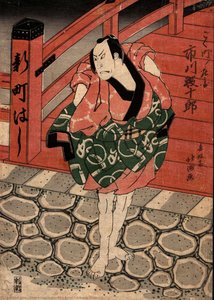
Shunkōsai Hokuchō (春曙斎 北頂), born around 1802 in Osaka, Japan, stands as a fascinating figure within the vibrant tapestry of Edo-period art history. Though overshadowed by contemporaries like Hokusai and Hiroshige—whose flamboyant landscapes captivated audiences—Hokuchō carved out a distinctive niche as a producer of *kabuki* actor prints, establishing what is now known as the Osaka style (*kamigata-e*) and leaving an indelible mark on Japanese visual culture. His legacy resides not in grand spectacle but in meticulous detail and a profound understanding of theatrical performance.- Early Life & Training: Hokuchō’s formative years were spent under the tutelage of Shunkōsai Hambei, a respected Osaka artist who instilled in him foundational skills in woodblock printing and design. While Hambei's influence is undeniable, scholarly debate persists regarding whether Hokuchō also studied with Hokusai himself—a connection that would have undoubtedly broadened his artistic horizons.
- The Osaka Style Emerges: Unlike the Edo-period’s dominant trend of producing prints in Tokyo, Hokuchō remained firmly rooted in Osaka. This geographical location fostered a unique aesthetic sensibility characterized by subdued palettes – predominantly yellows—and an unwavering focus on capturing the essence of *kabuki* actors onstage. The Osaka style prioritized conveying emotion and immediacy rather than striving for idealized representations.
- Collaborations & Patronage: Hokuchō’s artistic endeavors flourished thanks to fruitful collaborations with skilled woodblock carvers like Kasuke, one of Osaka's most celebrated artisans. These partnerships ensured the highest quality prints were produced, reflecting Hokuchō’s commitment to excellence and securing his place within Osaka’s artistic elite.
Notable Works & Artistic Technique
Hokuchō’s oeuvre is relatively modest compared to other prominent artists of his time—approximately 30 prints survive—yet each piece exemplifies the hallmarks of the Osaka style. His prints depict iconic *kabuki* performers, meticulously rendered with remarkable accuracy and sensitivity. Hokuchō skillfully employed a technique known as *tsukuri-e*, which involved carving the woodblock surface in multiple stages to achieve nuanced tonal variations – crucial for conveying the dramatic lighting effects prevalent in *kabuki* theaters. The deliberate use of yellow backgrounds served not merely as decorative element but as a symbolic representation of Osaka’s cultural identity.- Iconic Portraits: Among Hokuchō's most celebrated works are portraits of Ichikawa Ebijūrō I and Nakamura Utaemon II—performances that cemented his reputation for capturing the psychological depth of theatrical actors. These prints demonstrate Hokuchō’s ability to convey emotion through subtle facial expressions and posture.
- Osaka’s Artistic Landscape: Hokuchō's artistic output reflects Osaka’s position as a center of theatrical culture during the early 19th century. Unlike Tokyo-based artists who often catered to aristocratic tastes, Hokuchō focused on producing prints for amateur enthusiasts—a practice that ensured his work resonated deeply with the populace.
Legacy & Historical Significance
Shunkōsai Hokuchō’s contribution to Japanese art history extends beyond merely documenting theatrical performances. He established a distinct artistic tradition (*kamigata-e*) that continues to inspire artists today—a testament to his unwavering dedication to craftsmanship and aesthetic innovation. While Hokuchō may not command the same level of fame as Hokusai or Hiroshige, his quiet mastery of *tsukuri-e* and his profound understanding of theatrical emotion solidified his place as a pivotal figure in Osaka’s artistic heritage. His prints serve as invaluable windows into the cultural landscape of Edo Japan, offering insights into the passions and sensibilities of a bygone era.
shunkōsai hokushū
1832 , Japan
Snabbfakta
- Artistic Movement Or Style: Kamigata-e
- Artists Or Movements Influenced By This Artist: ['Kabuki']
- Artists Who Influenced This Artist: ['Shōkōsai Hambei']
- Date Of Death: 1832
- Full Name: Shunkōsai Hokushū
- Nationality: Japanese
- Notable Artworks:
- Actor Ichikawa Ebijuro I
- Actor Nakamura Utemon II
- Place Of Birth: Osaka, Japan
Relaterade artiklar
Serenity on Canvas: A Guide to the Timeless Beauty of Japanese Landscape Painting
Discover the serene beauty of Japanese landscape painting. From Hokusai's iconic woodblock prints to meditative sumi-e ink washes, explore a visual journey through the 'floating world' and learn how to bring this timeless Zen aesthetic into your modern home decor.

Katsushika Hokusais 25 Mästerverk: Ukiyo-e Konst & Heminredning | AllPaintingsStore
Utforska Katsushika Hokusais 25 mest ikoniska ukiyo-e konstverk. Lär känna historien bakom 'The Great Wave' och andra mästerverk från japansk konst. Köp högkvalitativa reproduktioner & inred med tidlös skönhet på AllPaintingsStore.com.

Tōshūsai Sharaku: A Fleeting Glimpse into Edo Period Kabuki – Life, Art, and the Enigma of a Ukiyo-e Master
Explore the captivating world of Tōshūsai Sharaku, the enigmatic Edo period ukiyo-e master. Discover his iconic Kabuki actor portraits and unravel the mystery behind this fleeting artistic genius. Learn about his unique style & lasting legacy.

Floating World: The Captivating Art and Legacy of Japanese Ukiyo-e
Explore the profound beauty of Japanese Ukiyo-e. Discover the history, masters like Hokusai, and the enduring legacy of the 'Floating World' through an expert art-historical lens.

Ukiyo-e: The Art of the Floating World and the Legacy of Japanese Woodblock Masters
Explore the profound history of Ukiyo-e, from Hokusai's iconic waves to the vibrant culture of Edo Japan. Discover the intricate craft of woodblock printing and the enduring legacy of these Japanese masterpieces through our expert art history guide.

